


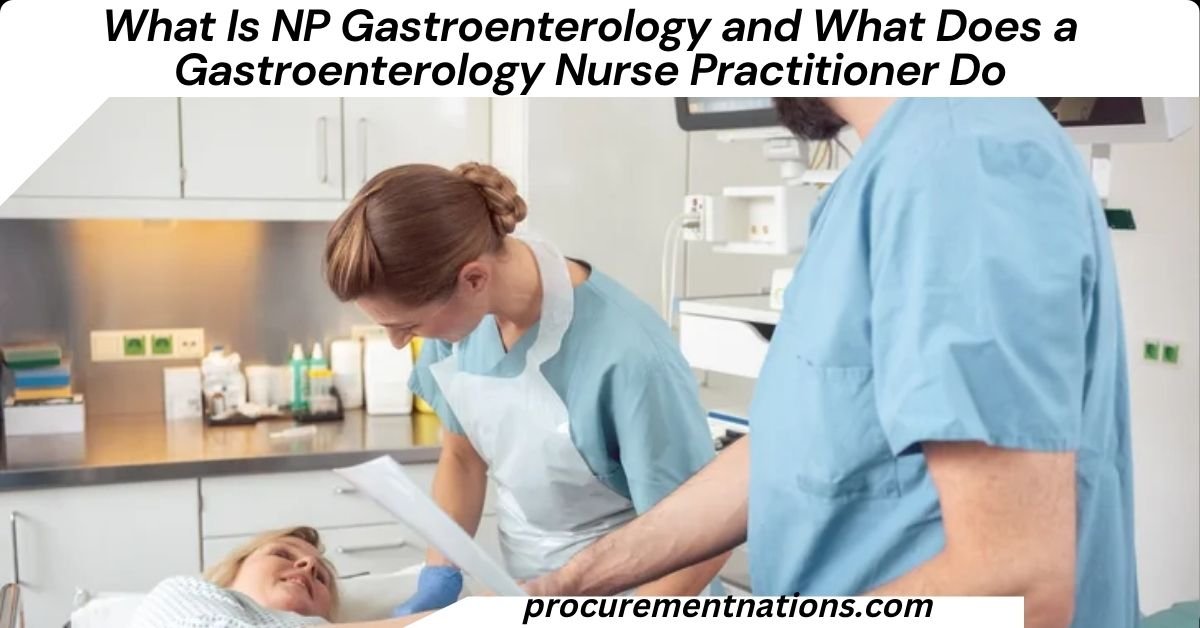
07 Sep What Is NP Gastroenterology and What Does a Gastroenterology Nurse Practitioner Do?
If you have searched for “NP gastroenterology,” you may be wondering what an NP is, what a gastroenterology nurse practitioner does, whether an NP can diagnose digestive problems, and when you should see one instead of a gastroenterologist.
NP gastroenterology usually refers to a nurse practitioner who specializes in gastroenterology and hepatology. These advanced practice clinicians can evaluate patients, take medical histories, perform physical examinations, order and interpret appropriate tests, develop treatment plans, prescribe medications within the scope of their state license, provide education, monitor chronic digestive conditions, and work closely with gastroenterologists and other healthcare professionals.
Gastroenterology is a broad specialty. It covers the digestive system, including the esophagus, stomach, small intestine, colon, rectum, liver, gallbladder, and pancreas. A gastroenterology NP may therefore care for people with common problems such as acid reflux, constipation, diarrhea, abdominal pain, irritable bowel syndrome, and hemorrhoids, as well as more complex conditions such as inflammatory bowel disease, liver disease, gastrointestinal bleeding, and certain digestive cancers.
The role has also become more specialized. Professional gastroenterology organizations now provide dedicated education, professional resources, fellowships, and specialty certification opportunities for NPs and other advanced practice providers. In 2026, the American Gastroenterological Association has an advanced practice gastroenterology certification pathway designed to recognize experienced NPs and physician associates with specialized knowledge in adult gastroenterology and hepatology.
This guide explains NP gastroenterology in simple language and provides a practical look at what these healthcare professionals do, what conditions they manage, what happens during an appointment, how their role differs from that of a gastroenterologist, and how patients can get the most from a GI visit.
What Does NP Gastroenterology Mean?
NP gastroenterology means gastroenterology care provided by a nurse practitioner who has developed expertise in digestive health.
The abbreviation NP stands for nurse practitioner. Nurse practitioners are advanced practice registered nurses who receive graduate-level education and clinical training. Their responsibilities can include evaluating illness, managing chronic conditions, ordering diagnostic tests, prescribing medications when permitted by state law, and providing preventive care. O*NET lists gastroenterology nurse practitioner as one of the recognized NP job titles.
A gastroenterology NP focuses this advanced practice knowledge on conditions involving the digestive system.
In a typical GI practice, an NP may see patients before they meet with a gastroenterologist, provide follow-up care after a procedure, manage established digestive diseases, review laboratory and imaging results, answer patient questions, coordinate referrals, and help patients understand their treatment.
The exact duties vary by practice, training, state regulations, and the individual NP’s experience.
One important point is that “NP gastroenterology” does not necessarily mean there is a separate medical degree called a gastroenterology NP degree. Rather, it describes an NP who practices in the specialty of gastroenterology and has developed additional knowledge and experience in this field.

What Is a Gastroenterology Nurse Practitioner?
A gastroenterology nurse practitioner is an advanced practice clinician who specializes in digestive and gastrointestinal health.
The person may have an educational background such as family practice, adult-gerontology primary care, acute care, or another NP specialty and then develop additional expertise through clinical experience, continuing education, mentorship, fellowships, or specialty-focused training.
Some NPs enter gastroenterology after working in another area of medicine. Others intentionally pursue GI-focused training after completing their NP education.
This is important because gastroenterology is a large field. A new NP working in GI may need to learn about many conditions, medications, diagnostic tests, endoscopic procedures, nutrition issues, liver disorders, inflammatory diseases, and cancer screening.
Specialized training can help bridge that knowledge gap.
For example, Johns Hopkins offers a 12-month gastroenterology nurse practitioner fellowship for new NPs and practicing NPs moving into gastroenterology. Its training includes outpatient GI and hepatology, inpatient experience, educational conferences, and exposure to endoscopy.
What Does a Gastroenterology NP Do?
The daily work of a gastroenterology NP can be surprisingly broad.
Depending on the practice, an NP may:
- Take a detailed medical history
- Perform physical examinations
- Evaluate digestive symptoms
- Review previous medical records
- Order laboratory testing
- Review imaging studies
- Review endoscopy and pathology results
- Develop treatment plans
- Prescribe medications when authorized
- Monitor treatment response
- Manage chronic gastrointestinal conditions
- Provide nutrition and lifestyle education
- Discuss colon cancer screening
- Follow patients after procedures
- Communicate with gastroenterologists
- Coordinate care with primary care providers
- Triage patient calls and electronic messages
- Help determine how urgently a patient needs evaluation
- Provide preventive digestive health care
The exact responsibilities depend on the healthcare system and state scope-of-practice laws.
For example, one current gastroenterology NP position at UC San Diego Health describes responsibilities including comprehensive histories and physical examinations, ordering and reviewing diagnostic tests, creating care plans, coordinating with gastroenterology and advanced endoscopy teams, and triaging referrals and patient communications.
This shows why an NP can be an important part of a modern GI care team.
Is a Gastroenterology NP a Doctor?
No. A nurse practitioner and a physician are different types of healthcare professionals.
A gastroenterologist is a medical doctor who has completed medical school, residency training, and specialized fellowship training in gastroenterology.
A nurse practitioner is an advanced practice nurse with graduate-level nursing education and clinical training.
Also Read: Gastroenterology Procedures: A Complete Guide to Common GI Tests and Treatments
However, saying that an NP is not a physician does not mean an NP cannot provide substantial medical care.
Many NPs independently evaluate and manage patients within their legal scope of practice, while others work under collaborative or team-based models. State laws differ, so the level of independent practice varies across the United States.
The best way to think about the relationship is that NPs and gastroenterologists can have different educational pathways and responsibilities while working together to provide patient care.
For complicated cases, procedures, unusual test results, severe illness, or situations outside an NP’s scope or experience, the NP may involve or refer the patient to a gastroenterologist.
Can an NP Diagnose Gastrointestinal Problems?
Yes, a qualified NP can evaluate symptoms and diagnose many gastrointestinal conditions within the scope of their education, training, and state practice authority.
For example, an NP may evaluate a patient with:
- Heartburn
- Reflux
- Constipation
- Diarrhea
- Abdominal pain
- Bloating
- Nausea
- Vomiting
- Difficulty swallowing
- Rectal bleeding
- Changes in bowel habits
The diagnosis may be based on the patient’s symptoms, medical history, physical examination, laboratory tests, imaging, stool studies, or other diagnostic information.
Some conditions require additional testing before a diagnosis can be confirmed.
For example, persistent difficulty swallowing may require an upper endoscopy or other specialized evaluation. Rectal bleeding may require examination and possibly colonoscopy depending on the patient’s age, symptoms, risk factors, and previous screening.
A good GI evaluation is therefore not simply about naming a condition. It is about identifying the most likely cause while also considering serious conditions that need to be ruled out.
Conditions Commonly Managed by Gastroenterology NPs
Gastroenterology NPs may treat or monitor a wide range of digestive conditions.
Gastroesophageal Reflux Disease
Gastroesophageal reflux disease, commonly called GERD, occurs when stomach contents repeatedly flow backward into the esophagus.
Common symptoms include:
- Heartburn
- Acid taste in the mouth
- Regurgitation
- Chest or upper abdominal discomfort
- Symptoms after meals
- Nighttime symptoms
An NP may review symptoms, discuss lifestyle measures, evaluate medication use, and determine whether additional testing or referral is appropriate.
Persistent symptoms should not automatically be assumed to be simple heartburn because other conditions can produce similar symptoms.
Irritable Bowel Syndrome
Irritable bowel syndrome, or IBS, is a common disorder involving abdominal symptoms and changes in bowel habits.
Some people mainly experience constipation. Others experience diarrhea, while some alternate between the two.
An NP may help patients identify symptom patterns, review dietary triggers, discuss medications, evaluate warning signs, and coordinate further testing when necessary.
The important point is that IBS should not simply be diagnosed because someone has stomach pain and irregular bowel movements. Other conditions may produce similar symptoms, so a careful assessment is important.
Constipation
Constipation can be caused by diet, dehydration, medications, changes in activity, underlying medical conditions, or problems with bowel function.
A gastroenterology NP may ask about:
- Stool frequency
- Stool consistency
- Straining
- Incomplete evacuation
- Abdominal discomfort
- Medication use
- Dietary habits
- Water intake
- Previous treatments
Treatment may include lifestyle changes, fiber, fluids, medications, or additional testing depending on the situation.
Diarrhea
Diarrhea can be temporary or chronic.
Short-term diarrhea is often related to infections or dietary causes. Chronic diarrhea can have many causes, including IBS, inflammatory bowel disease, medication effects, infections, malabsorption, and other gastrointestinal disorders.
A GI NP can help determine how much investigation is needed.
Testing may include blood work, stool studies, imaging, or endoscopy depending on symptoms and risk factors.
Inflammatory Bowel Disease
Inflammatory bowel disease includes Crohn’s disease and ulcerative colitis.
These are chronic inflammatory conditions that may require long-term monitoring.
An NP working in an IBD program may help monitor symptoms, laboratory markers, medication effectiveness, side effects, nutritional concerns, and disease activity.
Specialized NP-led models are increasingly being explored. For example, research presented at the American College of Gastroenterology’s 2025 meeting examined an NP-led rapid-access clinic for inflammatory bowel disease.
This illustrates an important trend: NPs are increasingly involved not only in routine follow-up but also in structured specialty-care programs.
Peptic Ulcer Disease
Peptic ulcers are sores that develop in the stomach or the first part of the small intestine.
Potential causes include Helicobacter pylori infection and certain medications, particularly some nonsteroidal anti-inflammatory drugs.
An NP may evaluate symptoms, review medication use, arrange testing, and manage treatment or refer the patient when more advanced evaluation is necessary.
H. Pylori Infection
Helicobacter pylori, often called H. pylori, is a bacterial infection associated with certain stomach conditions, including peptic ulcer disease.
An NP may order or interpret appropriate testing, prescribe treatment when indicated, and arrange follow-up testing when necessary.
Patients should take prescribed treatment exactly as directed because incomplete treatment can contribute to treatment failure.
Liver Conditions
Gastroenterology often overlaps with hepatology, the medical specialty focused on the liver.
A GI NP may participate in care for patients with:
- Fatty liver disease
- Abnormal liver enzymes
- Viral hepatitis
- Cirrhosis
- Liver fibrosis
- Alcohol-related liver disease
- Metabolic liver conditions
Liver care can require long-term monitoring and coordination among multiple specialists.
Gallbladder and Pancreatic Disorders
Some gastroenterology NPs evaluate patients with symptoms related to the gallbladder or pancreas.
Examples include:
- Gallstones
- Pancreatitis
- Abnormal pancreatic imaging
- Biliary problems
- Certain pancreatic cysts
Complex cases may require gastroenterologists with advanced endoscopy expertise, surgeons, radiologists, or other specialists.
Can a Gastroenterology NP Perform a Colonoscopy?
This is one of the most common questions about NP gastroenterology.
The answer depends on the individual clinician’s training, certification, privileges, state rules, and the healthcare facility.
Not every gastroenterology NP performs endoscopic procedures.
Many GI NPs focus on clinic-based care, patient assessment, disease management, pre-procedure evaluation, post-procedure follow-up, education, and care coordination.
Some may have additional procedural responsibilities, but it should never be assumed that every NP can perform colonoscopy or upper endoscopy.
Specialty training programs may provide exposure to endoscopy without training the NP to independently perform the procedure. For example, the Johns Hopkins GI NP fellowship includes endoscopy procedural exposure while explicitly stating that fellows are not trained to perform endoscopy.
This distinction is useful when patients are deciding which type of appointment to schedule.
What Happens During an NP Gastroenterology Appointment?
A first visit with a gastroenterology NP usually begins with a detailed conversation.
You may be asked:
- What symptoms are you experiencing?
- When did they start?
- Are symptoms getting better or worse?
- What makes them better?
- What makes them worse?
- How often do they happen?
- What medications do you take?
- Have you had previous GI tests?
- Do digestive diseases run in your family?
- Have you noticed weight loss?
- Have your bowel habits changed?
- Have you noticed blood in your stool?
- Have you had previous surgery?
- What foods seem to affect your symptoms?
The NP may then perform a physical examination.
Depending on the situation, the clinician may recommend blood tests, stool tests, imaging, endoscopy, colonoscopy, or another diagnostic procedure.
Not everyone with digestive symptoms needs every test.
One of the most valuable parts of a good GI evaluation is deciding what information is actually needed.
What Should You Bring to an NP Gastroenterology Appointment?
Preparation can make your appointment much more useful.
Consider bringing:
- A list of current medications
- Medication doses
- Supplements and vitamins
- Previous GI test results
- Imaging reports
- Previous colonoscopy reports
- Endoscopy reports
- Pathology results
- A list of allergies
- Family medical history
- A short timeline of your symptoms
It can also help to keep a symptom diary for several days before your visit.
Write down what you eat, when symptoms occur, bowel movements, stool changes, pain, medications, and other important changes.
You do not need to create a complicated medical report. Simple notes can help the clinician see patterns.
What Questions Should You Ask a Gastroenterology NP?
Patients sometimes leave medical appointments without asking the questions that matter most.
Useful questions include:
- What is the most likely cause of my symptoms?
- What other conditions should we rule out?
- Do I need blood or stool testing?
- Do I need an endoscopy or colonoscopy?
- What should I change in my diet?
- How long should I try this treatment?
- What side effects should I watch for?
- When should I follow up?
- What symptoms mean I should seek urgent care?
- Should I also see a gastroenterologist?
Asking these questions can help you understand your care plan rather than simply receiving a list of medications or tests.
Also Read: What Does a Physician Assistant Gastroenterology Specialist Do
NP Gastroenterology vs Gastroenterologist
The two roles overlap but are not identical.
A gastroenterologist is a physician specializing in diseases of the digestive system.
A gastroenterology NP is an advanced practice nurse specializing in GI care.
Both may evaluate symptoms, manage chronic diseases, order tests, review results, and educate patients.
A gastroenterologist generally has extensive physician specialty training and can perform advanced procedures depending on their training and practice.
An NP may provide much of the ongoing clinical care and collaborate with the physician when more specialized evaluation is required.
The strongest model is often not about choosing one professional over another. It is about having the right clinician involved at the right time.
When Should You See a Gastroenterology NP?
A GI NP can be a good option for many situations, including:
- Ongoing reflux symptoms
- Constipation
- Chronic diarrhea
- IBS
- Routine follow-up
- Medication monitoring
- Abnormal liver tests
- H. pylori treatment follow-up
- Colon cancer screening discussions
- Follow-up after colonoscopy
- Follow-up after endoscopy
- Stable inflammatory bowel disease
- Nutrition-related digestive concerns
Your primary care clinician may also refer you directly to a gastroenterology NP.
In many practices, the NP can determine whether a physician gastroenterologist or advanced specialist needs to become involved.
When Should You See a Gastroenterologist Directly?
A gastroenterologist may be particularly important when the situation is complex, severe, unusual, or requires advanced procedures.
Examples can include:
- Significant gastrointestinal bleeding
- Severe or unexplained anemia
- Suspected gastrointestinal cancer
- Complicated inflammatory bowel disease
- Severe liver disease
- Complex pancreatic disease
- Complicated biliary disorders
- Difficult swallowing
- Persistent unexplained weight loss
- Abnormal imaging requiring advanced evaluation
- Conditions requiring specialized endoscopy
This does not mean an NP cannot participate in these cases.
In fact, NPs often remain an important part of the care team even when a gastroenterologist takes the lead.
The Growing Role of NPs in Gastroenterology
One of the clearest trends in modern GI care is the increasing professional development available to advanced practice providers.
The American Gastroenterological Association has created resources specifically for nurse practitioners and physician associates working in gastroenterology and hepatology. It also offers a voluntary advanced practice gastroenterology certification pathway.
The certification is not required to practice gastroenterology and does not replace a state license. Instead, it is intended to recognize advanced knowledge and clinical experience among experienced NPs and PAs. Current eligibility requirements include an active U.S. license, national certification, and at least 3,000 hours of direct adult GI or hepatology clinical practice during the preceding 36 months.
This development reflects a broader change in healthcare.
As digestive disease becomes increasingly complex, healthcare systems need clinicians who can provide specialized care while improving access and continuity.
Why Gastroenterology NPs Can Improve Access to Care
Getting a gastroenterology appointment can sometimes take time.
A well-designed team can increase access by allowing NPs to manage appropriate patients while gastroenterologists focus on highly complex cases and procedures.
This can create a more efficient system.
For example, a patient with uncomplicated chronic constipation may not need an appointment with a physician who specializes in advanced endoscopy.
An experienced GI NP may be able to evaluate the patient, order appropriate tests, start treatment, and determine whether further physician evaluation is needed.
At the same time, a patient with severe bleeding or a complicated pancreatic disorder may need rapid physician involvement.
The practical insight is that good healthcare does not require every patient to see the same type of clinician.
It requires the patient to receive the appropriate level of expertise at the appropriate time.
How NP Gastroenterology Supports Chronic Disease Management
Digestive conditions often require more than one appointment.
Patients with chronic GI conditions may need repeated testing, medication adjustments, symptom monitoring, lifestyle changes, and education.
This is an area where NPs can be especially valuable.
An NP may spend time reviewing how a treatment is working, explaining medication instructions, identifying side effects, discussing diet, and helping patients understand their disease.
That continuity can make chronic care easier for patients.
A good long-term relationship also allows clinicians to notice changes that may not be obvious during a single appointment.
NP Gastroenterology and Colon Cancer Screening
Colon cancer screening is another important area of GI care.
A gastroenterology NP may discuss a patient’s age, medical history, family history, previous screening, and risk factors.
Depending on those factors, the patient may be offered an appropriate screening strategy.
Colonoscopy is one established screening method, but it is not the only screening approach available.
The important point is that screening decisions should be individualized.
If a patient has symptoms such as unexplained rectal bleeding, unexplained iron-deficiency anemia, or concerning changes in bowel habits, the situation may be different from routine screening.
Screening and diagnostic evaluation should not be confused.
What Makes a Good Gastroenterology NP?
Credentials matter, but they are only one part of good care.
A strong GI NP should have a solid clinical foundation and understand when a patient’s situation is beyond their expertise.
Important qualities include:
- Strong communication
- Careful listening
- Clinical reasoning
- Knowledge of digestive diseases
- Appropriate use of diagnostic tests
- Medication knowledge
- Understanding of preventive care
- Good documentation
- Collaboration
- Willingness to consult specialists
- Respect for patient concerns
- Continuing education
The best clinician is not necessarily the person who orders the most tests.
It is often the person who asks the right questions, identifies the most important possibilities, avoids unnecessary testing, and knows when additional expertise is needed.
How GI NPs Continue Their Education
Gastroenterology changes constantly.
New medications, diagnostic technologies, clinical guidelines, screening strategies, and disease-management approaches continue to develop.
Professional organizations provide opportunities for NPs to stay current.
The American College of Gastroenterology maintains an advanced practice provider program with educational opportunities, awards, scholarships, and other professional resources.
The ACG also lists dedicated GI fellowship programs for nurse practitioners and physician associates, including programs connected with major academic medical centers.
This continuing education is important because specialty knowledge cannot be treated as something that ends after graduate school.
How to Find an NP Gastroenterology Provider
If you are looking for an NP gastroenterology provider, begin with your insurance company’s provider directory or the website of a local hospital or GI practice.
Look for terms such as:
- Gastroenterology nurse practitioner
- GI nurse practitioner
- Gastroenterology NP
- Hepatology nurse practitioner
- Advanced practice provider
- GI APRN
- NP gastroenterology clinic
You can also ask the practice whether the NP has specialized experience in the condition you need help with.
For example, someone with inflammatory bowel disease may benefit from a clinician who frequently works with IBD patients.
A person with chronic liver disease may want a provider with hepatology experience.
Someone being evaluated for an advanced endoscopic procedure may need a practice with an advanced endoscopy team.
What Insurance Questions Should You Ask?
Insurance rules vary widely in the United States.
Before your appointment, you may want to ask:
- Is the NP in my insurance network?
- Do I need a referral?
- Is the GI practice in network?
- Are laboratory tests covered?
- Are imaging studies covered?
- Will I need separate authorization for endoscopy?
- Does my insurance require a specific facility?
These questions can prevent unexpected bills.
It is also helpful to ask the practice about the billing process before undergoing a procedure.
Is Seeing an NP Cheaper Than Seeing a Gastroenterologist?
Not necessarily.
Healthcare costs depend on insurance, location, practice type, services performed, testing, procedures, deductibles, copayments, and many other factors.
An NP appointment may have a different billing structure from a physician appointment, but patients should not assume that one type of visit will always cost less.
The most important financial question is whether the provider and facility are covered by your insurance and what services are planned.
What Are the Benefits of Seeing a Gastroenterology NP?
There are several potential advantages.
First, NPs can improve access to specialty care.
Second, they can provide continuity for patients with chronic digestive conditions.
Third, they may have more time for education and symptom management in some practice settings.
Fourth, they can work closely with gastroenterologists and other members of the healthcare team.
Fifth, they can help patients navigate complicated healthcare systems.
The value is not simply that an NP can see more patients.
The deeper value is that a well-integrated NP can help create a more coordinated patient experience.
Are There Limitations to NP Gastroenterology?
Yes.
No clinician should be expected to manage every possible medical problem independently.
The limits of NP practice vary by state, professional credentials, employer policies, and individual training.
An NP may also have a particular area of expertise rather than being an expert in every aspect of gastroenterology.
For example, an NP may have extensive experience with inflammatory bowel disease but limited experience with advanced pancreatic disorders.
Patients should feel comfortable asking about a clinician’s experience.
A high-quality clinician should also be comfortable saying, “This needs another specialist.”
That is a strength, not a weakness.
When Digestive Symptoms Need Urgent Medical Attention
Some digestive symptoms should not wait for a routine appointment.
Seek urgent medical evaluation for symptoms such as:
- Severe or rapidly worsening abdominal pain
- Vomiting blood
- Significant rectal bleeding
- Black, tarry stools
- Fainting associated with bleeding
- Severe dehydration
- Persistent vomiting with inability to keep fluids down
- Severe chest pain
- Confusion or extreme weakness
- Sudden severe abdominal symptoms
These symptoms can sometimes signal a serious or emergency condition.
A routine NP gastroenterology appointment is not a substitute for emergency care when severe symptoms are present.
The Future of NP Gastroenterology
The future of NP gastroenterology is likely to involve even greater specialization.
As healthcare systems manage growing numbers of patients with chronic digestive diseases, advanced practice providers can help expand specialty access.
We are already seeing formal educational pathways, specialty fellowships, professional recognition, and certification programs designed specifically for GI-focused NPs and PAs.
Another important development is team-based care.
Instead of viewing healthcare as a simple choice between an NP and a physician, modern specialty care increasingly uses teams.
An NP may perform the initial assessment.
A gastroenterologist may handle a complex diagnostic question.
A dietitian may provide nutrition support.
A pharmacist may assist with medication management.
A nurse may provide education and follow-up.
A surgeon may become involved when an operation is necessary.
This model can be more practical than expecting one clinician to manage every aspect of a patient’s care.
How Patients Can Get Better Results From GI Care
Patients can play an active role in their digestive health.
Keep a list of your medications.
Know your family history.
Bring previous test reports when possible.
Write down important symptoms.
Ask what each test is intended to determine.
Ask how long treatment should take.
Ask what happens if treatment does not work.
Ask when you should return.
And do not be embarrassed to discuss bowel movements, rectal bleeding, gas, stool changes, or other digestive symptoms.
Gastroenterology professionals discuss these issues every day.
Accurate information helps clinicians make better decisions.
Common Misunderstandings About NP Gastroenterology
One misunderstanding is that an NP only provides basic nursing care.
That is not accurate.
Nurse practitioners are advanced practice clinicians with graduate-level education and responsibilities that can include diagnosis, treatment, medication management, and preventive care within their scope.
Another misunderstanding is that an NP should always be treated exactly like a gastroenterologist.
That is also inaccurate.
The educational pathways are different, and the scope of practice and expertise can vary.
A third misunderstanding is that seeing an NP means you will never see a physician.
In a team-based GI practice, the opposite can be true. The NP may help determine when physician involvement is necessary.
NP Gastroenterology and Patient-Centered Care
One of the most important developments in healthcare is the shift toward patient-centered care.
This means the patient is not simply given a diagnosis and prescription.
The patient should understand what is happening, why a test is being recommended, what treatment options exist, and what warning signs matter.
GI care is particularly well suited to this approach because digestive symptoms are often influenced by medications, diet, stress, lifestyle, chronic disease, and other factors.
A good gastroenterology NP can help connect these pieces.
Also Read:Is Gastro Digest Good for Everyday Digestive Support?
Frequently Asked Questions About NP Gastroenterology
Is an NP gastroenterologist the same as a gastroenterologist?
No. A gastroenterology NP is a nurse practitioner who specializes in digestive health, while a gastroenterologist is a physician specializing in gastroenterology. They may work closely together as part of the same care team.
Can a gastroenterology NP prescribe medication?
In many situations, yes. NPs may prescribe medications according to their education, credentials, state law, and practice setting. Prescribing authority differs among states and individual clinicians.
Can a gastroenterology NP order a colonoscopy?
An NP may be able to order or refer a patient for colonoscopy depending on their practice setting, credentials, and state regulations. Ordering a procedure is different from performing the procedure.
Does an NP gastroenterology appointment require a referral?
It depends on your insurance plan, state, and healthcare system. Some patients can schedule directly, while others may need a referral from a primary care provider.
Can an NP treat liver problems?
Yes. Many gastroenterology NPs also work in hepatology and can participate in the evaluation and management of liver conditions. More complex liver disease may require care from a hepatologist or gastroenterologist with advanced liver expertise.
Can an NP diagnose IBS?
A qualified NP can evaluate symptoms consistent with IBS and determine whether additional testing is appropriate. The clinician should also consider other possible causes and warning signs before settling on an IBS diagnosis.
Final Thoughts on NP Gastroenterology
NP gastroenterology has become an important part of digestive healthcare in the United States. Gastroenterology nurse practitioners can evaluate symptoms, manage many gastrointestinal conditions, order appropriate tests, prescribe medications within their scope, provide education, monitor chronic disease, and coordinate care with gastroenterologists and other specialists. The exact role depends on the NP’s training, experience, state regulations, and practice setting. Current professional developments, including dedicated GI education, fellowships, and voluntary specialty certification, show how the field continues to mature.
For patients, the most useful approach is not to focus only on whether a clinician has “NP” or “MD” after their name. Instead, consider the clinician’s specialty experience, communication, qualifications, access to appropriate testing, and ability to involve a gastroenterologist when a problem becomes more complex. For many digestive health concerns, an experienced gastroenterology NP can provide valuable, patient-centered care while working as an important member of a larger GI team.
Sorry, the comment form is closed at this time.