


03 Sep Gastroenterology Procedures: A Complete Guide to Common GI Tests and Treatments
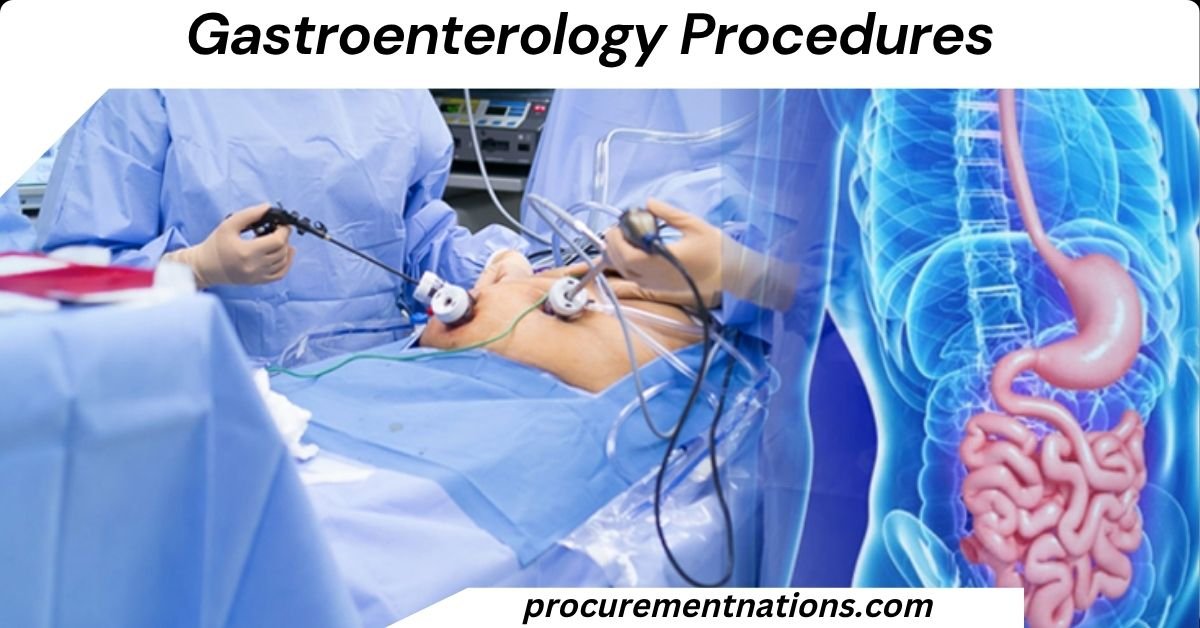
Gastroenterology procedures are medical tests and treatments used to diagnose, monitor, and manage conditions affecting the digestive system. These procedures can examine the esophagus, stomach, small intestine, colon, rectum, bile ducts, pancreatic ducts, and nearby organs.
Some gastroenterology procedures are used mainly for diagnosis. Others can diagnose a problem and treat it during the same appointment. For example, a colonoscopy can identify a colon polyp and allow the doctor to remove it. An upper endoscopy can find an abnormal area and allow a biopsy to be collected.
The right procedure depends on a person’s symptoms, medical history, age, risk factors, previous test results, and the part of the digestive system that needs to be examined.
This guide explains the most common gastroenterology procedures in simple language, including upper endoscopy, colonoscopy, flexible sigmoidoscopy, capsule endoscopy, ERCP, endoscopic ultrasound, and other important GI tests.
What Are Gastroenterology Procedures?
Gastroenterology procedures are tests or treatments performed by gastroenterologists and other appropriately trained medical professionals to evaluate or treat problems in the gastrointestinal (GI) tract and related organs.
The gastrointestinal system includes the:
- Mouth and esophagus
- Stomach
- Small intestine
- Large intestine, or colon
- Rectum and anus
Gastroenterology also involves organs and structures that support digestion, including the liver, gallbladder, bile ducts, and pancreas.
Some procedures use a flexible camera called an endoscope. Others use imaging, pressure measurements, or specialized devices.
The American Society for Gastrointestinal Endoscopy (ASGE) describes a range of procedures used for screening, diagnosis, and treatment of digestive disorders.
What Does a Gastroenterologist Do?
A gastroenterologist is a physician who specializes in diseases of the digestive system.
A gastroenterologist may evaluate symptoms such as:
- Abdominal pain
- Heartburn or acid reflux
- Difficulty swallowing
- Nausea and vomiting
- Chronic diarrhea
- Constipation
- Rectal bleeding
- Blood in the stool
- Unexplained weight loss
- Abnormal liver tests
- Changes in bowel habits
- Persistent bloating
- Anemia caused by suspected GI blood loss
A gastroenterologist may recommend medication, lifestyle changes, laboratory tests, imaging, or a gastroenterology procedure depending on the suspected cause.
When an endoscopic procedure is needed, the specialist may also take biopsies, remove polyps, stop bleeding, widen a narrowed area, or perform other treatments.
Why Are Gastroenterology Procedures Performed?
Gastroenterology procedures can have several purposes.
Diagnosis
A procedure may help identify the cause of symptoms. For example, an upper endoscopy can help evaluate persistent heartburn, vomiting, difficulty swallowing, or upper abdominal symptoms.
Screening
Some procedures are performed before a person develops symptoms. Colonoscopy is one important example because it can detect precancerous colon polyps and colorectal cancer.
For adults at average risk, the U.S. Preventive Services Task Force recommends colorectal cancer screening beginning at age 45 and continuing through age 75. Adults ages 76 to 85 may benefit from selective screening based on overall health, previous screening, and personal preferences.
Treatment
Some gastroenterology procedures are therapeutic. A doctor may remove a polyp, treat bleeding, remove a bile duct stone, or place a stent during an appropriate endoscopic procedure.
Monitoring
People with certain digestive diseases may need follow-up procedures. These can help doctors monitor inflammation, previous polyps, precancerous changes, or other conditions.
The Most Common Gastroenterology Procedures
The following procedures are among the most important gastroenterology procedures used in the United States.
1. Upper Endoscopy (EGD)
Upper endoscopy is also called esophagogastroduodenoscopy, or EGD.
It allows a doctor to examine the upper digestive tract, including the:
- Esophagus
- Stomach
- Duodenum
During an EGD, a thin, flexible endoscope with a camera and light is guided through the mouth and into the upper digestive tract. The doctor views the digestive lining on a monitor.
Why Is an Upper Endoscopy Done?
An upper endoscopy may be recommended for:
- Persistent heartburn
- Difficulty swallowing
- Upper abdominal pain
- Nausea or vomiting
- Suspected ulcers
- Upper GI bleeding
- Unexplained anemia in selected situations
- Suspected inflammation
- Certain swallowing disorders
- Evaluation of abnormal findings from other tests
An EGD can also be used to investigate abnormalities such as ulcers, inflammation, growths, or other changes.
Can an EGD Take a Biopsy?
Yes.
During an upper endoscopy, a doctor can use specialized instruments passed through the endoscope to collect a small tissue sample.
This is called a biopsy.
Biopsies can help doctors evaluate abnormal tissue and certain conditions that cannot be diagnosed from visual examination alone.
The tissue is sent to a laboratory for examination by a pathologist.
Is Upper Endoscopy Painful?
Many patients receive medication to help them relax or sleep during the procedure. The exact type of sedation varies according to the procedure, medical facility, and patient’s health.
Patients may have a mild sore throat or temporary bloating afterward.
Your healthcare team should explain the expected effects and any restrictions before the procedure.
2. Colonoscopy
Colonoscopy is one of the best-known gastroenterology procedures.
It allows a doctor to examine the lining of the rectum and entire colon using a flexible tube with a camera and light.
Why Is a Colonoscopy Done?
Colonoscopy may be used for:
- Colorectal cancer screening
- Rectal bleeding
- Blood in the stool
- Persistent changes in bowel habits
- Chronic diarrhea
- Unexplained iron-deficiency anemia in appropriate cases
- Abdominal symptoms
- Follow-up of previous colon polyps
- Evaluation of certain inflammatory bowel conditions
How Does Colonoscopy Prevent Colorectal Cancer?
One of the major advantages of colonoscopy is that doctors can often remove polyps during the examination.
Some colon polyps can eventually become cancerous. Removing appropriate precancerous polyps can therefore help prevent colorectal cancer.
This makes colonoscopy different from a test that only detects an abnormality and requires another procedure for treatment.
What Is Colonoscopy Prep?
The colon needs to be clean so the doctor can see its lining clearly.
Bowel preparation, often called colonoscopy prep, usually involves a prescribed preparation that causes frequent bowel movements. Patients may also need to change their diet before the procedure.
Following the preparation instructions carefully is important because inadequate bowel cleansing can make it harder to identify abnormalities.
When Should Colorectal Cancer Screening Begin?
For adults at average risk, the USPSTF recommends colorectal cancer screening beginning at age 45. Screening is recommended for adults ages 45 to 75, while screening from ages 76 to 85 should generally be individualized.
Colonoscopy is only one screening option. Other recommended approaches include stool-based testing and certain forms of imaging or sigmoidoscopy.
People with a family history, previous polyps, inflammatory bowel disease, or certain inherited conditions may need a different screening schedule.
3. Flexible Sigmoidoscopy
Flexible sigmoidoscopy examines the lower portion of the large intestine.
The procedure uses a flexible instrument with a camera to inspect the rectum and lower colon.
Unlike a colonoscopy, flexible sigmoidoscopy does not normally examine the entire colon.
Why Is Flexible Sigmoidoscopy Used?
It may be used to investigate:
- Rectal bleeding
- Changes in bowel habits
- Certain lower digestive symptoms
- Abnormal findings from other tests
- Some colorectal cancer screening strategies
The USPSTF lists flexible sigmoidoscopy as one possible colorectal cancer screening strategy for appropriate average-risk adults.
Colonoscopy vs. Sigmoidoscopy
The main difference is how much of the colon is examined.
A colonoscopy examines the entire colon.
A flexible sigmoidoscopy examines the rectum and lower part of the colon.
The choice depends on the clinical question, screening strategy, patient history, and physician recommendation.
4. Capsule Endoscopy
Capsule endoscopy uses a small capsule containing a camera.
The patient swallows the capsule, and it takes images as it moves through the digestive tract.
Capsule endoscopy is particularly useful for examining the small intestine, which is difficult to inspect fully with standard upper endoscopy and colonoscopy.
Why Is Capsule Endoscopy Done?
It may help investigate:
- Unexplained GI bleeding
- Certain small-intestine disorders
- Suspected Crohn’s disease
- Some small-intestinal tumors
- Abnormal findings that require additional evaluation
The small intestine contains areas that standard EGD and colonoscopy cannot completely reach, making capsule endoscopy useful in selected patients.
How Does Capsule Endoscopy Work?
The patient swallows the capsule with water.
The capsule travels naturally through the digestive system while its camera captures images. A recording device collects the images, which are later reviewed by a trained healthcare professional.
Because the capsule is designed to pass through the digestive tract naturally, there is no traditional endoscope inserted through the mouth or rectum.
Is Capsule Endoscopy the Same as a Colonoscopy?
No.
Capsule endoscopy and colonoscopy have different purposes.
Capsule endoscopy is especially useful for examining the small intestine.
Colonoscopy directly examines the colon and allows doctors to remove polyps or take tissue samples.
Capsule endoscopy generally cannot replace colonoscopy when direct examination, biopsy, or removal of a colon polyp is required.
The USPSTF also does not currently include capsule endoscopy among its recommended colorectal cancer screening strategies for average-risk adults because of limited evidence compared with established screening options.
5. ERCP
ERCP stands for endoscopic retrograde cholangiopancreatography.
It is a specialized procedure used to evaluate and treat problems involving the bile ducts and pancreatic ducts.
ERCP combines endoscopy with imaging and specialized instruments.
What Does ERCP Treat?
ERCP may be used for selected problems involving:
- Bile duct stones
- Bile duct narrowing
- Blocked bile ducts
- Certain bile duct leaks
- Some pancreatic duct problems
- Biliary obstruction
- Certain tumors or strictures
Unlike some purely diagnostic tests, modern ERCP is primarily used when treatment is expected to be needed.
What Can Happen During ERCP?
Depending on the problem, a specialist may remove a stone, open a narrowed area, or place a stent to help keep a duct open.
ASGE describes ERCP as a specialized technique involving the bile and pancreatic ducts and notes that therapeutic techniques can include stone removal and stent placement.
Is ERCP Risky?
ERCP is more complex than routine upper endoscopy or colonoscopy.
Potential complications include:
- Pancreatitis
- Bleeding
- Infection
- Perforation
- Reactions to anesthesia or medications
ASGE notes that complications can occur and that risk depends on factors such as the reason for ERCP, what treatment is performed, and the patient’s health.
Updated 2026 ASGE evidence indicates that adverse events remain an important consideration with ERCP, with post-ERCP pancreatitis being the most common major concern.
This is one reason ERCP should be performed by appropriately trained specialists in settings equipped to manage complications.
6. Endoscopic Ultrasound (EUS)
Endoscopic ultrasound combines endoscopy with ultrasound imaging.
A small ultrasound transducer is incorporated into the endoscope. This allows the doctor to obtain detailed images of the digestive tract wall and nearby organs.
EUS can provide information about structures that may not be visible from inside the digestive tract alone.
What Is EUS Used For?
Depending on the clinical situation, EUS can help evaluate:
- Pancreas
- Bile ducts
- Gallbladder
- Esophageal abnormalities
- Stomach abnormalities
- Rectal abnormalities
- Certain masses or lymph nodes
EUS can also guide a needle to collect tissue from selected abnormal areas.
This can help doctors determine whether a mass or lesion is benign, malignant, inflammatory, or otherwise abnormal.
7. Esophageal Manometry
Esophageal manometry is a test that measures pressure and muscle contractions in the esophagus.
It is different from endoscopy because it does not primarily look at the digestive tract lining.
Instead, it measures how the esophagus functions.
Why Is Esophageal Manometry Done?
It may be used when doctors need to investigate:
- Difficulty swallowing
- Suspected achalasia
- Certain esophageal motility disorders
- Abnormal movement of the esophagus
- Some persistent symptoms that remain unexplained after other testing
ASGE explains that esophageal manometry measures the strength and function of the esophagus and esophageal sphincter.
8. 24-Hour pH and Impedance Testing
Some people have persistent reflux symptoms even when routine examinations do not provide a clear answer.
A 24-hour pH or pH-impedance test measures reflux episodes over an extended period.
It can help determine whether symptoms are associated with acid or non-acid reflux.
This information can be useful when a physician is deciding whether symptoms are related to gastroesophageal reflux disease (GERD) or another condition.
9. Enteroscopy
Enteroscopy is designed to examine portions of the small intestine that cannot be reached easily with standard upper endoscopy.
Several techniques are available, including specialized deep-enteroscopy approaches.
ASGE notes that enteroscopy can visualize more of the small bowel than EGD and that deep enteroscopy can reach significantly farther into the small intestine.
What Is Enteroscopy Used For?
It may be considered for:
- Small-intestinal bleeding
- Suspected small-bowel tumors
- Abnormal findings from capsule endoscopy
- Certain inflammatory diseases
- Treatment of selected small-bowel abnormalities
Unlike capsule endoscopy, enteroscopy can allow direct treatment or tissue sampling during the procedure.
10. Percutaneous Endoscopic Gastrostomy (PEG)
A PEG procedure places a feeding tube through the abdominal wall into the stomach.
It may be used when a person cannot safely receive enough nutrition through normal eating but the digestive tract can still be used.
The decision to place a feeding tube is complex and should consider the person’s diagnosis, expected benefits, goals of care, nutritional needs, and overall health.
ASGE lists PEG among gastrointestinal procedures used for placement of a feeding tube into the stomach.
Diagnostic vs. Therapeutic Gastroenterology Procedures
A useful way to understand gastroenterology procedures is to divide them into diagnostic and therapeutic procedures.
Diagnostic GI Procedures
Diagnostic procedures are primarily intended to find or evaluate a problem.
Examples include:
- Upper endoscopy
- Colonoscopy
- Flexible sigmoidoscopy
- Capsule endoscopy
- Esophageal manometry
- pH testing
- Some forms of EUS
However, many diagnostic procedures can also include treatment.
Therapeutic GI Procedures
Therapeutic procedures are performed to treat a known or suspected problem.
Examples include:
- Polyp removal
- Treatment of GI bleeding
- ERCP with stone removal
- Stent placement
- Endoscopic removal of selected lesions
- PEG placement
Modern endoscopy has increasingly moved beyond simply looking inside the digestive tract. In appropriate cases, doctors can diagnose and treat a problem during the same procedure.
How Doctors Choose the Right Gastroenterology Procedure
There is no single best gastroenterology procedure for every patient.
Doctors generally consider several factors.
Symptoms
The location and type of symptoms provide important clues.
For example, swallowing difficulty may lead to an evaluation of the esophagus, while rectal bleeding may require evaluation of the lower GI tract.
Medical History
Previous procedures, diagnoses, surgeries, medications, and family history can change which test is appropriate.
Age and Screening Status
Age is particularly important for colorectal cancer screening.
For average-risk adults, the USPSTF recommends screening beginning at age 45.
Risk Factors
Family history of colorectal cancer, previous polyps, inflammatory bowel disease, and certain inherited conditions can affect screening and surveillance decisions.
Previous Test Results
A doctor may choose a more specialized procedure after another test produces an abnormal finding.
For example, capsule endoscopy may identify a small-bowel abnormality that later requires deep enteroscopy.
The Need for Treatment
If doctors expect to remove a polyp, stop bleeding, remove a bile duct stone, or take a biopsy, a procedure that permits direct treatment may be preferred.
What Happens Before a Gastroenterology Procedure?
Preparation depends on the procedure.
Some procedures require fasting.
Colonoscopy requires bowel cleansing.
Capsule endoscopy may require an empty stomach and specific dietary instructions.
Medication instructions can also be important.
Patients should tell their healthcare team about:
- Prescription medications
- Over-the-counter medicines
- Vitamins and supplements
- Blood thinners
- Diabetes medications
- Allergies
- Previous reactions to anesthesia or sedation
- Medical conditions
- Pregnancy or possible pregnancy when relevant
Do not stop prescription medication unless your healthcare professional tells you to do so.
What Is Sedation During GI Procedures?
Some gastroenterology procedures use sedation or anesthesia to improve comfort and allow the procedure to be performed safely.
The approach varies according to the procedure and patient’s health.
A patient may receive medication that produces relaxation and sleepiness, while some procedures may involve deeper levels of sedation or anesthesia.
Before the procedure, the healthcare team should explain what type of sedation is planned and what recovery restrictions apply.
If sedation is used, patients commonly need someone else to drive them home and may need to avoid important decisions or activities for the rest of the day.
Follow the specific instructions provided by the medical facility.
What Are the Risks of Gastroenterology Procedures?
Most commonly performed GI procedures are considered safe when performed for appropriate patients by trained professionals.
However, no medical procedure is completely risk-free.
Possible risks vary widely by procedure.
They can include:
- Bleeding
- Infection
- Perforation
- Medication reactions
- Breathing problems related to sedation
- Abdominal discomfort
- Bloating
- Injury to nearby structures
- Pancreatitis after certain procedures such as ERCP
The risk profile of a routine colonoscopy is different from that of a complex therapeutic ERCP.
For this reason, patients should ask their healthcare professional about the specific risks of the procedure being recommended.
What Happens After a Gastroenterology Procedure?
Recovery depends on the procedure and whether sedation was used.
Some people return to normal activities quickly.
Others may need more time.
After an endoscopic procedure, mild bloating, gas, throat irritation, or temporary discomfort may occur.
Your medical team should explain which symptoms are expected and which require medical attention.
Patients should seek prompt medical advice if they experience concerning symptoms such as severe or worsening abdominal pain, significant bleeding, persistent vomiting, difficulty breathing, fever, fainting, or other symptoms specifically identified in their discharge instructions.
How Accurate Are Gastroenterology Procedures?
Accuracy depends on the procedure, the medical condition being evaluated, preparation quality, equipment, and the skill and experience of the healthcare team.
For example, a colonoscopy provides direct visualization of the colon and can allow removal of detected polyps.
Capsule endoscopy can provide valuable images of the small intestine but does not generally provide the same ability to biopsy or remove tissue.
This illustrates an important point: no GI test is perfect, and a procedure should be selected based on the medical question it needs to answer.
Colonoscopy, Upper Endoscopy, and Capsule Endoscopy: Key Differences
| Procedure | Main area examined | Common purpose |
| Upper endoscopy (EGD) | Esophagus, stomach, duodenum | Upper GI symptoms, ulcers, bleeding, biopsies |
| Colonoscopy | Entire colon and rectum | Colorectal cancer screening, bleeding, polyps |
| Flexible sigmoidoscopy | Rectum and lower colon | Selected screening and lower GI symptoms |
| Capsule endoscopy | Especially small intestine | Small-bowel bleeding and disease |
| ERCP | Bile and pancreatic ducts | Treatment of selected duct problems |
| EUS | GI tract and nearby structures | Detailed imaging and tissue sampling |
The appropriate test depends on the patient’s individual situation.
Gastroenterology Procedures and Colorectal Cancer Screening
Colorectal cancer screening deserves special attention because it can detect cancer early and identify precancerous polyps.
For average-risk adults, the USPSTF recommends screening from ages 45 through 75. Several options are available, including annual FIT, stool DNA-FIT at recommended intervals, CT colonography every five years, flexible sigmoidoscopy at recommended intervals, and colonoscopy every 10 years.
A positive non-colonoscopy screening test may require follow-up colonoscopy.
People with higher-than-average risk may need an individualized screening plan.
That means a person should not assume that the schedule for a friend or family member applies to them.
How to Prepare for a Colonoscopy
Colonoscopy preparation is one of the most important parts of the procedure.
The colon must be sufficiently clean for the doctor to see the lining.
Typical preparation may include:
- Following a temporary diet plan.
- Taking the prescribed bowel preparation.
- Drinking appropriate amounts of clear liquids as instructed.
- Following fasting instructions.
- Adjusting certain medications if instructed by the medical team.
- Arranging transportation if sedation is used.
Preparation instructions vary between healthcare facilities and patients.
Always follow the instructions provided by your own medical team rather than relying on a generic preparation schedule found online.
How Technology Is Changing Gastroenterology Procedures
Gastroenterology has changed significantly as imaging and endoscopic technology have improved.
Modern endoscopes provide high-quality images and allow doctors to perform increasingly sophisticated treatments.
Capsule technology can help doctors examine parts of the small intestine that are difficult to reach with conventional endoscopes.
Endoscopic ultrasound can provide detailed information about the digestive tract and nearby organs.
Therapeutic endoscopy can sometimes remove lesions or treat disease without traditional open surgery.
Artificial intelligence is also being studied and incorporated into some areas of GI endoscopy, particularly computer-assisted detection and characterization. However, technology is intended to support trained clinicians rather than replace medical judgment.
How to Find a Qualified Gastroenterology Specialist
Patients should consider several factors when choosing a gastroenterologist or endoscopy center.
Useful questions include:
- Is the physician appropriately trained for the procedure?
- How often does the center perform the procedure?
- Is the facility accredited or appropriately equipped?
- What sedation options are available?
- What should I expect during recovery?
- What complications should I watch for?
- Who should I contact if I have problems afterward?
- Will biopsy or polyp results require follow-up?
- Does my insurance cover the procedure and facility?
The ASGE provides resources for patients and a tool for finding qualified gastrointestinal endoscopy specialists.
Questions to Ask Before a Gastroenterology Procedure
Before scheduling a procedure, patients can ask:
Why do I need this procedure?
Understanding the medical reason helps you understand its expected benefit.
Are there alternatives?
Some conditions can be evaluated using more than one approach.
What preparation is required?
Ask about diet, fasting, medications, bowel preparation, and transportation.
Will I receive sedation?
Ask what type of sedation is planned and how it may affect your day afterward.
What are the main risks?
Ask about both common side effects and uncommon but serious complications.
When will I receive the results?
Some results may be available immediately, while biopsy and pathology results can take longer.
What happens if the procedure finds something abnormal?
Ask whether a biopsy, polyp removal, additional imaging, or another procedure may be necessary.
Gastroenterology Procedures: What Patients Should Remember
The phrase “gastroenterology procedures” covers a wide range of tests and treatments.
There is a major difference between procedures that examine the upper digestive tract, procedures that examine the colon, tests that evaluate the small intestine, and procedures designed to treat bile duct or pancreatic problems.
The most common procedures include:
- Upper endoscopy or EGD
- Colonoscopy
- Flexible sigmoidoscopy
- Capsule endoscopy
- ERCP
- Endoscopic ultrasound
- Esophageal manometry
- pH and impedance testing
- Enteroscopy
- PEG placement
The most appropriate procedure depends on the medical question.
A good healthcare decision is not based only on which test is newest or most advanced. It is based on which procedure can answer the clinical question while providing an appropriate balance of benefit, risk, comfort, and cost.
Frequently Asked Questions About Gastroenterology Procedures
1. Can a gastroenterology procedure detect cancer?
Some gastroenterology procedures can detect suspicious areas or cancers, while others can detect changes that may develop into cancer. Colonoscopy, for example, can identify colorectal cancer and precancerous polyps. Upper endoscopy can identify abnormal tissue in the upper digestive tract. A biopsy may be needed to determine whether a suspicious area contains cancer cells.
2. Can I have more than one GI procedure on the same day?
In some situations, doctors may perform more than one procedure during the same visit. For example, a patient may undergo upper endoscopy and colonoscopy during one appointment. Whether this is appropriate depends on the patient’s health, medical needs, preparation, sedation plan, and healthcare facility.
3. Will I always need anesthesia for a gastroenterology procedure?
No. Sedation or anesthesia depends on the procedure and individual circumstances. Some tests require little or no sedation, while others commonly use sedation to improve comfort and allow safe completion.
4. How long do gastroenterology procedures usually take?
The time varies significantly. A simple diagnostic procedure may be relatively brief, while a complex therapeutic procedure may take considerably longer. The total appointment can also include check-in, preparation, sedation, recovery, and discharge time.
5. Can a gastroenterologist perform surgery?
Gastroenterologists perform many minimally invasive endoscopic treatments, but they are not the same as traditional surgery. Some problems require a surgeon, while others can be treated through endoscopy. In certain cases, gastroenterologists and surgeons work together to determine the safest treatment approach.
Conclusion
Gastroenterology procedures play an important role in modern digestive healthcare. They can help doctors diagnose unexplained symptoms, screen for colorectal cancer, monitor chronic conditions, collect tissue samples, remove polyps, treat bleeding, address bile duct problems, and evaluate difficult-to-reach parts of the digestive system.
The most common gastroenterology procedures include upper endoscopy, colonoscopy, flexible sigmoidoscopy, capsule endoscopy, and ERCP. Other important tests and treatments include endoscopic ultrasound, esophageal manometry, pH testing, enteroscopy, and PEG placement.
Each procedure has a specific purpose. Colonoscopy is particularly important for colorectal cancer screening and polyp removal, while upper endoscopy focuses on the upper digestive tract. Capsule endoscopy can provide valuable information about the small intestine, and ERCP is primarily used for selected therapeutic problems involving the bile and pancreatic ducts.
Patients should discuss the reason for a recommended procedure, available alternatives, preparation requirements, sedation, potential risks, expected results, and follow-up care with their healthcare professional.
For average-risk adults in the United States, colorectal cancer screening generally begins at age 45, but individual recommendations can differ based on personal and family history.
The most important principle is simple: the right gastroenterology procedure is the one that appropriately answers the medical question or provides the needed treatment while taking the patient’s individual health and preferences into account.
This article is for general educational purposes and does not replace personalized medical advice. Anyone considering a gastroenterology procedure should discuss their specific circumstances with a qualified healthcare professional.
Sorry, the comment form is closed at this time.