



04 Sep Is Gastro Digest Good for Everyday Digestive Support?
When people search for “gastro digest,” they may be looking for several different things. Some want to understand how digestion works. Others may be searching for information about digestive health, gastroenterology, a gastro digestive medical group, or a digestive supplement such as VerVita Gastro Digest.
The words may sound simple, but the digestive system is anything but simple. It is a large and carefully connected system that helps turn food into energy and nutrients while removing waste from the body.
Your digestive health can also affect how you feel every day. Bloating, heartburn, constipation, diarrhea, stomach discomfort, and changes in appetite can all make normal activities harder.
The good news is that learning the basics of gastro digestion can help you make better health decisions. It can also help you recognize when a common digestive issue may need professional attention.
This guide explains what gastro digest means, how digestion works, common digestive problems, healthy habits, gastroenterology care, digestive supplements, and what to consider when researching products or medical groups.
What Does Gastro Digest Mean?
“Gastro digest” is not a specific medical diagnosis.
It is a broad phrase that can relate to the stomach, gastrointestinal system, digestion, digestive health, or products designed to support digestion.
The word “gastro” is commonly associated with the gastrointestinal system. The word “digest” relates to the process of breaking down food so the body can use its nutrients.
Because of this, someone searching for gastro digest might be interested in:
- How the digestive system works
- Stomach health
- Gastrointestinal health
- Digestion problems
- Digestive enzymes
- Heartburn and acid reflux
- Bloating and gas
- Constipation
- Diarrhea
- Gut health
- Gastroenterologists
- Digestive health clinics
- Digestive supplements
The exact meaning depends on what the person is trying to find.
For a medical question, it is useful to search for the specific symptom or condition rather than relying only on the general phrase “gastro digest.”
What Is Gastro Digestion?
Gastro digestion can be understood as the digestive process that happens throughout the gastrointestinal system.
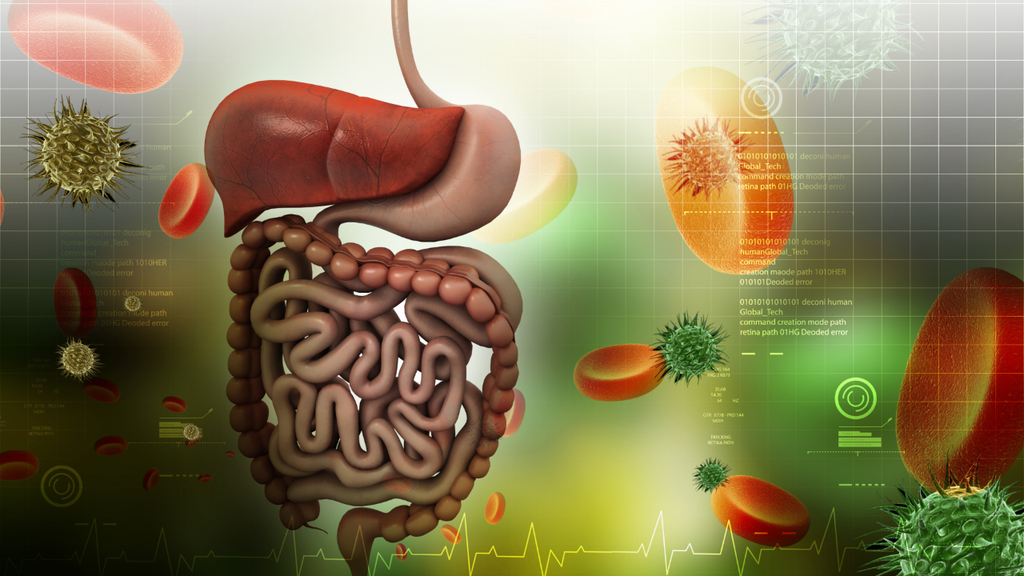
Digestion begins in the mouth and continues through the esophagus, stomach, small intestine, and large intestine. Several other organs, including the liver, gallbladder, and pancreas, also play important roles.
The main purpose of digestion is to break food into smaller substances that the body can absorb and use.
For example, proteins are broken down into amino acids. Carbohydrates are broken down into simpler sugars. Fats are broken down into fatty acids and other smaller components.
The body then uses these nutrients for energy, growth, maintenance, and repair.
Digestion also involves removing materials that the body cannot use.
How the Digestive System Works
Your digestive system works like a connected process rather than a collection of separate organs.
Each part has a job, and the different parts work together.
Also Read: What Does a Physician Assistant Gastroenterology Specialist Do?
The Mouth Starts Digestion
Digestion starts when you eat.
Your teeth break food into smaller pieces. Saliva moistens the food and begins the digestion of certain carbohydrates.
Chewing also makes food easier to swallow and gives the digestive system a smaller, more manageable material to process.
Eating too quickly may make some people feel uncomfortable because large pieces of food and swallowed air can contribute to digestive symptoms.
The Esophagus Moves Food to the Stomach
After you swallow, food moves through the esophagus.
Muscle contractions push the food toward the stomach. This movement happens automatically.
A muscular valve near the bottom of the esophagus helps control the movement of stomach contents.
When stomach contents repeatedly move backward into the esophagus, a person may experience acid reflux or gastroesophageal reflux disease.
The Stomach Mixes Food
The stomach temporarily stores food and mixes it with stomach fluids.
Stomach acid and digestive enzymes help break down food, especially proteins.
The muscles of the stomach also move and mix its contents.
Eventually, the partially digested material moves into the small intestine.
The Small Intestine Absorbs Nutrients
The small intestine is one of the most important areas of digestion.
It continues breaking down carbohydrates, proteins, and fats.
It also absorbs many nutrients into the body.
This is one reason digestive health is closely connected to overall nutrition. If the digestive system cannot properly digest or absorb nutrients, the body may not receive everything it needs.
The Liver Supports Digestion
The liver performs many jobs in the body.
One of its digestive roles is producing bile, a substance that helps the body process fats.
The liver also plays important roles in nutrient processing and metabolism.
The Gallbladder Stores Bile
The gallbladder is a small organ located beneath the liver.
It stores bile and releases it when needed for digestion.
Problems involving the gallbladder can sometimes cause abdominal pain, nausea, or digestive discomfort, particularly after certain meals.
The Pancreas Produces Digestive Enzymes
The pancreas produces substances that help digest carbohydrates, fats, and proteins.
It also has important functions related to blood sugar regulation.
Because the pancreas has both digestive and metabolic roles, pancreatic disorders can sometimes have significant effects on overall health.
The Large Intestine Handles Waste
After most nutrients have been absorbed, the remaining material moves into the large intestine.
The large intestine absorbs water and helps form stool.
The colon also contains a large community of microorganisms commonly called the gut microbiome.
These microorganisms interact with food components and the digestive environment.
What Is Digestive Health?
Digestive health means that your digestive system is functioning normally and that digestive symptoms are not significantly interfering with your daily life.
Good digestive health does not mean you will never experience gas, bloating, constipation, or an upset stomach.
Almost everyone has occasional digestive symptoms.
Instead, the bigger picture matters.
A healthy digestive system generally allows you to:
- Eat comfortably
- Digest and absorb nutrients
- Have reasonably regular bowel movements
- Eliminate waste
- Maintain adequate nutrition
- Avoid persistent or severe digestive symptoms
Digestive health can be affected by diet, physical activity, stress, sleep, medications, illnesses, age, and underlying medical conditions.
Common Symptoms of Digestive Problems
Digestive symptoms can be mild and temporary, or they can signal a medical condition.
Common symptoms include:
- Stomach pain
- Abdominal discomfort
- Bloating
- Gas
- Burping
- Heartburn
- Nausea
- Vomiting
- Constipation
- Diarrhea
- Changes in bowel movements
- Feeling full quickly
- Loss of appetite
- Difficulty swallowing
- Unexplained weight changes
One symptom can have many possible causes.
For example, bloating might be related to eating habits, constipation, food intolerance, or a gastrointestinal disorder.
This is why self-diagnosis can sometimes be misleading.
What Causes Indigestion?
Indigestion is a common digestive complaint.
A person with indigestion may experience upper abdominal discomfort, fullness, bloating, belching, nausea, or burning.
Eating too much or eating very quickly can sometimes trigger indigestion.
Certain foods and beverages may also cause symptoms in some people.
Stress, medications, acid reflux, stomach inflammation, and other digestive conditions can also contribute.
If indigestion keeps returning or becomes severe, it is worth discussing with a healthcare professional.
Understanding Acid Reflux and GERD
Acid reflux happens when stomach contents move upward into the esophagus.
A person may feel a burning sensation in the chest or throat.
Some people also experience a sour taste or the feeling that food or liquid is coming back up.
Occasional reflux is common.
GERD, or gastroesophageal reflux disease, is a longer-term condition involving repeated reflux and symptoms or complications.
Symptoms can include:
- Frequent heartburn
- Regurgitation
- Chest discomfort
- Difficulty swallowing
- Chronic cough
- Hoarseness
- Throat irritation
Persistent reflux should not simply be ignored.
A healthcare professional can determine whether lifestyle changes, medication, testing, or other treatment is appropriate.
Bloating and Gas
Bloating is one of the most common digestive complaints.
A person may feel pressure, fullness, swelling, or tightness in the abdomen.
Gas can also cause discomfort.
Possible contributors include:
- Eating quickly
- Swallowing air
- Carbonated drinks
- Certain carbohydrates
- Constipation
- Food intolerance
- Changes in gut bacteria
- Some digestive disorders
Occasional bloating is usually not a reason for alarm.
However, persistent bloating combined with pain, vomiting, weight loss, bleeding, or other unusual symptoms deserves medical attention.
Constipation and Digestive Health
Constipation means bowel movements are difficult, infrequent, or associated with hard stools.
It can happen for many reasons.
Common contributors include:
- Not enough fiber
- Not drinking enough fluids
- Low physical activity
- Changes in routine
- Certain medications
- Ignoring the urge to use the bathroom
- Some medical conditions
Increasing fiber gradually, drinking enough fluids, and staying physically active can help many people.
However, sudden or severe constipation should not automatically be treated as a simple diet problem.
Diarrhea and the Digestive System
Diarrhea involves loose or watery stools that occur more frequently than usual.
Short-term diarrhea can happen because of infections, contaminated food, dietary changes, medications, or other temporary problems.
Long-lasting diarrhea has a wider range of possible causes.
Frequent diarrhea can also cause dehydration and loss of important electrolytes.
Medical attention may be needed when diarrhea is severe, lasts for an extended period, contains blood, or occurs with significant pain, fever, dehydration, or weakness.
What Is a Gastroenterologist?
A gastroenterologist is a physician who specializes in the digestive system.
Gastroenterologists evaluate and treat problems involving areas such as:
- Esophagus
- Stomach
- Small intestine
- Colon
- Rectum
- Liver
- Gallbladder
- Pancreas
- Bile ducts
A gastroenterologist may treat common conditions such as GERD and indigestion, as well as more complex diseases involving the intestines, liver, pancreas, or other digestive organs.
What Is a Gastro Digestive Medical Group?
A gastro digestive medical group generally refers to a healthcare practice or group of medical professionals focused on gastrointestinal and digestive health.
A digestive medical group may provide several services under one organization.
Depending on the practice, services may include:
- Gastroenterology consultations
- Digestive health evaluations
- Colonoscopy
- Upper endoscopy
- Colon cancer screening
- GERD evaluation
- Inflammatory bowel disease care
- Liver evaluation
- Digestive testing
- Follow-up appointments
Not every practice offers the same services.
If you are looking for a gastro digestive medical group in the United States, consider the physician’s qualifications, the services offered, insurance participation, hospital affiliations, appointment availability, and patient communication.
Do not choose a medical provider based only on online reviews or a business name.
When Should You See a Gastroenterologist?
You do not need to see a gastroenterologist for every minor stomach problem.
Many mild digestive symptoms improve on their own.
However, specialist care may be appropriate when symptoms are:
- Persistent
- Repeated
- Severe
- Unexplained
- Getting worse
- Interfering with daily activities
A primary care physician can also help determine whether a referral is necessary.
Some people may need gastroenterology care because of a known condition or an abnormal test result.
Digestive Warning Signs
Some digestive symptoms should receive prompt medical attention.
Important warning signs include:
- Vomiting blood
- Black or tar-like stool
- Significant blood in the stool
- Severe abdominal pain
- Persistent vomiting
- Unexplained weight loss
- Difficulty swallowing
- Yellowing of the skin or eyes
- Severe dehydration
- Significant or unexplained changes in bowel habits
Chest pain also deserves special attention.
Although digestive conditions can cause chest discomfort, heart problems can sometimes feel similar to indigestion or heartburn.
New, severe, or unexplained chest pain should be treated seriously.
How Doctors Diagnose Digestive Problems
A doctor usually starts with a conversation about your symptoms and medical history.
The healthcare professional may ask:
- When did the symptoms begin?
- How often do they occur?
- What makes them better?
- What makes them worse?
- Are symptoms related to meals?
- Have your bowel habits changed?
- What medications do you take?
- Do you use supplements?
- Does anyone in your family have digestive disease?
Depending on the situation, testing may be recommended.
Possible tests include blood tests, stool tests, imaging studies, endoscopy, colonoscopy, and other specialized examinations.
The right test depends on the individual situation.
What Is an Upper Endoscopy?
An upper endoscopy is a procedure that allows a physician to look inside the upper digestive tract.
The examination can provide information about areas such as the esophagus and stomach and may also examine the beginning of the small intestine.
Doctors may recommend an upper endoscopy for certain symptoms, including persistent upper digestive discomfort, difficulty swallowing, unexplained bleeding, or other concerns.
What Is a Colonoscopy?
A colonoscopy allows a physician to examine the inside of the colon and rectum.
It can be used to investigate digestive symptoms and is also an important tool for colorectal cancer screening.
During a colonoscopy, doctors can identify abnormalities such as polyps and may be able to remove certain polyps during the procedure.
Screening schedules depend on age, personal risk, family history, and other factors.
Gastro Digest and Digestive Supplements
Some people searching for “gastro digest” may actually be looking for a digestive supplement.
There are many products marketed for digestion, including products containing enzymes, herbs, minerals, probiotics, or other ingredients.
Digestive supplements can be appealing because they are often promoted as an easy way to support stomach or gut health.
However, marketing claims should be evaluated carefully.
A supplement is not automatically effective simply because it contains ingredients associated with digestion.
It is also important to understand that dietary supplements are different from prescription medications.
What Is VerVita Gastro Digest?
VerVita GastroDigest II is a dietary supplement marketed for digestive support.
The product is described as a two-stage formula intended to support digestion in different parts of the digestive system.
Its listed ingredients include substances such as betaine hydrochloride, digestive enzymes, amino acids, beet root, ox bile extract, and other ingredients.
The product information also indicates that it contains beef and pork.
These details are useful for consumers who have dietary restrictions, allergies, or personal preferences.
However, the fact that a supplement contains an ingredient associated with digestion does not prove that it will solve a particular digestive problem.
Consumers should evaluate the complete label and consider their individual health situation before using a supplement.
Is VerVita Gastro Digest Right for Everyone?
Not necessarily.
Digestive supplements can affect people differently.
A product may also be inappropriate for someone with certain medical conditions or for someone taking specific medications.
This is especially important when a supplement contains multiple active ingredients.
Before starting a new supplement, consider speaking with a doctor, pharmacist, or qualified healthcare professional.
This is particularly important if you:
- Take prescription medication
- Take several supplements
- Have a chronic medical condition
- Have a history of digestive disease
- Are pregnant or breastfeeding
- Have food allergies
- Have recently had surgery
Digestive Enzymes Explained
Digestive enzymes help break food into smaller components.
Your body naturally produces digestive enzymes.
Some supplements also contain enzymes such as proteases, lipases, or enzymes that help break down carbohydrates.
Enzyme supplements may be useful in certain medical situations, but they are not automatically necessary for everyone.
If someone regularly needs a supplement to tolerate ordinary foods, it may be more useful to investigate why symptoms are happening instead of simply increasing supplement use.
Can Diet Improve Digestion?
Diet can have a major influence on digestive comfort.
However, there is no single diet that works perfectly for every person.
A balanced eating pattern may include:
- Vegetables
- Fruits
- Whole grains
- Beans and other legumes
- Lean proteins
- Healthy fats
- Appropriate amounts of dairy or alternatives
- Adequate fluids
Some people may need to adjust specific foods because of an intolerance or medical condition.
The goal should be a nutritious diet that fits the person’s individual needs.
Fiber and Gastro Digestion
Fiber is an important part of digestive health.
It can help support regular bowel movements and contributes to the environment in the large intestine.
Good sources include:
- Fruits
- Vegetables
- Beans
- Lentils
- Whole grains
- Nuts
- Seeds
However, increasing fiber too quickly can cause gas and bloating.
A gradual increase may be easier for the digestive system to handle.
People with certain gastrointestinal conditions may need individualized dietary advice.
Water and Digestive Health
Hydration is important for normal body function.
Water also plays a role in keeping stool from becoming excessively hard.
People who experience vomiting, diarrhea, heavy sweating, or other fluid losses may need to pay special attention to hydration.
However, there is no need to drink extreme amounts of water as a supposed digestive “cleanse.”
More is not always better.
Exercise and the Digestive System
Physical activity supports overall health and can also be helpful for normal bowel function.
Walking after meals, regular exercise, and reducing long periods of inactivity can be useful habits.
You do not need an extreme workout program to support your health.
Simple activities performed consistently can make a difference.
Stress and Digestion
The brain and digestive system communicate constantly.
That is why stress can affect the way the digestive system feels and functions.
Some people notice more:
- Bloating
- Stomach discomfort
- Changes in bowel habits
- Nausea
- Appetite changes
during stressful periods.
This does not mean digestive symptoms are imaginary.
The relationship between the nervous system and digestive system is biological and complex.
Good sleep, regular movement, relaxation techniques, and appropriate stress management may support digestive comfort.
The Gut Microbiome
The gut microbiome refers to the community of microorganisms living in the digestive tract.
These microorganisms interact with food and with the body.
Research into the microbiome has grown rapidly, and scientists continue to learn about its relationship with digestion and overall health.
However, the popularity of the microbiome has also created many exaggerated health claims.
Not every probiotic or “gut health” product has been proven to provide the same benefit.
A product that works for one specific digestive condition may not be useful for another.
Common Gastro Digest Myths
Myth: Every Digestive Problem Comes From Stomach Acid
Stomach acid is important, but digestive symptoms can have many different causes.
Myth: Everyone Needs Digestive Enzymes
The body naturally produces digestive enzymes. Supplementation is not automatically required.
Myth: A Detox Product Cleans the Digestive System
The body has natural systems for processing and eliminating waste. Marketing language about “cleansing” should be viewed carefully.
Myth: Natural Products Are Always Safe
Natural substances can still cause side effects and interactions.
Myth: Online Reviews Prove That a Product Works
Personal experiences are not the same as scientific evidence.
Myth: A Supplement Can Replace Medical Care
Supplements should not be used as a substitute for diagnosis or treatment when a medical problem may be present.
How to Choose a Digestive Health Product
If you are considering a product marketed for gastro digestion, take time to read the label.
Look for:
- Complete ingredient information
- Serving size
- Amount of each ingredient
- Allergen information
- Dietary ingredients
- Manufacturer details
- Directions
- Warnings
- Expiration information
Be careful with products making dramatic promises.
Claims such as “cures every digestive problem,” “removes all toxins,” or “guarantees perfect gut health” should be treated with skepticism.
A trustworthy health decision is based on evidence, safety, and individual needs.
How to Choose a Gastro Digestive Medical Group
If you are searching for a gastro digestive medical group in the United States, look beyond branding.
Consider whether the practice:
- Employs qualified gastroenterology professionals
- Clearly explains its services
- Provides appropriate patient information
- Accepts your insurance when necessary
- Offers the procedure or service you need
- Communicates clearly about preparation and follow-up
- Has an appropriate clinical setting
- Makes it easy to understand how appointments work
You can also ask your primary care provider for a referral.
Choosing healthcare is different from choosing an ordinary consumer service. Quality, qualifications, communication, and appropriate medical care should come first.
How to Prepare for a Gastroenterology Appointment
Preparing before an appointment can make the conversation easier.
Write down your symptoms and when they started.
It can also help to record:
- Foods that appear to trigger symptoms
- Bowel movement changes
- Medications
- Supplements
- Previous diagnoses
- Previous procedures
- Family history
- Questions you want answered
Bring an accurate medication and supplement list.
Do not stop a prescribed medication without speaking with the healthcare professional who prescribed it.
Questions to Ask Your Gastroenterologist
A few simple questions can make a medical appointment more productive.
You could ask:
- What are the most likely causes of my symptoms?
- Do I need testing?
- What type of testing would be most useful?
- Could any of my medications be contributing?
- Should I change my diet?
- Do I need a specialist procedure?
- What warning signs should I watch for?
- How long should I wait before following up?
- Do I need routine digestive screening?
- Should I use any supplements?
Good healthcare is a conversation.
You should feel comfortable asking for explanations when something is unclear.
How to Track Digestive Symptoms
Keeping a simple symptom diary can sometimes help identify patterns.
You might record:
- What you ate
- Meal size
- Time of meals
- Symptoms
- Bowel movements
- Sleep
- Exercise
- Stress level
- Medications
- Supplements
The purpose is not to become obsessed with every bodily sensation.
Instead, the goal is to give useful information to yourself and your healthcare professional.
When Online Digestive Information Becomes Misleading
The internet contains an enormous amount of digestive health information.
Some of it is useful.
Some of it is incomplete.
Some of it is primarily marketing.
A good question to ask is: “Is this information trying to educate me, or is it trying to sell me something?”
Be cautious when a page:
- Promises instant results
- Claims to cure many unrelated diseases
- Uses dramatic before-and-after stories
- Relies entirely on testimonials
- Does not explain possible risks
- Tells you to stop medical treatment
- Says doctors do not want you to know about the product
- Makes claims that sound too good to be true
Health information should help you make informed decisions rather than pressure you into buying something.
A Simple Gastro Digest Daily Routine
You do not need an expensive supplement routine to take better care of your digestive system.
A practical routine can start with basic habits.
Eat a varied diet.
Try to include appropriate fiber.
Drink enough fluids.
Eat meals at a comfortable pace.
Stay physically active.
Get enough sleep.
Avoid smoking.
Limit alcohol.
Pay attention to foods that consistently cause symptoms.
Take medications as directed.
Do not ignore persistent or unusual digestive problems.
These habits are simple, but consistency matters more than complexity.
Also Read: Gastroenterology Procedures: A Complete Guide to Common GI Tests and Treatments
Digestive Health Is Personal
Two people can eat the same meal and experience completely different digestive responses.
One person may tolerate dairy without a problem, while another may experience symptoms because of lactose intolerance.
One person may feel comfortable eating a large amount of fiber, while another may experience significant bloating after increasing fiber quickly.
This is why generalized advice should not replace personalized medical care.
The best approach is usually to understand your own body while avoiding unnecessary restrictions.
Frequently Asked Questions About Gastro Digest
Is gastro digest the same as gastroenterology?
No. Gastroenterology is a medical specialty focused on the digestive system. “Gastro digest” is a broad phrase that may refer to digestion, digestive health, or products and services related to the gastrointestinal system.
How long does digestion usually take?
Digestion does not happen at exactly the same speed for everyone. Food moves through different sections of the digestive system at different rates. The overall process can take many hours, with additional time required for waste to move through the intestines.
Can eating too fast cause digestive discomfort?
Yes. Eating quickly can cause some people to swallow more air or eat larger portions than they realize. This may contribute to bloating, fullness, or discomfort.
Should you take a digestive supplement every day?
Not necessarily. Whether a supplement is appropriate depends on the product, its ingredients, your health, medications, and the reason you are considering it. Regular digestive symptoms should be evaluated rather than automatically managed with supplements.
Can digestive problems affect your appetite?
Yes. Nausea, abdominal discomfort, reflux, constipation, infections, and several other conditions can change appetite. A persistent or unexplained loss of appetite should be discussed with a healthcare professional.
Conclusion
The phrase “gastro digest” can refer to a broad range of topics involving digestion, gastrointestinal health, gastroenterology, medical care, or digestive supplements.
Understanding the digestive system is a useful first step because digestion involves much more than the stomach. The mouth, esophagus, stomach, intestines, liver, gallbladder, pancreas, nerves, and gut microbiome all contribute to the process.
Everyday habits can support digestive health. A balanced diet, adequate fluids, regular movement, appropriate fiber, good sleep, and attention to persistent symptoms are all important pieces of the picture.
If you are experiencing ongoing digestive problems, a primary care physician or gastroenterologist can help determine what may be causing them. Testing and treatment should be based on your individual symptoms and medical history.
For people researching a gastro digestive medical group, focus on qualifications, services, communication, and appropriate medical care.
For people researching VerVita Gastro Digest or another digestive supplement, carefully review the ingredients and consider whether the product is appropriate for your individual situation. A supplement should not be viewed as a replacement for professional medical evaluation.
Most importantly, digestive health does not depend on one miracle food, one supplement, or one “cleanse.” A sensible approach combines healthy daily habits with reliable information and timely medical care when something does not feel right.
That balanced approach is one of the most practical ways to understand gastro digestion and support long-term digestive health.
Sorry, the comment form is closed at this time.