


07 Sep What Does Gastroenterologiczna Mean in Medical Terms?
If you have searched for the word “gastroenterologiczna,” you may have seen it on a medical website, clinic page, appointment listing, or health document. At first glance, the word can be confusing because it is not a standard English medical term.
“Gastroenterologiczna” is a Polish word. It is the feminine form of the Polish adjective related to gastroenterology. In simple English, it means “gastroenterological” or “related to gastroenterology.” The term can describe a gastroenterology clinic, consultation, examination, service, or another form of medical care involving the digestive system.
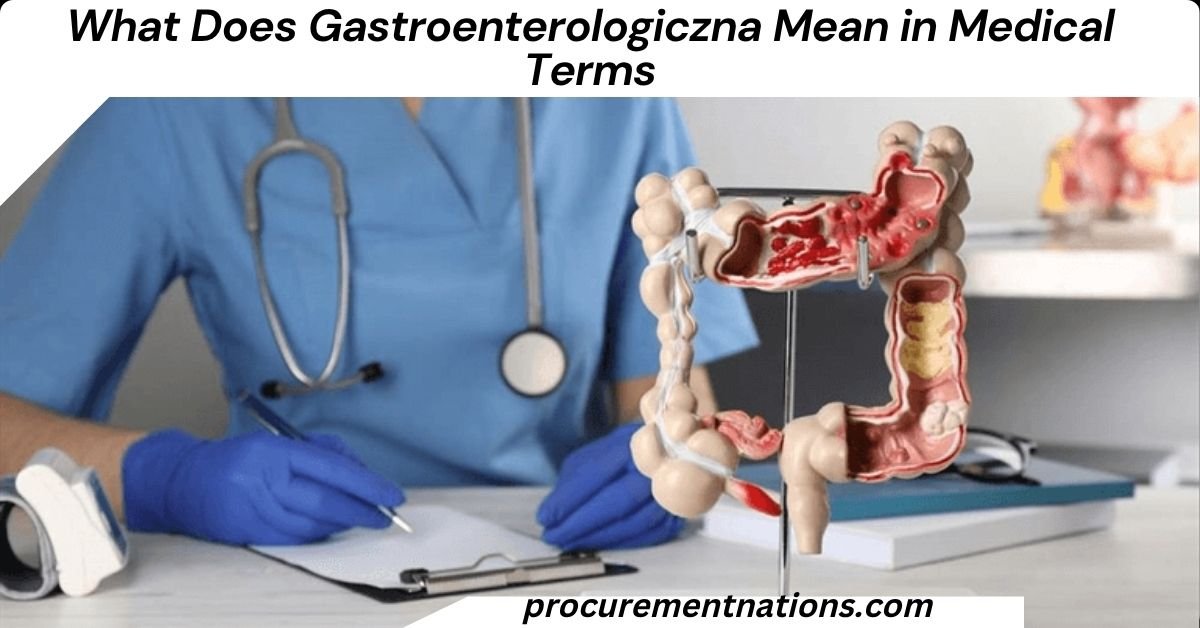
Gastroenterology is the medical specialty that focuses on the digestive system. This includes the esophagus, stomach, small intestine, large intestine, rectum, anus, liver, gallbladder, bile ducts, and pancreas. Gastroenterologists diagnose and treat a wide range of digestive conditions, from common problems such as heartburn and indigestion to more complex diseases such as inflammatory bowel disease, liver disease, pancreatitis, and digestive cancers.
For an English-speaking reader, understanding “gastroenterologiczna” is useful because the word may appear when searching for medical services in Poland or when translating Polish medical information into English.
This guide explains what the term means, what gastroenterology covers, when someone may need a gastroenterologist, what happens during a gastroenterological consultation, which tests may be used, and how digestive health can be supported.
What Does Gastroenterologiczna Mean?
The word “gastroenterologiczna” comes from the Polish medical term connected with “gastroenterologia,” which means gastroenterology.
In English, the closest translation is usually “gastroenterological.”
For example, a Polish phrase such as “poradnia gastroenterologiczna” generally means “gastroenterology clinic” or “gastroenterological clinic.”
Likewise, “konsultacja gastroenterologiczna” can be translated as “gastroenterology consultation.”
The word itself does not describe one particular disease. Instead, it describes something connected with the medical specialty of gastroenterology.
This distinction is important.
Someone searching for “gastroenterologiczna” may actually be looking for information about:
- A gastroenterology clinic
- A gastroenterologist
- A digestive health consultation
- Gastrointestinal testing
- Gastroscopy
- Colonoscopy
- Liver evaluation
- Pancreas or gallbladder care
- Digestive symptoms
- Gastrointestinal diseases
- A medical referral
- Gastroenterological treatment
In other words, “gastroenterologiczna” is best understood as a descriptive medical term rather than the name of a specific disease.
What Is Gastroenterology?
Gastroenterology is the branch of medicine that deals with the normal function and diseases of the digestive system.
The American College of Gastroenterology describes gastroenterology as covering the esophagus, stomach, small intestine, colon, rectum, pancreas, gallbladder, bile ducts, and liver. It also includes problems involving digestion, nutrient absorption, movement of food through the digestive tract, and elimination of waste.
The digestive system is much more than the stomach.
It is a connected system that helps the body break food into nutrients, absorb those nutrients, move food and waste through the body, and remove waste.
Also Read: Is Gastro Digest Good for Everyday Digestive Support?
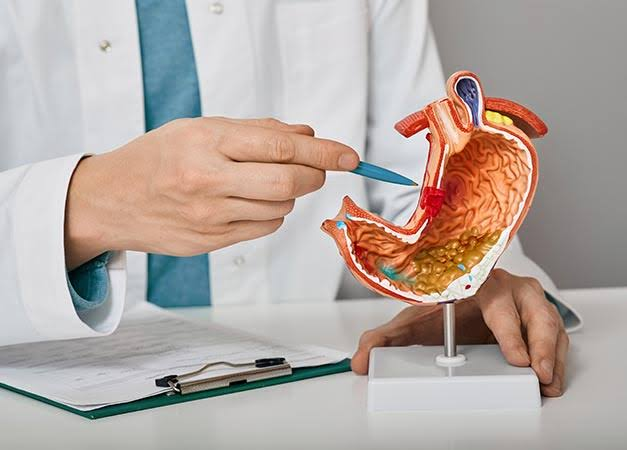
The digestive system includes the gastrointestinal tract and several supporting organs. The gastrointestinal tract includes the mouth, esophagus, stomach, small intestine, large intestine, rectum, and anus. The liver, pancreas, and gallbladder also play important roles in digestion.
This is why gastroenterology covers such a large number of health problems.
A person with chronic heartburn may need a gastroenterologist. Another person may need one because of unexplained abdominal pain. Someone else may be referred for a colonoscopy, inflammatory bowel disease, abnormal liver tests, or pancreatic disease.
What Does a Gastroenterologist Do?
A gastroenterologist is a physician who specializes in diseases and disorders of the gastrointestinal tract and liver.
A gastroenterologist may evaluate symptoms, review medical history, perform or order diagnostic tests, explain test results, prescribe treatments, monitor chronic conditions, and perform certain procedures.
Depending on the patient’s problem, the doctor may investigate the:
- Esophagus
- Stomach
- Small intestine
- Colon
- Rectum
- Liver
- Gallbladder
- Bile ducts
- Pancreas
A gastroenterologist does not simply treat stomach pain.
The specialty covers the entire digestive system and many conditions that can affect a person’s nutrition, energy, bowel habits, liver function, and overall health.
What Is a Gastroenterology Clinic?
A gastroenterology clinic is a medical setting where patients receive evaluation and treatment for digestive problems.
A clinic may provide consultations, laboratory testing, imaging referrals, endoscopic procedures, follow-up care, and management of chronic digestive diseases.
In Poland, the phrase “poradnia gastroenterologiczna” is commonly used for a gastroenterology clinic. Polish medical institutions describe these clinics as providing diagnosis and treatment for diseases involving the digestive tract, liver, pancreas, and biliary system.
In the United States, you may see terms such as:
- Gastroenterology clinic
- GI clinic
- Digestive health center
- Gastroenterology practice
- Gastrointestinal specialty clinic
These names generally refer to medical services focused on digestive health.
Which Organs Does Gastroenterology Cover?
Understanding the organs involved makes the meaning of gastroenterologiczna much easier to understand.
Esophagus
The esophagus is the tube that carries swallowed food and liquids from the throat to the stomach.
Problems involving the esophagus can include acid reflux, gastroesophageal reflux disease, inflammation, swallowing disorders, narrowing, and other conditions.
Stomach
The stomach helps mix food with digestive juices and begins important parts of digestion.
Gastroenterologists may diagnose and treat conditions such as gastritis, ulcers, indigestion, bleeding, and certain stomach cancers.
Small Intestine
The small intestine is where much of the digestion and nutrient absorption takes place.
Conditions affecting this area include celiac disease, Crohn’s disease, infections, malabsorption problems, and other disorders.
Large Intestine
The large intestine absorbs water and helps form stool.
Gastroenterologists treat conditions involving the colon such as irritable bowel syndrome, inflammatory bowel disease, diverticular disease, polyps, constipation, diarrhea, and colorectal cancer.
Liver
The liver has many important functions, including processing nutrients and producing bile.
Gastroenterologists may diagnose and manage hepatitis, fatty liver disease, cirrhosis, abnormal liver tests, and other liver disorders.
Gallbladder and Bile Ducts
The gallbladder stores bile, while the bile ducts carry bile.
Problems can include gallstones, inflammation, bile duct obstruction, and other biliary diseases.
Pancreas
The pancreas contributes digestive enzymes and hormones.
Gastroenterologists may treat pancreatic conditions such as acute or chronic pancreatitis and other pancreatic disorders.
The digestive system works as a connected network, so symptoms from one area can sometimes be caused by a problem somewhere else.
Why Might Someone Need a Gastroenterologist?
Not every digestive symptom requires a specialist.
Temporary bloating, mild diarrhea after an infection, or occasional indigestion may improve without specialist care.
However, persistent, severe, unexplained, or recurring symptoms may need further evaluation.
Common reasons for seeing a gastroenterologist include:
- Persistent abdominal pain
- Frequent heartburn
- Difficulty swallowing
- Repeated nausea or vomiting
- Chronic diarrhea
- Long-lasting constipation
- Blood in the stool
- Black or tar-like stool
- Unexplained weight loss
- Persistent bloating
- Ongoing indigestion
- Abnormal liver tests
- Suspected inflammatory bowel disease
- Celiac disease
- Crohn’s disease
- Ulcerative colitis
- Pancreatic disorders
- Gallbladder or bile duct problems
- Colon polyps
- A need for colonoscopy
- A need for upper GI endoscopy
The important point is that symptoms should be considered in context.
A single episode of stomach discomfort usually means something different from symptoms that continue for months.
Common Symptoms Evaluated by Gastroenterologists
Digestive symptoms can be difficult to interpret because many different conditions can cause similar complaints.
Abdominal Pain
Abdominal pain can come from the stomach, intestines, gallbladder, pancreas, liver, or other organs.
Its location, timing, severity, and relationship to eating or bowel movements can help doctors determine what should be investigated.
Heartburn
Heartburn is commonly associated with acid reflux.
Gastroesophageal reflux occurs when stomach contents move backward into the esophagus. GERD is a more persistent condition that can cause repeated symptoms or complications.
Bloating
Bloating can occur for many reasons.
It may be related to eating patterns, constipation, food intolerance, functional gastrointestinal disorders, or other medical conditions.
Persistent bloating should not automatically be blamed on one particular food.
Diarrhea
Diarrhea may be short-term or chronic.
Acute diarrhea can result from infections, food poisoning, medication effects, or other temporary causes. Chronic diarrhea may require a more detailed medical evaluation.
Constipation
Constipation can involve infrequent bowel movements, hard stools, difficulty passing stool, or a feeling that the bowel has not completely emptied.
Persistent constipation may require investigation, especially when accompanied by concerning symptoms.
Nausea and Vomiting
Occasional nausea is common.
Repeated vomiting, persistent nausea, dehydration, blood in vomit, or unexplained weight loss deserves medical attention.
Difficulty Swallowing
Difficulty swallowing is called dysphagia.
It may involve difficulty moving food through the throat or esophagus.
Because swallowing problems can sometimes indicate an important underlying condition, persistent dysphagia should be medically evaluated.
Common Digestive Conditions Treated in Gastroenterology
Gastroenterology covers many conditions.
Gastroesophageal Reflux Disease
GERD is one of the most common digestive disorders.
Typical symptoms include heartburn and regurgitation, but some people experience other symptoms such as chest discomfort, nausea, swallowing problems, chronic cough, or hoarseness.
Treatment may involve lifestyle changes, medications, and in selected cases procedures or surgery.
Gastritis
Gastritis involves inflammation of the stomach lining.
The related term gastropathy refers to damage to the stomach lining with little or no inflammation.
Helicobacter pylori is an important cause of gastritis. Doctors may use endoscopy, biopsies, blood tests, stool tests, breath tests, or other evaluations depending on the situation.
Peptic Ulcers
Peptic ulcers are sores that develop in the lining of the stomach or upper small intestine.
They can cause abdominal discomfort and, in some cases, bleeding.
Treatment depends on the cause and may include medications and treatment of an underlying infection when present.
Irritable Bowel Syndrome
Irritable bowel syndrome, commonly called IBS, is a gastrointestinal disorder associated with symptoms such as abdominal pain and changes in bowel habits.
Some people mainly experience constipation, others diarrhea, and some experience both.
IBS is different from inflammatory bowel disease because it does not cause the same type of intestinal inflammation and tissue damage associated with conditions such as Crohn’s disease and ulcerative colitis.
Crohn’s Disease
Crohn’s disease is a chronic inflammatory disease that can affect the digestive tract.
Symptoms can include diarrhea, abdominal cramping, abdominal pain, and weight loss. Diagnosis usually involves a combination of medical history, physical examination, laboratory tests, imaging, and endoscopic evaluation rather than one single test.
Ulcerative Colitis
Ulcerative colitis is another chronic inflammatory bowel disease.
It primarily affects the colon and rectum and can cause symptoms such as diarrhea, rectal bleeding, abdominal pain, and urgency.
Management aims to control inflammation, reduce symptoms, maintain remission, and prevent complications.
Celiac Disease
Celiac disease is an immune-mediated condition triggered by gluten in genetically susceptible individuals.
It can affect nutrient absorption and cause digestive or non-digestive symptoms.
Diagnosis should be performed correctly because starting a gluten-free diet before testing can affect some diagnostic results.
Diverticular Disease
Diverticula are small pouches that can develop in the colon.
Some people have diverticulosis without symptoms. In other cases, diverticular disease or diverticulitis can develop.
The appropriate treatment depends on the specific condition and severity.
Gallstones
Gallstones are solid particles that can form in the gallbladder.
Some people have no symptoms, while others develop pain or complications.
A gastroenterologist may help determine whether further testing or treatment is needed.
Pancreatitis
Pancreatitis means inflammation of the pancreas.
Acute pancreatitis can develop suddenly and may require urgent medical care.
Chronic pancreatitis can cause long-term digestive and nutritional problems.
Liver Disease
Gastroenterology also includes many liver conditions.
Depending on the problem, evaluation may involve liver blood tests, imaging, viral testing, medication review, or other investigations.
What Happens During a Gastroenterological Consultation?
A first appointment usually begins with a detailed discussion.
The doctor may ask:
- What symptoms are you experiencing?
- When did they begin?
- How often do they occur?
- What makes them better or worse?
- Are they related to meals?
- Have your bowel habits changed?
- Have you noticed blood in your stool?
- Have you lost weight without trying?
- What medications do you take?
- Do digestive diseases run in your family?
- Have you had previous gastrointestinal procedures?
The doctor may also perform a physical examination.
Depending on the symptoms, the gastroenterologist may recommend blood tests, stool tests, imaging, endoscopy, colonoscopy, or other diagnostic procedures.
Importantly, not every patient needs every test.
Also Read: What Does Gastro Surgery Involve and How Does It Work?
Good medical care means selecting tests based on the patient’s symptoms, risk factors, medical history, and examination.
What Tests Can a Gastroenterologist Order?
There is no single “gastroenterology test.”
Instead, different tests answer different questions.
Blood Tests
Blood tests can provide information about anemia, inflammation, liver function, pancreatic enzymes, infection, nutritional deficiencies, and other health problems.
The exact tests depend on the symptoms.
Stool Tests
Stool testing can sometimes detect blood, infections, inflammation, or problems with digestion.
Doctors may use stool tests when investigating diarrhea, suspected intestinal inflammation, infection, or other gastrointestinal symptoms.
Ultrasound
Abdominal ultrasound can provide information about organs such as the liver, gallbladder, and bile ducts.
It does not use ionizing radiation.
CT Scans
Computed tomography can create detailed images of abdominal structures.
It may be useful for evaluating certain types of abdominal pain, inflammation, obstruction, bleeding, or other problems.
MRI
Magnetic resonance imaging can provide detailed images without using ionizing radiation.
Certain specialized MRI examinations can help evaluate the liver, bile ducts, pancreas, and other structures.
Upper GI Endoscopy
Upper GI endoscopy, sometimes called an upper endoscopy or gastroscopy, allows a doctor to examine the lining of the upper digestive tract.
It can evaluate the esophagus, stomach, and duodenum. Doctors can also take tissue samples during the procedure when appropriate.
Colonoscopy
A colonoscopy allows a doctor to examine the colon and rectum.
It may be used to investigate symptoms, detect abnormalities, remove certain polyps, and screen for colorectal cancer according to appropriate recommendations.
Capsule Endoscopy
In selected cases, a person may swallow a small capsule containing a camera.
The camera passes through the digestive tract and captures images.
This can be particularly useful when doctors need to evaluate parts of the small intestine that are difficult to reach with standard endoscopy.
ERCP
Endoscopic retrograde cholangiopancreatography, or ERCP, is a specialized procedure used mainly to diagnose and treat certain problems involving the bile ducts and pancreatic ducts.
It is not a routine test for every digestive complaint.
Does Every Digestive Problem Need a Gastroenterologist?
No.
This is an important point that is sometimes lost in online health information.
Primary care doctors can manage many common digestive problems.
For example, a person with mild, short-term indigestion may not need specialist care.
However, referral to gastroenterology becomes more useful when symptoms are persistent, severe, unexplained, recurrent, or associated with warning signs.
A specialist can provide more advanced evaluation when the initial assessment does not explain the problem.
This approach can reduce unnecessary testing while making sure important diseases are not overlooked.
When Should You Seek Medical Attention Quickly?
Some digestive symptoms can indicate a medical emergency.
Seek urgent medical care for symptoms such as:
- Vomiting blood
- Vomit that looks like coffee grounds
- Black, tar-like stool
- Heavy rectal bleeding
- Severe or rapidly worsening abdominal pain
- Persistent vomiting with dehydration
- Fainting or severe weakness
- Severe chest pain
- Difficulty swallowing with inability to swallow
- Yellowing of the skin or eyes with severe illness
- Signs of intestinal obstruction
For example, NIDDK identifies vomiting blood, black or tarry stool, unexplained weight loss, persistent vomiting, swallowing problems, and certain forms of chest pain as symptoms that require medical evaluation in the context of possible GERD complications or other serious conditions.
A medical emergency should not wait for a routine gastroenterology appointment.
Gastroenterological Care and Digestive Health
Good digestive health is not only about treating disease.
It also involves understanding how daily habits affect the digestive system.
Food choices, physical activity, sleep, medications, alcohol use, smoking, stress, hydration, and other lifestyle factors can all influence digestive symptoms.
However, there is no universal “perfect gut diet.”
A food that feels comfortable for one person may cause symptoms in another.
This is why personalized advice is usually more useful than extreme elimination diets found online.
How Diet Can Support Digestive Health
A balanced eating pattern can support overall health and digestive function.
Depending on individual needs, a healthy diet may include:
- Vegetables
- Fruits
- Whole grains
- Beans and legumes
- Adequate protein
- Healthy sources of fat
- Adequate fluids
People with specific digestive conditions may need different approaches.
For example, someone with inflammatory bowel disease during a flare may have different nutritional needs from someone with chronic constipation.
Someone with celiac disease requires a medically appropriate gluten-free diet.
Someone with GERD may benefit from identifying personal triggers rather than automatically eliminating every commonly blamed food.
The key insight is that digestive nutrition should match the person and the condition.
Fiber and Digestive Health
Fiber plays an important role in bowel health.
It can help support regular bowel movements and is found in foods such as fruits, vegetables, whole grains, beans, and other plant foods.
However, increasing fiber very quickly can cause gas and bloating.
A gradual increase with adequate fluid intake is often easier to tolerate.
People with certain digestive conditions may need individualized fiber recommendations.
Hydration and the Digestive System
Adequate fluid intake supports normal body functions and can be especially important when a person is losing fluids through diarrhea or vomiting.
Severe diarrhea can lead to dehydration and loss of electrolytes. NIDDK notes that replacing fluids and electrolytes is important when managing acute diarrhea.
Hydration needs vary based on age, body size, activity level, climate, health conditions, medications, and other factors.
Physical Activity and Digestive Health
Regular physical activity supports general health and may also help some people maintain regular bowel habits.
Exercise can be particularly useful as part of an overall healthy lifestyle.
However, exercise should not be viewed as a treatment for every digestive disease.
Persistent symptoms still deserve appropriate medical evaluation.
Stress and the Gut
The digestive system and nervous system communicate closely.
Stress can influence digestive symptoms, including abdominal discomfort, bowel changes, and other gastrointestinal complaints.
This does not mean that digestive symptoms are “just stress.”
That is an important distinction.
A person can have a real digestive condition while also experiencing symptoms that become worse during stressful periods.
Good care considers both physical and psychological factors without dismissing the patient’s symptoms.
Medicines and Gastrointestinal Health
Some medicines can affect the digestive system.
Depending on the medication, possible effects may include nausea, constipation, diarrhea, stomach irritation, or changes in appetite.
Never stop a prescribed medicine simply because you think it is causing digestive symptoms.
Instead, discuss the concern with your doctor or pharmacist.
They can determine whether the medication may be contributing to the problem and whether an alternative is appropriate.
Gastroenterologiczna and Preventive Digestive Care
Gastroenterology is not only about treating symptoms after they become serious.
Prevention is also important.
One major example is colorectal cancer screening.
Screening recommendations depend on factors such as age, personal history, family history, and risk level.
Colonoscopy can serve both diagnostic and preventive purposes because certain polyps can be identified and removed.
This is one reason gastroenterology plays an important role in long-term health rather than simply treating stomach problems.
How to Prepare for a Gastroenterology Appointment
A little preparation can make a medical appointment much more useful.
Before your appointment, consider writing down:
- Your main symptoms
- When symptoms started
- How often they occur
- Foods that appear to affect symptoms
- Your bowel movement pattern
- Recent weight changes
- Current medications
- Supplements
- Previous medical diagnoses
- Previous endoscopy or colonoscopy results
- Relevant family medical history
You may also want to write down your questions.
For example:
“Could this symptom have more than one possible cause?”
“Do I need testing?”
“What are the benefits and risks of this test?”
“What should I do if my symptoms become worse?”
“What symptoms would require urgent care?”
Clear communication helps both the patient and doctor.
How to Choose a Gastroenterologist
Choosing a gastroenterologist should involve more than simply selecting the first name found online.
Consider whether the physician:
- Is properly licensed
- Has appropriate gastroenterology training
- Treats your specific condition
- Performs the procedure you may need
- Works with your health insurance when applicable
- Has access to appropriate diagnostic facilities
- Communicates clearly
- Explains treatment choices and alternatives
- Takes your concerns seriously
For complex conditions, experience with that particular disease or procedure can be especially important.
Gastroenterology Is Broader Than “Stomach Medicine”
One of the biggest misunderstandings about gastroenterology is that it only concerns the stomach.
That is not accurate.
Gastroenterology covers the entire digestive system and related organs.
This includes intestinal diseases, liver disorders, pancreatic conditions, gallbladder problems, swallowing disorders, digestive cancers, nutritional problems, and gastrointestinal bleeding.
This broader view helps explain why a person with abnormal liver tests or a pancreatic problem may see a gastroenterologist even when their stomach feels completely normal.
Why Accurate Diagnosis Matters
Digestive symptoms often overlap.
Bloating can occur with constipation, IBS, food intolerance, or other conditions.
Abdominal pain can originate from many organs.
Diarrhea can be caused by infection, medications, inflammatory disease, food-related problems, or other disorders.
Heartburn may be caused by reflux, but chest symptoms can have other causes as well.
Because of this overlap, guessing based on one symptom is often unreliable.
A better approach is to combine the patient’s history, examination, risk factors, and targeted testing.
This is one of the most important principles of gastroenterological care.
The Future of Gastroenterology
Gastroenterology continues to change as research improves our understanding of digestive diseases.
Modern care increasingly focuses on earlier detection, personalized treatment, minimally invasive procedures, better imaging, advanced endoscopy, and a deeper understanding of the relationship between the immune system, microbiome, genetics, and environment.
Research into inflammatory bowel disease, liver disease, digestive cancers, microbiome science, and new therapeutic approaches continues to expand. NIDDK describes ongoing research into the genetic, environmental, immune, and microbial factors involved in digestive disorders.
This means gastroenterology is not a static field.
Treatment approaches continue to evolve as better evidence becomes available.
A Practical Way to Understand Gastroenterologiczna
If you encounter the word “gastroenterologiczna” on a medical website, the easiest way to understand it is to ask what noun it describes.
For example:
“Poradnia gastroenterologiczna” means a gastroenterology clinic.
“Konsultacja gastroenterologiczna” means a gastroenterology consultation.
“Badanie gastroenterologiczne” refers broadly to a gastrointestinal or gastroenterological examination or test.
“Opieka gastroenterologiczna” means gastroenterological care.
Therefore, the word itself does not tell you exactly what medical service is being offered.
The surrounding words provide the meaning.
Common Misunderstandings About Gastroenterology
Gastroenterology Is Only for Older Adults
This is false.
Digestive diseases can affect people of all ages.
Children, teenagers, young adults, middle-aged adults, and older adults may all require gastroenterological care.
A Gastroenterologist Only Performs Colonoscopies
This is also false.
Gastroenterologists diagnose and treat many digestive conditions and may perform a range of procedures.
Every Stomachache Requires Specialist Care
Not necessarily.
Many mild digestive symptoms are temporary.
Specialist care becomes more important when symptoms persist, recur, become severe, or involve warning signs.
Digestive Symptoms Are Always Caused by Food
Food can influence symptoms, but digestive disease is much more complex.
Infections, medications, immune responses, genetics, inflammation, structural problems, and other factors can contribute.
A Normal Test Means Nothing Is Wrong
Not always.
Some gastrointestinal disorders are diagnosed based on symptoms and clinical evaluation rather than a single visible abnormality.
This is particularly relevant for some functional gastrointestinal disorders.
When a Gastroenterologist May Work With Other Specialists
Digestive health often requires teamwork.
A gastroenterologist may work with:
- Primary care physicians
- Surgeons
- Oncologists
- Dietitians
- Radiologists
- Pathologists
- Hepatologists
- Endocrinologists
- Pharmacists
- Mental health professionals
For example, a patient with inflammatory bowel disease may need coordinated medical and nutritional care.
A patient with digestive cancer may need gastroenterology, surgery, oncology, pathology, and radiology.
This team-based approach can provide more complete care.
Questions to Ask Your Gastroenterologist
Patients often feel nervous about asking questions.
But questions can improve understanding and help people make informed decisions.
Useful questions include:
“What do you think is causing my symptoms?”
“What other conditions could cause similar symptoms?”
“Do I need a test?”
“What will this test tell us?”
“Are there risks associated with the procedure?”
“What should I do to prepare?”
“What treatment options are available?”
“What happens if I do nothing right now?”
“How will we know whether treatment is working?”
“What symptoms mean I should seek urgent medical help?”
These questions can turn an appointment into a more productive conversation.
What Does “Gastroenterologiczna” Mean in Simple English?
In the simplest terms, “gastroenterologiczna” means something related to gastroenterology.
Also Read: Gastroenterology Procedures: A Complete Guide to Common GI Tests and Treatments
Gastroenterology is the medical specialty focused on the digestive system and related organs.
So if you see “gastroenterologiczna” connected with a clinic, consultation, examination, or treatment, it generally means that the service concerns digestive health.
The closest English words are usually:
- Gastroenterological
- Gastroenterology
- Digestive health
- Gastrointestinal
- GI
The exact translation depends on the phrase in which the Polish word appears.
Frequently Asked Questions About Gastroenterologiczna
Is gastroenterologiczna an English word?
No. “Gastroenterologiczna” is a Polish word. It is a feminine form of an adjective related to gastroenterology. In English, it is generally translated as “gastroenterological” or “related to gastroenterology.”
What is the difference between gastroenterology and gastroenterologist?
Gastroenterology is the medical specialty. A gastroenterologist is the physician who specializes in that field.
Does gastroenterology include the liver?
Yes. Gastroenterology includes diseases and disorders involving the liver as well as the gastrointestinal tract, pancreas, gallbladder, and bile ducts.
Can a gastroenterologist help with unexplained weight loss?
Yes. Unexplained weight loss can have many causes, including digestive diseases. A gastroenterologist may evaluate the digestive system when symptoms or medical history suggest a gastrointestinal cause.
Can digestive symptoms be serious even if the pain is mild?
Yes. The severity of pain does not always indicate the seriousness of a condition. Other warning signs, such as bleeding, unexplained weight loss, persistent vomiting, or difficulty swallowing, can be more important in deciding whether medical evaluation is needed.
What should I bring to a gastroenterology appointment?
Bring a list of medications and supplements, previous test results, information about your symptoms, and relevant medical and family history. A written list of questions can also help.
Final Thoughts
The word “gastroenterologiczna” is a Polish medical term connected with gastroenterology. In English, it generally means “gastroenterological” or something related to digestive medicine. It can describe a gastroenterology clinic, consultation, examination, or other medical service.
Gastroenterology is a broad medical specialty that covers much more than the stomach. It includes the esophagus, stomach, intestines, liver, gallbladder, bile ducts, pancreas, and related digestive conditions. Gastroenterologists help diagnose and manage problems such as reflux, gastritis, ulcers, IBS, inflammatory bowel disease, liver disorders, pancreatic disease, gallbladder problems, gastrointestinal bleeding, and other digestive conditions.
The most important lesson is that persistent or concerning digestive symptoms should not be ignored or diagnosed solely from information found online. The right evaluation depends on the person’s symptoms, history, examination, risk factors, and appropriate testing.
Understanding the meaning of “gastroenterologiczna” is therefore more than a translation exercise. It provides a useful starting point for understanding gastroenterology, recognizing when digestive symptoms may need professional attention, and becoming a more informed participant in your own healthcare.
Sorry, the comment form is closed at this time.