


04 Sep What Does Gastro Surgery Involve and How Does It Work?
Gastro surgery, short for gastrointestinal surgery, refers to operations that treat problems affecting the digestive system. The digestive system includes the esophagus, stomach, small intestine, large intestine, rectum, anus, liver, gallbladder, and pancreas. Some gastrointestinal operations are planned in advance, while others are performed urgently when a serious problem develops.
Gastro surgery can treat many different conditions, including cancer, intestinal blockage, severe gastrointestinal bleeding, inflammatory bowel disease complications, gallstones, diverticular disease, severe acid reflux, obesity, and certain abdominal injuries.
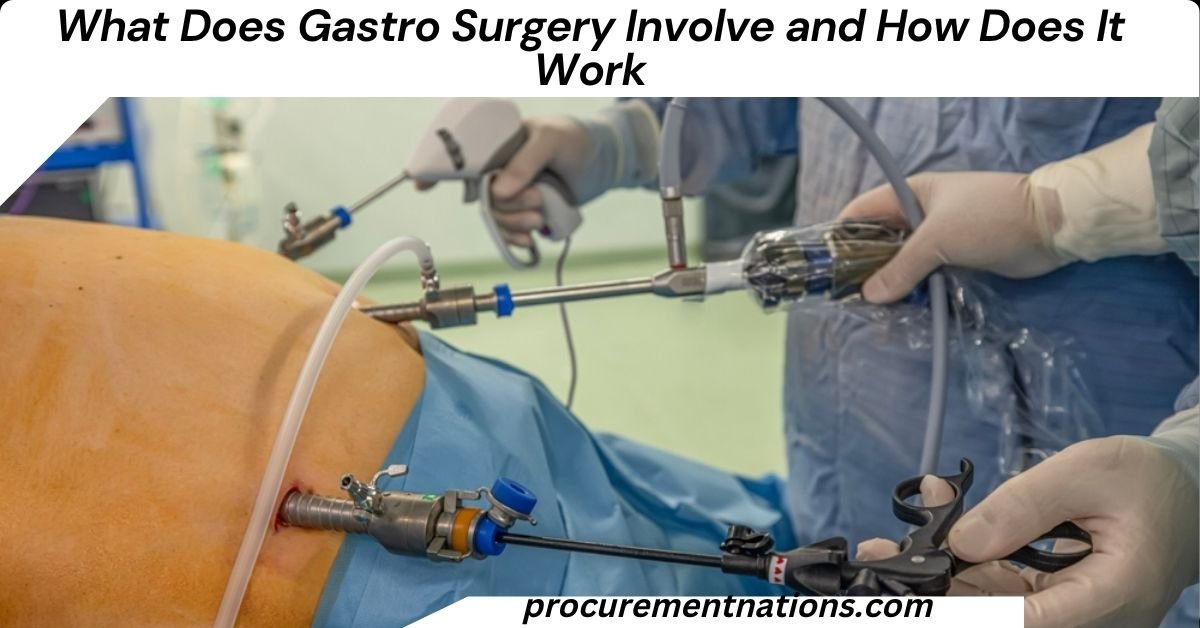
Modern gastrointestinal surgery has changed significantly over the past several decades. Many operations can now be performed through small incisions using laparoscopic or robotic techniques. These approaches may reduce pain, shorten hospital stays, and help some patients return to normal activities sooner. However, minimally invasive surgery is not appropriate for every patient or every condition.
This guide explains what gastro surgery means, the most common types, why doctors recommend it, how patients prepare, possible risks, recovery, costs, and questions to ask a surgeon.
Medical information can help you prepare for a discussion with a healthcare professional, but it cannot replace an individual medical evaluation.
What Is Gastro Surgery?
Gastro surgery is a broad term for surgery involving the gastrointestinal tract and related digestive organs.
The gastrointestinal tract is a long system that carries food from the mouth through the esophagus, stomach, small intestine, and large intestine before waste leaves the body. The liver, gallbladder, and pancreas also play important roles in digestion.
Gastrointestinal surgeons may perform operations on one or more of these organs.
Common examples include:
- Stomach surgery
- Small intestine surgery
- Colon surgery
- Rectal surgery
- Esophageal surgery
- Gallbladder surgery
- Hernia surgery involving the abdominal wall
- Bariatric or weight-loss surgery
- Surgery for gastrointestinal cancers
- Emergency surgery for intestinal obstruction or perforation
The exact operation depends on the disease, its location, its severity, the patient’s overall health, and whether the surgery is planned or urgent.
The National Institute of Diabetes and Digestive and Kidney Diseases explains that the digestive system includes the gastrointestinal tract as well as the liver, pancreas, and gallbladder.
What Does a Gastrointestinal Surgeon Do?
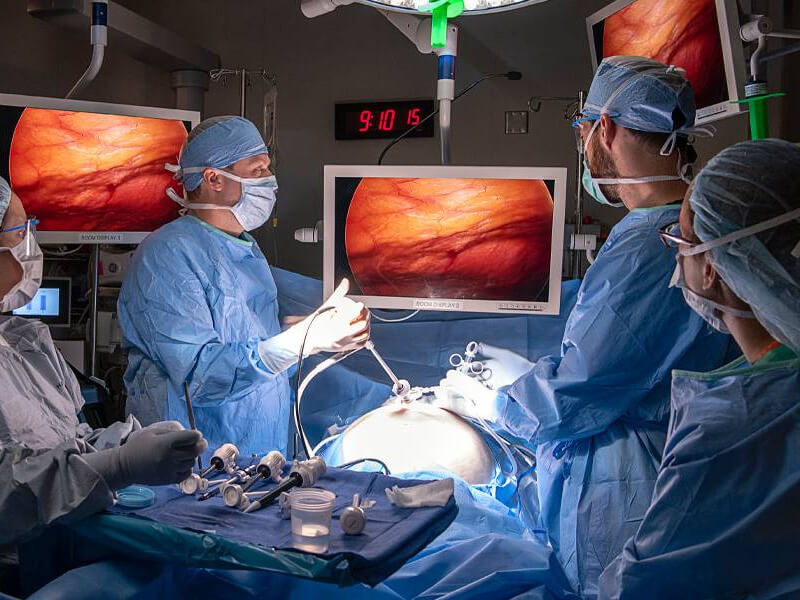
A gastrointestinal surgeon is a physician trained to diagnose and surgically treat diseases involving the digestive system.
Depending on their training and practice, a surgeon may treat conditions affecting the:
- Esophagus
- Stomach
- Small intestine
- Colon
- Rectum
- Anus
- Gallbladder
- Liver
- Pancreas
- Abdominal wall
A gastrointestinal surgeon may work with gastroenterologists, oncologists, radiologists, pathologists, dietitians, anesthesiologists, nurses, and other specialists.
This team approach is especially important when treating cancer, inflammatory bowel disease, severe obesity, or complex abdominal conditions.
When Is Gastro Surgery Necessary?
Not every digestive problem requires surgery.
Doctors generally consider less invasive treatments first when they are safe and effective. Depending on the condition, treatment may include medication, dietary changes, endoscopic procedures, physical activity, observation, or other therapies.
Also Read: Gastroenterology Procedures: A Complete Guide to Common GI Tests and Treatments
Surgery may become necessary when:
- A condition cannot be treated effectively with medication
- Symptoms are severe or persistent
- A digestive organ is damaged
- A cancer needs to be removed
- The intestine becomes blocked
- The intestine develops a hole or perforation
- There is severe internal bleeding
- An infection or abscess cannot be adequately treated without surgery
- A disease causes repeated complications
- Severe obesity requires metabolic or bariatric treatment
- A damaged portion of the bowel needs to be removed
For example, NIDDK notes that surgery may be used for complications of Crohn’s disease such as fistulas, abscesses, intestinal obstruction, severe bleeding, colorectal cancer, or symptoms that do not respond adequately to medication.
Common Types of Gastro Surgery
There is no single operation called “gastro surgery.” Instead, the term describes many different procedures.
Stomach Surgery
Stomach surgery may be performed for cancer, ulcers with serious complications, bleeding, obstruction, severe obesity, or other medical conditions.
Examples include:
- Partial gastrectomy
- Total gastrectomy
- Sleeve gastrectomy
- Gastric bypass
- Surgery to repair certain stomach injuries
- Surgery for some stomach tumors
A gastrectomy involves removing part or all of the stomach. The type of operation depends on the disease and how much of the stomach needs to be removed.
Colon Surgery
Colon surgery, also called colorectal surgery when it involves the colon and related structures, can treat conditions such as:
- Colon cancer
- Diverticulitis with complications
- Inflammatory bowel disease
- Intestinal obstruction
- Certain polyps or tumors
- Severe bleeding
- Bowel perforation
A colectomy means removing part or all of the colon.
After removing a diseased portion, the surgeon may reconnect the remaining bowel. This connection is called an anastomosis.
In some situations, the surgeon may create an ostomy. An ostomy creates an opening called a stoma through the abdominal wall so stool can leave the body into a pouch.
Whether an ostomy is temporary or permanent depends on the disease, the operation, and the patient’s condition.
Rectal Surgery
Rectal surgery may be necessary for:
- Rectal cancer
- Severe inflammatory bowel disease
- Certain injuries
- Some structural problems
- Complications that cannot be treated with medication
Rectal surgery can be complex because the rectum is located near several muscles, nerves, and pelvic organs.
Surgeons often consider both disease control and preservation of normal bowel function when planning treatment.
Small Intestine Surgery
Small bowel surgery may involve removing a damaged section of the small intestine.
This can be necessary because of:
- Crohn’s disease
- Intestinal obstruction
- Cancer
- Perforation
- Severe infection
- Reduced blood flow to the intestine
- Trauma
NIDDK describes small bowel resection as an operation that removes part of the small intestine and notes that it can be needed for conditions such as intestinal obstruction or severe Crohn’s disease affecting the small intestine.
Removing a large amount of small intestine can sometimes lead to short bowel syndrome. This happens when the remaining intestine cannot absorb enough nutrients and fluids.
Esophageal Surgery
Esophageal surgery may be used for certain cancers, severe structural problems, or other serious conditions affecting the esophagus.
Some esophageal operations involve removing part of the esophagus and reconnecting the digestive tract.
Surgery may also be considered for severe gastroesophageal reflux disease, commonly called GERD, when other treatments are not effective or appropriate.
NIDDK states that surgery for GERD may be considered when lifestyle changes and medicines do not adequately control symptoms or when a patient wants an alternative to long-term medication. Fundoplication is the most common surgical procedure for GERD.
Gallbladder Surgery
Gallbladder removal is called a cholecystectomy.
It is commonly performed for symptomatic gallstones and certain gallbladder problems.
NIDDK notes that gallbladder removal is the usual treatment for symptomatic gallstones and is one of the most common adult operations in the United States.
Many gallbladder operations are performed laparoscopically through several small incisions.
Hernia Surgery
A hernia occurs when tissue pushes through a weak area in the surrounding muscle or connective tissue.
Common abdominal hernias include:
- Inguinal hernias
- Incisional hernias
- Umbilical hernias
- Ventral hernias
- Hiatal hernias
Some hernias can be monitored, while others require surgery because they cause pain, grow larger, interfere with daily activities, or become trapped.
A trapped or strangulated hernia can become an emergency because blood supply to the trapped tissue may be reduced.
What Is Gastro Bypass Surgery?
“Gastro bypass surgery” is commonly used to refer to gastric bypass surgery, particularly Roux-en-Y gastric bypass.
Gastric bypass is a type of metabolic and bariatric surgery used primarily to treat obesity and obesity-related health conditions.
During Roux-en-Y gastric bypass, the surgeon creates a smaller stomach pouch and changes the route food takes through part of the small intestine.
The operation can reduce how much food the stomach can hold and can also change hormonal and metabolic signals involved in hunger, fullness, and blood sugar regulation.
The American Society for Metabolic and Bariatric Surgery identifies Roux-en-Y gastric bypass as one of the established metabolic and bariatric procedures.
Gastric bypass is different from sleeve gastrectomy.
With sleeve gastrectomy, a large portion of the stomach is removed, leaving a smaller, tube-shaped stomach. ASMBS states that approximately 80% of the stomach is removed during sleeve gastrectomy.
Gastric bypass changes both the stomach and the path through the small intestine, while sleeve gastrectomy primarily changes the size and shape of the stomach.
Gastro Surgery for Weight Loss
Bariatric surgery is also called metabolic surgery or weight-loss surgery.
Common procedures include:
- Sleeve gastrectomy
- Roux-en-Y gastric bypass
- Adjustable gastric band
- Biliopancreatic diversion with duodenal switch
- Single-anastomosis duodenal-ileal bypass with sleeve gastrectomy, or SADI-S
These procedures are not simply cosmetic operations. They are medical treatments for obesity and can affect conditions such as type 2 diabetes, high blood pressure, sleep apnea, and other obesity-related diseases.
ASMBS explains that modern metabolic and bariatric procedures can change the anatomy of the stomach and small intestine and influence appetite, fullness, and metabolism.
Sleeve Gastrectomy
Sleeve gastrectomy reduces stomach size by removing a large portion of the stomach.
The remaining stomach has a narrow, tube-like shape.
Potential benefits include:
- Reduced stomach capacity
- Greater feelings of fullness
- Weight loss
- Improvement in some obesity-related medical conditions
Potential disadvantages include the fact that the procedure is not reversible and may cause or worsen acid reflux in some patients.
Gastric Bypass
Roux-en-Y gastric bypass creates a small stomach pouch and reroutes food through part of the small intestine.
It can produce substantial weight loss and may improve certain metabolic diseases.
However, patients need long-term follow-up and may require vitamin and mineral supplementation.
Other Bariatric Procedures
Other procedures may be considered depending on a person’s health, previous operations, weight history, and medical needs.
There is no universally “best” bariatric procedure.
The appropriate operation depends on factors such as:
- Body mass index
- Medical conditions
- Previous abdominal surgery
- Acid reflux
- Eating patterns
- Medication use
- Nutritional status
- Patient preferences
- Ability to follow long-term follow-up care
Gastro Health Colorectal Surgery Miami: What Does the Search Term Mean?
People searching for “gastro health colorectal surgery Miami” may be looking for colorectal surgeons, gastrointestinal specialists, hospitals, surgical centers, or information about colorectal procedures in the Miami area.
The phrase itself does not identify one specific operation.
Colorectal surgery can include procedures involving the colon, rectum, and anus. Depending on the diagnosis, treatment may involve removal of part of the colon, repair of a bowel problem, treatment of inflammatory bowel disease complications, or surgery for colorectal cancer.
Anyone researching a colorectal surgeon in Miami or another U.S. city should look beyond a website’s marketing claims.
Useful questions include:
- Is the surgeon board certified?
- What type of colorectal surgery do they perform?
- Does the hospital provide emergency and intensive-care services if needed?
- How often does the surgeon perform the proposed operation?
- Is minimally invasive surgery appropriate?
- What complications are possible?
- What follow-up care is provided?
- Does insurance cover the surgeon and hospital?
- Is a second opinion appropriate?
For colorectal cancer screening, the American Cancer Society’s 2026 guidance recommends that adults at average risk begin regular screening at age 45. Screening generally continues through age 75 for people in good health with a life expectancy greater than 10 years. Adults ages 76 through 85 should discuss screening with their healthcare provider based on individual circumstances.
Screening is not the same as surgery. The purpose of screening is to detect colorectal cancer or precancerous changes early, often before symptoms appear.
Gastro Surgery for Cancer
Gastrointestinal cancers can affect many different organs.
Examples include:
- Esophageal cancer
- Stomach cancer
- Liver cancer
- Gallbladder cancer
- Pancreatic cancer
- Small intestine cancer
- Colon cancer
- Rectal cancer
Surgery may be one part of treatment.
Depending on the cancer, a patient may also receive:
- Chemotherapy
- Radiation therapy
- Immunotherapy
- Targeted therapy
- Hormone-based treatment for selected cancers
- Supportive or palliative care
The treatment plan depends on the cancer’s type, stage, location, molecular characteristics, and the patient’s overall health.
Cancer surgery may involve removing the tumor together with a margin of nearby tissue. In some cases, nearby lymph nodes are also removed so they can be examined for cancer cells.
Laparoscopic Gastro Surgery
Laparoscopic surgery is often called minimally invasive surgery.
Instead of using one large incision, the surgeon generally makes several smaller incisions and inserts a camera and specialized instruments.
Advantages may include:
- Smaller incisions
- Less postoperative pain for some patients
- Shorter hospital stays in appropriate cases
- Faster return to normal activity in some patients
- Smaller scars
However, minimally invasive surgery is not automatically safer for every patient.
The best surgical approach depends on the disease, anatomy, previous surgeries, surgeon experience, and overall health.
Sometimes a laparoscopic operation must be changed to an open operation if the surgeon cannot safely complete the procedure through small incisions.
Robotic Gastro Surgery
Robotic surgery is another form of minimally invasive surgery.
The surgeon controls specialized instruments from a console. The system does not independently decide what to do or perform surgery without the surgeon.
Robotic systems may provide:
- Precise instrument movement
- Magnified views
- Flexible instrument control
- Assistance with complex surgical procedures
Robotic surgery can be useful for selected gastrointestinal operations, but it is not automatically better than laparoscopic or open surgery.
The surgeon’s experience, the hospital’s capabilities, and the patient’s specific condition remain important factors.
How to Prepare for Gastro Surgery
Preparation depends on the operation.
Your surgical team may ask you to complete:
- Blood tests
- Imaging studies
- An electrocardiogram
- A medical evaluation
- An anesthesia assessment
- Medication review
- Nutritional assessment
- Cancer staging tests, when appropriate
You may also receive instructions about:
- When to stop eating
- When to stop drinking
- Which medications to take
- Which medications to temporarily stop
- Bowel preparation
- Smoking or nicotine use
- Alcohol use
- Arranging transportation
- Preparing your home for recovery
Always follow the instructions provided by your surgical and anesthesia teams.
Do not stop prescription medication on your own unless your healthcare professional tells you to do so.
What Happens During Gastro Surgery?
The exact process varies widely.
Most major abdominal operations are performed under general anesthesia, meaning the patient is asleep and closely monitored.
The surgical team may use:
- Open surgery
- Laparoscopic surgery
- Robotic surgery
The surgeon then performs the planned operation.
Depending on the condition, this may involve removing diseased tissue, repairing damaged tissue, reconnecting parts of the digestive tract, controlling bleeding, removing an organ, or creating an ostomy.
After the operation, the patient is taken to a recovery area where medical staff monitor breathing, blood pressure, pain, and other important signs.
Some patients go home the same day, while others remain in the hospital for several days or longer.
Gastro Surgery Recovery
Recovery depends heavily on the type of operation.
A minor laparoscopic operation may have a relatively short recovery period.
A major colon, stomach, pancreatic, liver, or esophageal operation can require substantially more time.
Recovery may involve:
- Pain management
- Gradually increasing physical activity
- Walking soon after surgery when medically appropriate
- Breathing exercises
- A gradual return to eating
- Wound care
- Follow-up appointments
- Medication changes
- Nutritional monitoring
The digestive system may need time to return to normal function after abdominal surgery.
Some patients temporarily experience:
- Reduced appetite
- Bloating
- Changes in bowel movements
- Constipation
- Diarrhea
- Fatigue
- Abdominal discomfort
These symptoms should be discussed with the medical team, particularly if they are severe or getting worse.
Diet After Gastro Surgery
Diet after surgery depends on the specific operation.
Some patients begin with liquids and gradually progress to soft foods and then regular foods.
Other operations have more specific dietary requirements.
Patients recovering from bariatric surgery have particularly detailed nutrition plans because the operation changes how much food can be consumed and, in some procedures, how nutrients are absorbed.
ASMBS emphasizes that long-term success after bariatric surgery requires ongoing lifestyle changes, follow-up, and vitamin and mineral supplementation when prescribed.
After bowel surgery, the appropriate diet may depend on how much intestine was removed and how well the remaining bowel functions.
Patients should not follow a generic post-surgery diet without checking with their surgical team.
Also Read: What Does a Physician Assistant Gastroenterology Specialist Do?a
Risks of Gastro Surgery
Every operation carries some risk.
Possible complications include:
- Bleeding
- Infection
- Blood clots
- Reactions to anesthesia
- Pneumonia
- Injury to nearby organs
- Leakage from a bowel or stomach connection
- Wound problems
- Hernia
- Bowel obstruction
- Changes in bowel function
- Nutritional deficiencies
- Need for another operation
The risk varies according to the operation and the patient’s health.
Emergency surgery can carry higher risks because there may be little time to optimize the patient’s condition before the procedure.
Conditions such as obesity, diabetes, heart disease, lung disease, smoking, poor nutrition, and certain medications may also affect surgical risk.
Warning Signs After Gastro Surgery
Patients should receive specific instructions about when to call their surgeon.
Potential warning signs can include:
- Severe or worsening abdominal pain
- Persistent vomiting
- Fever
- Heavy bleeding
- Increasing redness or drainage from an incision
- Shortness of breath
- Chest pain
- Severe weakness or fainting
- Inability to keep fluids down
- Significant abdominal swelling
- No bowel movements or gas when the surgical team says this may be concerning
- Signs of dehydration
Chest pain, severe difficulty breathing, major bleeding, fainting, or other symptoms suggesting an emergency require immediate medical attention.
How Long Does Gastro Surgery Take?
There is no standard length for gastro surgery.
A relatively simple operation may take less than two hours, while complex cancer or reconstructive procedures may take several hours.
The duration depends on:
- Type of surgery
- Number of organs involved
- Surgical approach
- Previous abdominal surgery
- Scar tissue
- Disease severity
- Unexpected findings during surgery
A longer operation does not necessarily mean something went wrong.
How Much Does Gastro Surgery Cost in the United States?
The cost of gastro surgery in the United States varies widely.
The total bill may include:
- Surgeon fees
- Hospital charges
- Anesthesia
- Imaging
- Laboratory tests
- Medical devices
- Medications
- Operating room charges
- Pathology
- Follow-up appointments
- Rehabilitation
- Home healthcare, when needed
Insurance coverage also varies.
Before elective surgery, patients should ask their insurance company and healthcare provider about:
- Deductibles
- Copayments
- Coinsurance
- In-network requirements
- Prior authorization
- Facility coverage
- Surgeon coverage
- Anesthesia coverage
- Expected out-of-pocket costs
Emergency surgery may follow different insurance and billing rules.
For a reliable estimate, patients should request a written cost estimate from the healthcare facility and confirm coverage directly with their insurance provider.
Choosing a Gastrointestinal Surgeon
Choosing a surgeon is an important decision.
Look for appropriate medical training, board certification where applicable, hospital privileges, relevant experience, and a clear explanation of the proposed procedure.
Useful questions include:
- What diagnosis requires surgery?
- Are there nonsurgical alternatives?
- Why do you recommend this particular operation?
- How often do you perform this procedure?
- Can the operation be done laparoscopically or robotically?
- What are the most important risks?
- What happens if the operation cannot be completed as planned?
- How long might I stay in the hospital?
- What will recovery look like?
- Will I need dietary changes?
- Could I need an ostomy?
- What symptoms should make me call the office?
- What is the expected long-term outcome?
- Would getting a second opinion be reasonable?
A good consultation should leave you understanding what is being recommended and why.
Gastro Surgery and Second Opinions
A second opinion can be helpful for major elective surgery, particularly when:
- The diagnosis is complex
- Cancer is involved
- The operation is irreversible
- Several treatment options exist
- The proposed procedure has significant risks
- You are uncertain about the recommendation
A second opinion does not necessarily mean the first surgeon is wrong.
Different specialists may have different experiences with particular procedures. A second evaluation can help you understand the available choices and make a more informed decision.
Gastro Surgery vs. Gastroenterology
Gastroenterology and gastrointestinal surgery are related but different fields.
A gastroenterologist is a medical specialist who diagnoses and treats many digestive diseases without performing major abdominal surgery.
Gastroenterologists commonly perform procedures such as:
- Upper endoscopy
- Colonoscopy
- Flexible sigmoidoscopy
- ERCP in appropriate cases
A gastrointestinal surgeon performs operations when surgery is needed.
The two specialists often work together.
For example, a gastroenterologist may discover a colon tumor during a colonoscopy. A surgeon may then perform an operation to remove the affected section of the colon.
Gastro Surgery and Inflammatory Bowel Disease
Inflammatory bowel diseases include Crohn’s disease and ulcerative colitis.
Medication is often an important part of treatment.
However, surgery may become necessary when complications occur or symptoms cannot be adequately controlled.
NIDDK notes that surgery can treat complications of Crohn’s disease but does not cure the underlying disease.
Possible reasons for surgery include:
- Bowel obstruction
- Fistulas
- Abscesses
- Severe bleeding
- Cancer
- Precancerous changes
- Severe disease that does not respond adequately to medication
The decision requires careful discussion between the patient, gastroenterologist, and surgeon.
Gastro Surgery and Diverticular Disease
Diverticular disease affects small pouches that can develop in the wall of the colon.
Many people with diverticulosis do not need surgery.
When diverticulitis or its complications become severe, treatment may include surgery.
NIDDK states that treatment depends on whether a person has chronic symptoms, diverticulitis, or complications, and surgery may involve removing part of the colon.
Surgery is therefore not automatically required simply because someone has diverticulosis.
Newer Trends in Gastro Surgery
Gastrointestinal surgery continues to evolve.
Major trends include:
- Greater use of minimally invasive surgery
- More robotic procedures
- Better imaging
- Enhanced recovery programs
- Improved anesthesia
- More personalized cancer treatment
- Better nutritional support
- Improved surgical training
- Greater emphasis on quality and patient safety
Enhanced Recovery After Surgery, often called ERAS, is one example of a modern approach that focuses on helping patients prepare for surgery, recover efficiently, manage pain appropriately, and return to normal activities safely.
The goal is not simply to make surgery faster. The broader goal is to improve the patient’s entire surgical experience.
How Patients Can Improve Recovery
Patients cannot control every surgical outcome, but they can often improve preparation and recovery by following their medical team’s instructions.
Helpful steps may include:
- Attend preoperative appointments
- Provide a complete medication list
- Tell the medical team about allergies
- Follow eating and drinking instructions
- Follow bowel preparation instructions when prescribed
- Avoid smoking or nicotine when advised
- Maintain appropriate nutrition
- Follow activity restrictions
- Walk when instructed
- Keep follow-up appointments
- Take prescribed medications correctly
- Ask questions when instructions are unclear
Do not try to speed up recovery by returning to strenuous activity before your surgeon says it is safe.
Is Gastro Surgery Safe?
Gastro surgery can be very safe when performed for an appropriate medical reason by a qualified team, but no operation is completely risk-free.
Safety depends on many factors.
These include:
- The type of surgery
- The patient’s age
- Existing medical conditions
- Whether surgery is elective or emergency
- The surgeon’s experience
- Hospital resources
- Anesthesia risk
- Nutritional status
- Whether the operation is minimally invasive or open
- The complexity of the disease
For bariatric surgery specifically, ASMBS reports that modern metabolic and bariatric procedures performed at accredited centers have low complication rates and are among the well-studied treatments for obesity.
Patients should still discuss individual risks rather than relying on general statistics.
Frequently Asked Questions About Gastro Surgery
1. Can gastro surgery be avoided?
Sometimes. It depends on the diagnosis.
Some gastrointestinal conditions respond well to medication, diet changes, endoscopic treatment, or observation. Others require surgery because of cancer, obstruction, perforation, severe bleeding, or another complication.
Ask the surgeon what would happen if surgery were delayed or avoided and what alternatives are available.
2. Can I work after gastro surgery?
Many people return to work after gastrointestinal surgery, but the timing varies.
Someone with a desk job may return sooner than someone whose work involves lifting, climbing, driving, or physical labor.
Your surgeon should provide activity and work restrictions based on your particular procedure.
3. Will gastro surgery leave a scar?
Most abdominal surgery leaves some type of scar.
Laparoscopic and robotic procedures usually involve smaller incisions than traditional open surgery. The final appearance depends on the operation, incision placement, healing, genetics, and other factors.
4. Can gastro surgery change bowel movements permanently?
It can.
Some operations change the anatomy of the digestive tract and may affect bowel frequency, stool consistency, urgency, or digestion.
The effect depends on which organ or section of bowel is treated.
Some changes improve over time, while others can be long-term.
5. Why might a surgeon recommend open surgery instead of laparoscopic surgery?
Open surgery may be recommended when it provides better access or is considered safer for a particular situation.
Reasons can include extensive disease, emergency conditions, large tumors, severe inflammation, significant scar tissue from previous operations, or unexpected findings.
The most important goal is safe and effective treatment rather than using a particular surgical technique.
Conclusion
Gastro surgery includes a wide range of operations used to treat diseases of the digestive system. Some procedures are relatively straightforward, while others are complex and may involve several organs.
Surgery can be an important treatment for gastrointestinal cancer, intestinal obstruction, severe inflammatory bowel disease complications, gallstones, diverticular disease, severe reflux, obesity, and many other conditions. At the same time, surgery is not automatically the best treatment for every digestive problem.
Patients should understand why an operation is being recommended, what alternatives exist, what risks are involved, how recovery will work, and what long-term changes may be expected.
Advances in laparoscopic, robotic, cancer, bariatric, and colorectal surgery continue to improve treatment options. Even with these advances, good outcomes depend on more than the operation itself. Careful diagnosis, appropriate patient selection, experienced surgical teams, good preparation, postoperative care, nutrition, and long-term follow-up all matter.
If a doctor has recommended gastro surgery, use your consultation to ask clear questions and make sure you understand the expected benefits and risks. For major or irreversible procedures, a second medical opinion may also be reasonable.
Most importantly, online information should be used to prepare for a conversation with a qualified healthcare professional, not as a substitute for personalized medical advice.
Sorry, the comment form is closed at this time.