


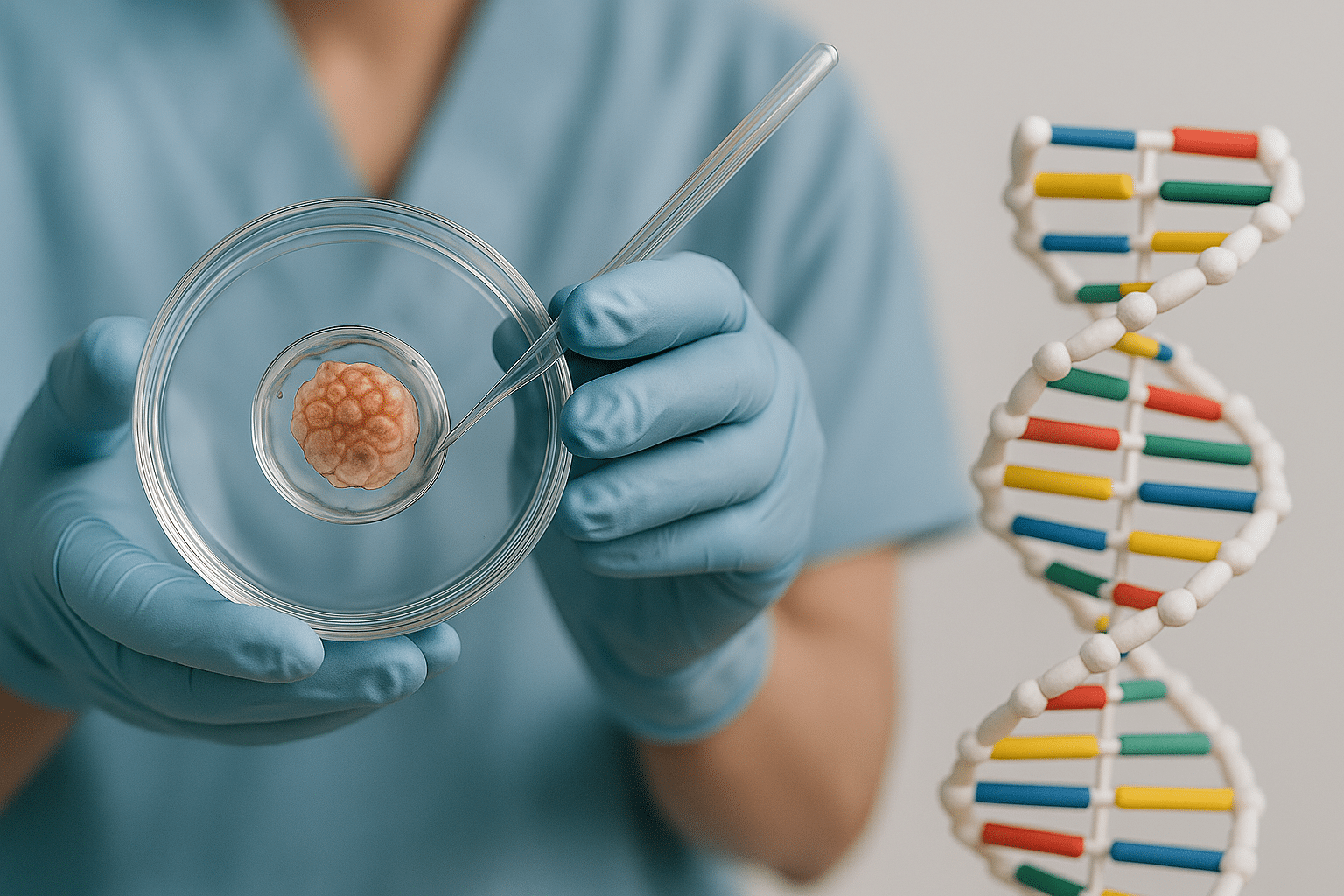
04 Mar Understanding the Timeline of In-vitro Fertilization Treatment
In-vitro fertilization (IVF) is a medical procedure designed to assist with reproduction, and it involves a series of steps that occur over several weeks. By handling egg and sperm cells outside the body, this process helps with fertility or genetic problems. Learning about the IVF timeline helps you prepare for the process. Here is more information on the IVT timeline:
Ovary Stimulation
The first step in the IVF cycle is ovary stimulation, which typically takes 10 to 14 days. During this phase, you will self-administer injectable medications to encourage your ovaries to produce multiple mature eggs. You typically attend regular monitoring appointments, and medical providers use blood tests and ultrasounds to track your progress. The goal is to develop several eggs for retrieval instead of the single egg that normally develops each month.
Egg Retrieval
Egg retrieval is a minor surgical procedure performed at the clinic. It is a timed procedure, and it happens just before ovulation would naturally occur. You receive anesthesia for your comfort during the short process, while the doctor uses ultrasound guidance to locate the follicles in the ovaries.
They guide a thin needle through the vaginal wall to the ovaries. After this step, the needle then suctions the eggs and fluid from each follicle. The retrieved eggs go to the embryologist, and they will then prepare them for the next stage of the in-vitro fertilization process.
Sperm Collection
For some patients, sperm collection happens on the same day as the egg retrieval. Providers collect a fresh semen sample from the male partner or a donor, and they prepare the sample in the lab to isolate the healthiest sperm for fertilization. There are a few methods for sperm collection:
- Masturbation at the clinic or home.
- Extraction if there is a blockage.
- Use of a previously frozen sample.
Fertilization Process
Once the eggs and sperm are in the lab, fertilization begins. An embryologist will assess the maturity and quality of the eggs. Only mature eggs are capable of being fertilized. This assessment helps select ideal candidates for the procedure.
The embryologist uses one of two methods for fertilization. In conventional insemination, they mix and incubate healthy sperm and mature eggs overnight. Another method is intracytoplasmic sperm injection (ICSI), where they inject a single healthy sperm directly into a mature egg. They typically use this method when there are concerns about sperm quality.
After the fertilization attempt, they monitor the eggs to see if they have been fertilized. Fertilized eggs are now called embryos, and they will continue to grow in the laboratory. The embryology team watches their development over the next several days.
Embryo Transfer
This embryo transfer takes place five to six days after the egg retrieval. The procedure is simple and does not require anesthesia. A doctor will transfer one or more embryos into your uterus using a thin, flexible catheter. The number of embryos depends on your specific circumstances and discussions with your care team.
Schedule In-vitro Fertilization
The IVF process involves a structured timeline from stimulation to transfer, and each step is carefully managed over several weeks. Understanding this process provides clarity on what to expect. If you are ready to explore your options, we are here to guide you. Contact a fertility clinic to schedule an IVF consultation with a specialist today.
- Do Gastroenterologists Do Colonoscopies? A Complete Patient Guide
- What Is GW Gastroenterology and What Services Does It Offer?
- What Is NP Gastroenterology and What Does a Gastroenterology Nurse Practitioner Do?
- What Does Gastroenterologiczna Mean in Medical Terms?
- Is Gastro Digest Good for Everyday Digestive Support?
Sorry, the comment form is closed at this time.