


05 Feb How Pulmonary Rehab Supports Patients with Lung Conditions
Pulmonary rehabilitation is a medically supervised program designed to help people with lung conditions improve their breathing and overall quality of life. For individuals managing breathing disorders, this approach can restore healthier breathing function. The program combines education and exercise; it serves as a component of a comprehensive treatment plan. While it does not cure lung disease, it offers significant benefits, helping patients feel better and manage their daily activities more easily.
What is Pulmonary Rehab?
Pulmonary rehab is a specialized program that includes education and exercise. Its goal is to improve breathing function for individuals with lung conditions. Similar to how physical rehab strengthens the musculoskeletal system, this rehab works to enhance the respiratory system. It is a medically supervised program, so healthcare professionals guide patients through the process. While it is a valuable tool that can help you breathe easier, it is not a cure for underlying breathing disorders, which require ongoing management. This approach is often included in a broader treatment plan to provide comprehensive care.
In addition to physical benefits, pulmonary rehab addresses the emotional and psychological challenges associated with chronic lung conditions. Education and group support foster a better understanding of the disease process, and patients often find reassurance in learning symptom management skills. Group environments and consistent feedback from healthcare teams can support coping strategies and promote greater well-being, which means many patients report improved mental outlook alongside physical improvements.
Who Benefits From Rehab?
Many people with chronic respiratory issues can benefit from it. A course of treatment can improve conditions such as chronic obstructive pulmonary disease (COPD), interstitial lung disease, and cystic fibrosis. It is also beneficial for individuals with asthma, pulmonary hypertension, and even lung cancer. The program is customized for each person, and your health needs will determine your specific plan. You will provide feedback on how your body responds to the program, so you play an active role in your own care while your symptoms change throughout the process. A skilled specialist can help determine if this treatment is right for you.
What Happens During Rehab?
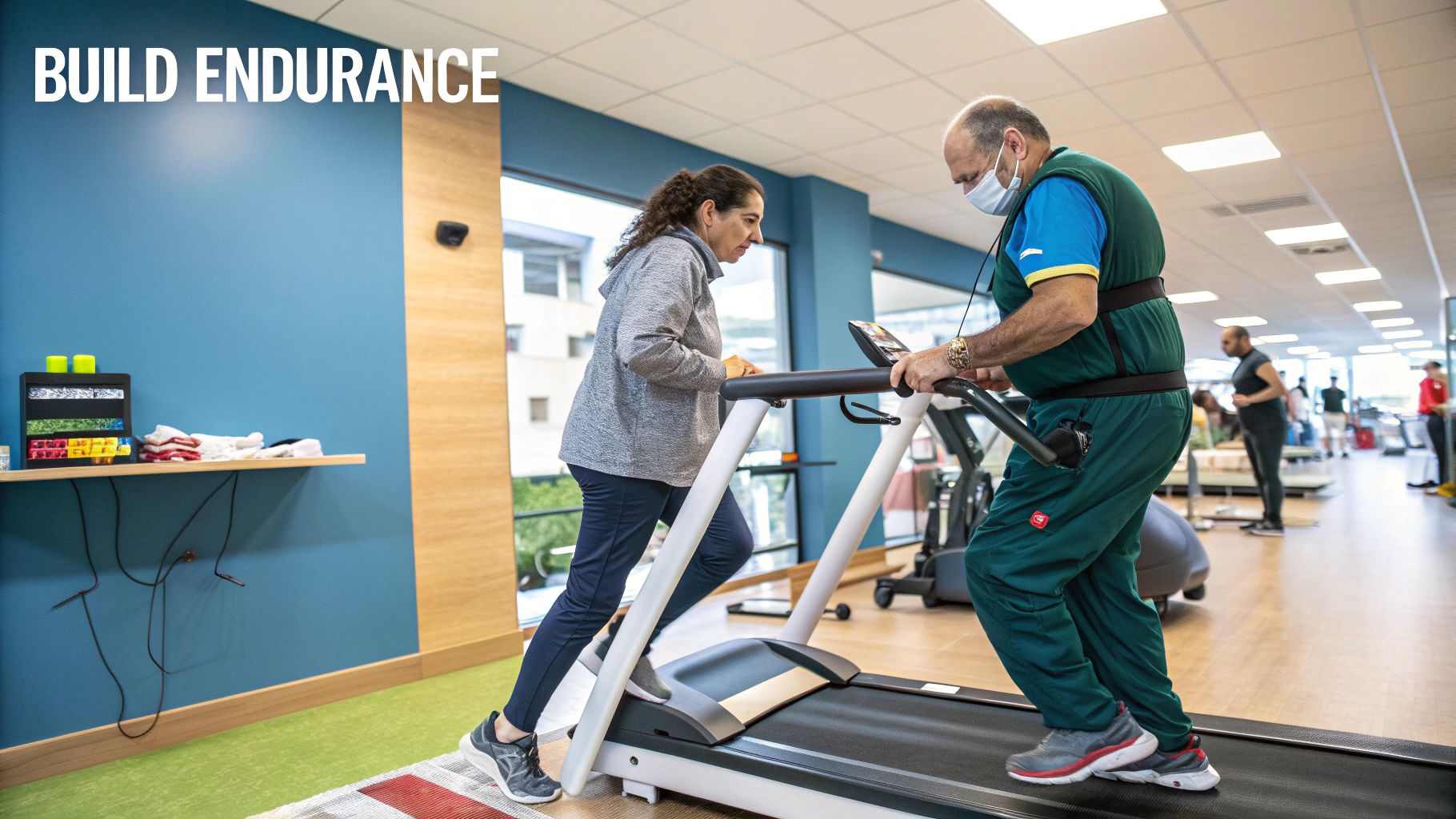
Pulmonary rehab sessions consist of two main components: education and exercise. The educational part teaches you techniques for managing symptoms like shortness of breath. You also learn how to properly use any recommended home medical equipment and manage medications effectively. This knowledge helps you get the best results from your drug therapy. The exercise portion is designed to improve strength and endurance safely. A provider first assesses your current health to create an appropriate exercise plan, and this plan addresses your specific strengths and weaknesses while you learn to exercise without overexertion. This approach ensures a safe and effective path toward better breathing function.
Pulmonary rehabilitation is a multifaceted program that supports patients by combining supervised exercise, education, and personalized care. It is frequently used with other treatments, such as drug therapy, nutritional guidance, and counseling, to enhance a patient’s overall treatment plan.
Find a Clinic
By learning to manage symptoms and improve physical conditioning, individuals can experience a better quality of life. This comprehensive approach helps people with chronic lung conditions to breathe easier and feel better every day. Find a clinic to find relief.
- Do Gastroenterologists Do Colonoscopies? A Complete Patient Guide
- What Is GW Gastroenterology and What Services Does It Offer?
- What Is NP Gastroenterology and What Does a Gastroenterology Nurse Practitioner Do?
- What Does Gastroenterologiczna Mean in Medical Terms?
- Is Gastro Digest Good for Everyday Digestive Support?
Sorry, the comment form is closed at this time.