


05 Feb What’s Involved in a Pediatric Root Canal?
Hearing that your child needs a root canal can seem scary. The procedure is routine and saves the primary tooth from early extraction. A pediatric root canal may seem scary, but a provider can explain the process to you. Because the goal is preservation, the dentist attempts to remove the infection.
Pediatric Root Canal Therapy
Primary teeth act as guides for permanent adult teeth. If a baby tooth is lost early, the neighbors may drift. If teeth are moving, the gap may close. When teeth shift into empty spaces, alignment problems occur, and orthodontic treatment may be needed later. Infection can also damage the developing permanent tooth underneath the baby tooth. A pediatric root canal removes bacteria and prevents the decay from spreading deeper into the jaw. Since the tooth remains in place, the jawbone stays healthy, and the bite stays correct. Premature loss often requires a metal space maintainer to maintain the gap. This device works well, but saving the natural tooth avoids the need for extra hardware. Because natural teeth function best, we prioritize repair and avoid extraction when possible.
Pulpotomy Procedure Explained
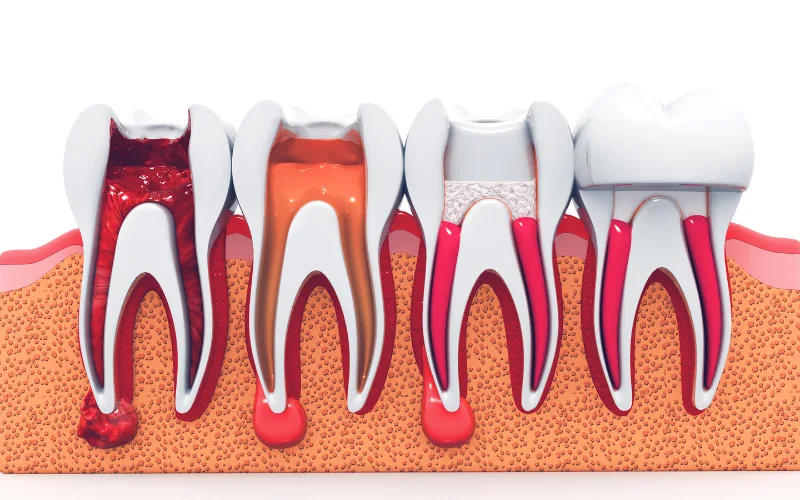
The most common pediatric root canal treatment is called a pulpotomy. The dentist removes infected pulp from the crown, but the root nerves remain intact. Because the root stays alive, the tooth functions normally, and the recovery time is quite short. The dentist starts with imaging to see the shape of the roots. The area is completely numbed, so your child feels no pain during the procedure. Although parents may worry about discomfort, anesthesia is used. Since they are numb, the child should feel little. The dentist places a medicated filling to seal it. Because the medication is specialized, it fills the tooth and helps kill remaining bacteria.
Restore the Treated Tooth
After the pulp treatment is complete, the tooth requires a strong restoration. A treated tooth may need to be treated again, so it is recommended to continue vigilant cleaning. The dentist places a crown to prevent future breakage. A stainless steel crown is often used because it is durable for back teeth. These crowns cover the tooth and withstand daily chewing forces. While white crowns blend in better, steel crowns are stronger, and they last longer. The dentist checks the bite and then cements the crown securely in place. Once the gum heals, the crown feels natural, and your child can eat normally again.
Care for the crown and surrounding teeth to keep them healthy. Encourage your child to brush and floss regularly, as good oral hygiene helps prevent plaque and reduces the risk of gum disease. Routine dental checkups help monitor the crown and confirm it is functioning as intended. If your child experiences any discomfort, contact the dentist promptly. A well-maintained crown provides protection and helps preserve your child’s oral health until the permanent tooth emerges.
Schedule Your Child’s Consultation
Pediatric root canals are routine procedures that help save primary teeth. They prevent premature tooth loss and protect the spacing needed for adult teeth. If your child complains of pain, see a dentist immediately.
- Do Gastroenterologists Do Colonoscopies? A Complete Patient Guide
- What Is GW Gastroenterology and What Services Does It Offer?
- What Is NP Gastroenterology and What Does a Gastroenterology Nurse Practitioner Do?
- What Does Gastroenterologiczna Mean in Medical Terms?
- Is Gastro Digest Good for Everyday Digestive Support?
Sorry, the comment form is closed at this time.