


02 Sep What Do Gastroenterologist Do Besides Performing Colonoscopies?
If you have searched for “do gastroenterologist do,” you may be wondering what a gastroenterologist actually does, what conditions they treat, and when you should see one.
A gastroenterologist is a doctor who specializes in the digestive system. This includes the esophagus, stomach, small intestine, large intestine, rectum, liver, gallbladder, bile ducts, and pancreas.
Gastroenterologists treat many common digestive problems, including acid reflux, constipation, diarrhea, abdominal pain, irritable bowel syndrome, and ulcers. They also diagnose and manage more complex conditions such as Crohn’s disease, ulcerative colitis, liver disease, pancreatitis, and digestive cancers.
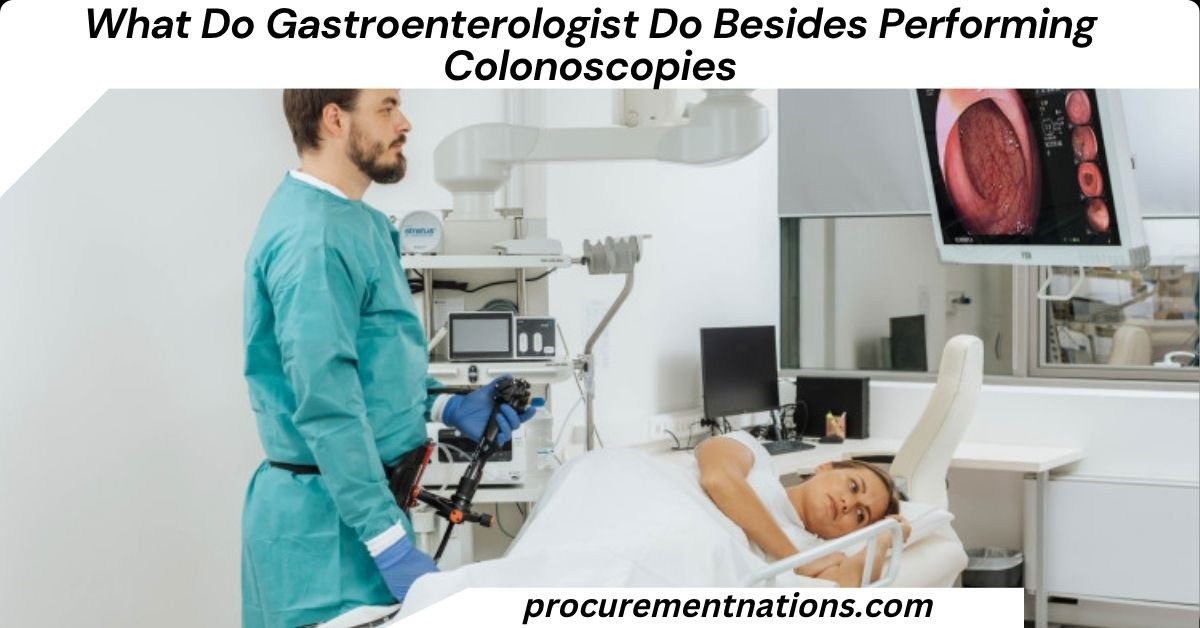
Gastroenterologists also perform procedures such as colonoscopy and upper endoscopy. These procedures allow them to examine the digestive tract, find abnormalities, collect tissue samples, and sometimes treat certain problems.
This guide explains what gastroenterologists do, what conditions they treat, what happens during an appointment, what procedures they perform, and when you may need to see one.
What Does a Gastroenterologist Do?
A gastroenterologist is a medical doctor who specializes in diagnosing and treating diseases of the digestive system.
The digestive system is responsible for breaking down food, absorbing nutrients, moving waste through the body, and supporting many other important functions.
A gastroenterologist can evaluate symptoms, identify possible causes, order tests, prescribe medications, perform procedures, and provide long-term care for digestive conditions.
Some of the main things a gastroenterologist does include:
- Diagnosing digestive diseases
- Treating stomach problems
- Treating intestinal problems
- Managing liver diseases
- Evaluating gallbladder and bile duct problems
- Treating pancreatic conditions
- Performing colonoscopies
- Performing upper endoscopies
- Taking biopsies
- Evaluating digestive bleeding
- Screening for colorectal cancer
- Managing inflammatory bowel disease
- Treating chronic digestive symptoms
- Working with surgeons and other specialists when needed
A gastroenterologist may see patients in a doctor’s office, outpatient clinic, hospital, or endoscopy center.
What Is Gastroenterology?
Gastroenterology is the medical specialty that focuses on the digestive system.
The specialty covers the organs and structures involved in digestion, including:
- Esophagus
- Stomach
- Small intestine
- Large intestine
- Colon
- Rectum
- Liver
- Gallbladder
- Bile ducts
- Pancreas
Gastroenterologists receive specialized medical training after completing medical school and general internal medicine training.
Some gastroenterologists receive additional training in specific areas. These areas may include inflammatory bowel disease, liver disease, advanced endoscopy, pancreatic disorders, digestive cancers, or disorders affecting how the digestive tract moves food and waste.
What Does a Gastroenterologist Treat?
Gastroenterologists treat many different digestive conditions.
Some are common and mild, while others can be chronic or require specialized treatment.
Gastroesophageal Reflux Disease
Gastroesophageal reflux disease, commonly called GERD, is one of the most common conditions involving the upper digestive system.
GERD occurs when stomach contents repeatedly move backward into the esophagus.
Common symptoms include:
- Heartburn
- Acid coming back into the mouth
- A sour taste
- Chest discomfort
- Difficulty swallowing
- Chronic cough in some people
- Throat irritation
Some people with mild heartburn can receive treatment from their primary care doctor. A gastroenterologist may become involved when symptoms continue, become severe, or do not improve with initial treatment.
A gastroenterologist may recommend medication, lifestyle changes, reflux testing, or an upper endoscopy depending on the situation.
Irritable Bowel Syndrome
Irritable bowel syndrome, or IBS, is a common digestive disorder.
It can cause:
- Abdominal pain
- Bloating
- Diarrhea
- Constipation
- Changes in bowel habits
Some people have diarrhea-predominant IBS. Others mainly experience constipation. Some have both.
A gastroenterologist can evaluate symptoms and determine whether they are consistent with IBS or whether another condition needs to be investigated.
Treatment may include dietary changes, lifestyle adjustments, medications, stress management, and other approaches.
Crohn’s Disease
Crohn’s disease is a type of inflammatory bowel disease.
It can cause inflammation in different areas of the digestive tract.
Common symptoms may include:
- Abdominal pain
- Diarrhea
- Weight loss
- Fatigue
- Reduced appetite
- Fever in some cases
Gastroenterologists often provide long-term care for people with Crohn’s disease.
Treatment may involve medications, nutrition support, monitoring, and sometimes surgery in cooperation with a colorectal or other surgeon.
Ulcerative Colitis
Ulcerative colitis is another type of inflammatory bowel disease.
It primarily affects the colon and rectum.
Symptoms can include:
- Frequent bowel movements
- Diarrhea
- Blood in stool
- Abdominal pain
- Urgency to use the bathroom
- Fatigue
Gastroenterologists can diagnose and manage ulcerative colitis and monitor patients over time.
Celiac Disease
Celiac disease is an immune-related condition associated with gluten.
People with celiac disease may experience digestive and non-digestive symptoms.
Possible symptoms include:
- Diarrhea
- Bloating
- Abdominal discomfort
- Weight changes
- Fatigue
- Nutritional deficiencies
A gastroenterologist may order blood tests and, when appropriate, an upper endoscopy with biopsies.
If celiac disease is suspected, it is important to discuss testing with a healthcare professional before removing gluten from the diet because dietary changes can affect some test results.
Gastritis
Gastritis involves inflammation of the stomach lining.
Some people have no symptoms, while others may experience:
- Upper abdominal discomfort
- Nausea
- Indigestion
- Loss of appetite
- Vomiting
- Signs of bleeding in more serious cases
A gastroenterologist may investigate possible causes and recommend treatment based on the underlying problem.
Peptic Ulcers
Peptic ulcers are sores that develop in the lining of the stomach or the upper small intestine.
They can cause abdominal discomfort, although some people have few or no symptoms until complications occur.
A gastroenterologist may use an upper endoscopy to examine the digestive tract and determine whether an ulcer is present.
Testing for certain infections may also be appropriate.
Chronic Diarrhea
Occasional diarrhea is common and often goes away on its own.
Diarrhea that continues for a long time or keeps returning may require medical evaluation.
Possible causes include:
- IBS
- Inflammatory bowel disease
- Celiac disease
- Certain infections
- Food intolerance
- Medication effects
- Microscopic colitis
- Problems absorbing nutrients
A gastroenterologist can determine which tests are appropriate based on the patient’s symptoms.
Chronic Constipation
Constipation can mean having fewer bowel movements than usual, passing hard stools, or having difficulty emptying the bowel.
Long-term constipation may be related to:
- Diet
- Low fluid intake
- Low physical activity
- Medications
- IBS
- Problems with bowel movement
- Pelvic floor disorders
- Other medical conditions
A gastroenterologist can investigate persistent constipation and recommend appropriate treatment.
Abdominal Pain
Abdominal pain is a common reason people see a gastroenterologist.
Pain may occur in the upper abdomen, lower abdomen, or around the entire abdominal area.
Possible causes include:
- Acid reflux
- Gastritis
- Ulcers
- IBS
- Gallstones
- Pancreatic conditions
- Inflammatory bowel disease
- Constipation
- Other digestive problems
Because abdominal pain can have many causes, a doctor will usually consider the location, timing, severity, and other symptoms before deciding what testing is needed.
Gastrointestinal Bleeding
Gastrointestinal bleeding means bleeding somewhere in the digestive tract.
Possible signs include:
- Blood in stool
- Black or tar-like stool
- Vomiting blood
- Unexplained anemia
- Weakness
- Dizziness
GI bleeding can sometimes be serious.
Severe bleeding, fainting, extreme weakness, or other concerning symptoms require urgent medical attention.
A gastroenterologist can investigate the source of bleeding using endoscopy, colonoscopy, imaging, blood tests, or other appropriate methods.
What Procedures Does a Gastroenterologist Perform?
Gastroenterologists receive specialized training in procedures involving the digestive tract.
Common procedures include colonoscopy and upper endoscopy.
Colonoscopy
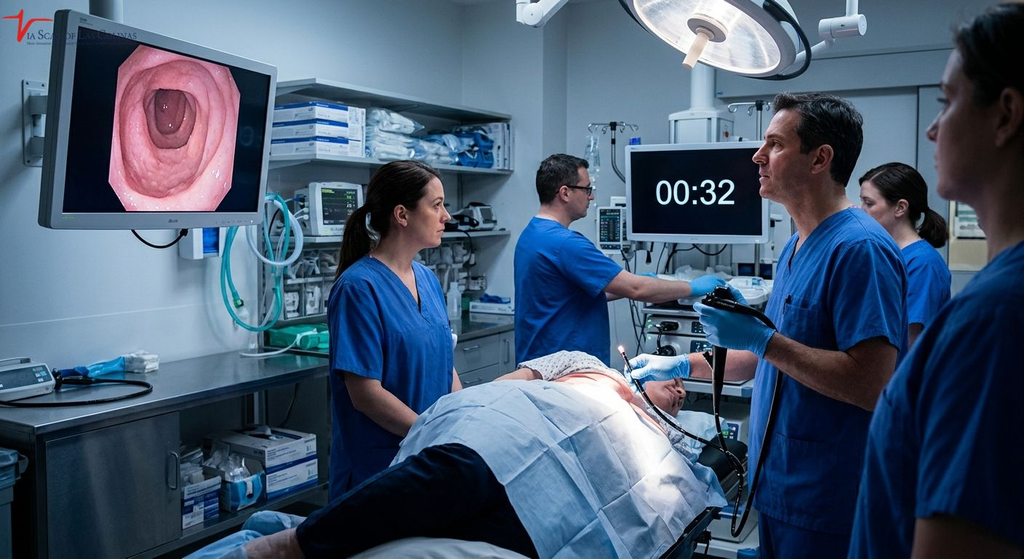
A colonoscopy allows a doctor to examine the inside of the colon.
A flexible tube with a small camera is carefully guided through the large intestine.
During a colonoscopy, a gastroenterologist can:
- Look for polyps
- Look for inflammation
- Investigate bleeding
- Examine abnormal areas
- Remove certain polyps
- Take biopsies
- Investigate changes in bowel habits
- Screen for colorectal cancer
Colonoscopy is an important tool for both cancer screening and diagnosing digestive symptoms.
Upper Endoscopy
Upper endoscopy is also called an EGD.
It allows the gastroenterologist to examine the upper digestive tract, including the:
- Esophagus
- Stomach
- Duodenum
The doctor can look for inflammation, ulcers, bleeding, abnormal tissue, and other problems.
Small tissue samples can also be taken during the procedure.
Flexible Sigmoidoscopy
Flexible sigmoidoscopy examines the lower portion of the large intestine.
It does not examine the entire colon in the same way a colonoscopy does.
A doctor may recommend this procedure for certain symptoms or medical conditions.
ERCP
ERCP stands for endoscopic retrograde cholangiopancreatography.
It is a specialized procedure used to diagnose and treat certain conditions involving the bile ducts and pancreatic ducts.
It may be used in situations involving blocked or abnormal ducts.
Because ERCP is a specialized procedure, it is generally performed by gastroenterologists with appropriate advanced training.
Endoscopic Ultrasound
Endoscopic ultrasound, or EUS, combines an endoscope with ultrasound technology.
It can provide detailed images of structures around the digestive tract.
It may be used to evaluate the:
- Pancreas
- Gallbladder
- Bile ducts
- Esophagus
- Stomach
- Nearby lymph nodes
Some gastroenterologists receive special training to perform EUS.
Do Gastroenterologists Perform Surgery?
Generally, gastroenterologists do not perform traditional surgery.
They are medical specialists rather than surgeons.
However, gastroenterologists can perform many minimally invasive procedures using endoscopes.
For example, a gastroenterologist may remove certain polyps during a colonoscopy without traditional surgery.
If a patient needs an operation, a surgeon usually performs it.
Gastroenterologists and surgeons often work together when a digestive condition requires both medical and surgical treatment.
When Should You See a Gastroenterologist?
You may need to see a gastroenterologist if you have digestive symptoms that are persistent, recurring, severe, or difficult to explain.
Common reasons for seeing a gastroenterologist include:
- Persistent abdominal pain
- Long-lasting diarrhea
- Chronic constipation
- Frequent heartburn
- Difficulty swallowing
- Persistent indigestion
- Repeated vomiting
- Rectal bleeding
- Blood in stool
- Unexplained weight loss
- Unexplained anemia
- Abnormal liver tests
- Suspected Crohn’s disease
- Suspected ulcerative colitis
- Suspected celiac disease
- A family history of certain digestive cancers
- Need for a colonoscopy
- Need for an upper endoscopy
You do not necessarily need a gastroenterologist for every digestive symptom.
A primary care doctor can often evaluate common problems first and refer you to a specialist when necessary.
What Symptoms Does a Gastroenterologist Check?
Gastroenterologists evaluate many different symptoms.
Upper Digestive Symptoms
These may include:
- Heartburn
- Indigestion
- Nausea
- Vomiting
- Upper abdominal pain
- Difficulty swallowing
- Food getting stuck
- Repeated acid reflux
Lower Digestive Symptoms
These can include:
- Diarrhea
- Constipation
- Abdominal cramping
- Bloating
- Rectal bleeding
- Blood in stool
- Mucus in stool
- Changes in bowel habits
General Symptoms
Some digestive diseases can cause general symptoms such as:
- Fatigue
- Unexplained weight loss
- Poor appetite
- Anemia
- Yellow skin or eyes
The presence of one symptom does not necessarily mean that someone has a serious disease.
A gastroenterologist considers the complete medical history and examination.
What Happens During a Gastroenterologist Appointment?
Your first appointment usually starts with a conversation about your symptoms and medical history.
The gastroenterologist may ask:
- What symptoms are you experiencing?
- When did they begin?
- How often do they happen?
- What makes them better or worse?
- What foods affect your symptoms?
- How often do you have bowel movements?
- What do your stools look like?
- What medications do you take?
- Do you have any medical conditions?
- Have you had previous digestive procedures?
- Does anyone in your family have digestive diseases?
The doctor may also perform a physical examination.
After the evaluation, the gastroenterologist may recommend:
- Blood tests
- Stool tests
- Imaging
- Endoscopy
- Colonoscopy
- Other specialized testing
- Medication
- Dietary changes
- Lifestyle changes
- Follow-up care
Not every patient needs every test.
A good medical evaluation focuses on finding the most likely cause of the symptoms while avoiding unnecessary procedures.
What Tests Can a Gastroenterologist Order?
Gastroenterologists use different tests to diagnose digestive conditions.
Blood Tests
Blood tests can provide information about:
- Anemia
- Inflammation
- Liver function
- Pancreatic function
- Nutritional deficiencies
- Infection
- Other health conditions
Blood tests are often combined with other information rather than used alone.
Stool Tests
Stool tests can help investigate:
- Blood
- Infection
- Intestinal inflammation
- Certain digestive disorders
- Problems absorbing nutrients
The specific stool test depends on the symptoms and suspected condition.
Ultrasound
Ultrasound uses sound waves to create images of internal organs.
It can be especially useful for examining structures such as the liver and gallbladder.
CT Scan
A CT scan can provide detailed images of the abdomen and pelvis.
It may help doctors evaluate abdominal pain, inflammation, bleeding, masses, and other conditions.
MRI
MRI uses magnetic fields and radio waves to create detailed images.
Certain MRI-based tests can provide useful information about the liver, bile ducts, pancreas, and intestines.
Breath Tests
Breath tests may be used for certain digestive conditions.
Depending on the test, they may help evaluate specific types of carbohydrate intolerance or other digestive issues.
Why Does a Gastroenterologist Take a Biopsy?
A biopsy is a small tissue sample collected for laboratory examination.
Having a biopsy does not automatically mean that cancer is suspected.
Doctors take biopsies for many reasons.
For example, a biopsy may help investigate:
- Inflammation
- Celiac disease
- Certain infections
- Abnormal tissue
- Precancerous changes
- Cancer
- Other microscopic conditions
A pathologist examines the tissue and provides a report to the treating doctor.
Do Gastroenterologists Treat GERD?
Yes.
Gastroenterologists commonly diagnose and treat GERD.
Treatment may include:
- Dietary changes
- Lifestyle changes
- Acid-reducing medicines
- Other medications
- Testing
- Endoscopic treatment in selected cases
- Referral for surgery in selected cases
People with mild, occasional heartburn may not need specialist care.
However, persistent symptoms, difficulty swallowing, bleeding, unexplained weight loss, or symptoms that do not improve with treatment may require further evaluation.
Do Gastroenterologists Treat Hemorrhoids?
Gastroenterologists can evaluate hemorrhoids and symptoms involving the rectal area.
However, treatment depends on the specific problem.
Some hemorrhoids can be managed with lifestyle changes and medications.
Other cases may require a procedure or referral to a colorectal surgeon.
It is important not to assume that all rectal bleeding comes from hemorrhoids.
Other conditions can also cause bleeding, including polyps, inflammatory bowel disease, diverticular disease, and colorectal cancer.
Can a Gastroenterologist Help With Bloating and Gas?
Yes.
Bloating and excessive gas are common digestive complaints.
Possible causes include:
- Eating certain foods
- Constipation
- Food intolerance
- IBS
- Celiac disease
- Changes in gut movement
- Certain medications
- Other digestive conditions
A gastroenterologist can review your symptoms and decide whether testing is needed.
Keeping a record of foods, symptoms, and bowel movements can sometimes help identify patterns.
Can a Gastroenterologist Treat Constipation?
Yes.
Gastroenterologists commonly evaluate and treat chronic constipation.
Treatment may include:
- Increasing fiber when appropriate
- Drinking enough fluids
- Regular physical activity
- Bowel training
- Over-the-counter treatments
- Prescription medications
- Treatment of an underlying condition
If constipation does not improve with basic treatment, additional testing may be considered.
Some people have problems with how the colon moves stool. Others have problems with the muscles involved in bowel movements.
Finding the underlying cause can help guide treatment.
Can a Gastroenterologist Treat Diarrhea?
Yes.
A gastroenterologist can investigate both short-term and chronic diarrhea.
Short-term diarrhea is often caused by infection, food-related illness, or other temporary problems.
Long-term diarrhea can have many causes.
The doctor may ask about:
- Diet
- Recent travel
- Medications
- Bowel habits
- Weight changes
- Family history
- Other symptoms
Testing may include blood tests, stool tests, imaging, or endoscopy depending on the situation.
What Is the Difference Between a Gastroenterologist and a Primary Care Doctor?
A primary care doctor provides broad medical care.
A gastroenterologist focuses specifically on the digestive system.
For example, a primary care doctor may initially treat mild heartburn or constipation.
If symptoms continue or appear more complicated, the primary care doctor may refer the patient to a gastroenterologist.
The two doctors can work together.
Having a primary care doctor does not replace specialist care when a digestive condition requires specialized evaluation.
What Is the Difference Between a Gastroenterologist and a Colorectal Surgeon?
A gastroenterologist primarily provides medical treatment and specialized digestive procedures.
A colorectal surgeon specializes in surgical conditions involving the:
- Colon
- Rectum
- Anus
For example, a person with inflammatory bowel disease may see a gastroenterologist for medication and disease management.
If surgery becomes necessary, the patient may also see a colorectal surgeon.
These specialists often work together.
What Is the Difference Between a Gastroenterologist and a Hepatologist?
A hepatologist focuses mainly on liver diseases.
A gastroenterologist covers the broader digestive system.
Some gastroenterologists also have advanced expertise in liver disease.
People with complicated liver problems may therefore be treated by a gastroenterologist with liver expertise or a hepatologist.
How Should You Prepare for a Gastroenterologist Appointment?
Preparing for your appointment can help make the visit more productive.
Consider bringing:
- A list of current medications
- A list of vitamins and supplements
- Previous test results
- Imaging reports
- Previous endoscopy reports
- Previous colonoscopy reports
- Information about family medical history
- A list of your main symptoms
Write down your questions before the appointment.
It can also be helpful to record when your symptoms occur and whether certain foods, medications, or activities appear to affect them.
If you are having a procedure, follow the preparation instructions provided by the medical team.
What Questions Should You Ask a Gastroenterologist?
You can ask your gastroenterologist questions such as:
- What could be causing my symptoms?
- Do I need any tests?
- What is each test designed to find?
- Do I need a colonoscopy?
- Do I need an upper endoscopy?
- What should I do before my procedure?
- What are the possible risks?
- What treatment options are available?
- Could any of my medications be causing my symptoms?
- When should I return for follow-up?
Do not be afraid to ask your doctor to explain medical terms in simple language.
Are Gastroenterology Procedures Safe?
Gastrointestinal procedures are commonly performed in the United States.
Most procedures are considered safe when they are medically appropriate and performed by properly trained professionals.
However, every medical procedure has potential risks.
Depending on the procedure, possible risks may include:
- Bleeding
- Infection
- Reaction to sedation
- Injury to the digestive tract
- Abdominal discomfort
- Other complications
Before a procedure, the healthcare team should explain the benefits, risks, preparation, and possible alternatives.
If you have concerns, discuss them with your gastroenterologist before the procedure.
When Is a Digestive Problem an Emergency?
Some digestive symptoms require immediate medical attention.
Seek emergency care if you experience symptoms such as:
- Severe or rapidly worsening abdominal pain
- Vomiting blood
- Large amounts of blood in the stool
- Black, tar-like stools accompanied by concerning symptoms
- Fainting
- Severe weakness
- Confusion
- Severe dehydration
- Severe difficulty swallowing or breathing
Do not wait for a regular gastroenterology appointment if you believe you are experiencing a medical emergency.
Do You Need a Referral to See a Gastroenterologist?
Whether you need a referral depends on your health insurance plan.
Some insurance plans allow patients to make appointments with specialists directly.
Other plans require a referral from a primary care doctor.
Before scheduling an appointment, check your insurance requirements.
You can also contact the gastroenterology office and ask whether a referral or insurance authorization is required.
How Do You Choose a Gastroenterologist?
Choosing the right gastroenterologist can make your healthcare experience easier.
Consider factors such as:
- Medical qualifications
- Board certification
- Experience with your condition
- Experience performing needed procedures
- Hospital affiliation
- Insurance participation
- Appointment availability
- Location
- Communication style
For complex digestive conditions, it can be helpful to find a doctor who has specific experience with your diagnosis.
Patient reviews can provide additional information, but they should not be the only factor used to choose a medical specialist.
Does Every Gastroenterologist Perform Colonoscopies?
Many gastroenterologists perform colonoscopies, but the services offered can vary between doctors and medical practices.
Some gastroenterologists focus heavily on procedures.
Others may focus more on specific medical conditions, such as inflammatory bowel disease, liver disease, or digestive motility disorders.
If you need a specific procedure, ask the doctor’s office whether the gastroenterologist performs it and where it will take place.
Do Gastroenterologists Treat Cancer?
Gastroenterologists play an important role in detecting and diagnosing digestive cancers.
They may discover abnormal areas during an endoscopy or colonoscopy.
They can also take biopsies and sometimes remove certain abnormal growths.
However, cancer treatment usually involves several specialists.
Depending on the cancer, a healthcare team may include:
- Gastroenterologist
- Surgeon
- Medical oncologist
- Radiation oncologist
- Radiologist
- Pathologist
- Primary care doctor
The exact role of the gastroenterologist depends on the type and stage of cancer.
Why Is Colonoscopy Important?
Colonoscopy is an important procedure for examining the large intestine.
It can be used to investigate digestive symptoms and screen for colorectal cancer.
One important benefit is that certain polyps can be removed during the procedure.
Removing certain precancerous polyps can help prevent colorectal cancer from developing.
Colonoscopy may also help doctors investigate:
- Rectal bleeding
- Changes in bowel habits
- Unexplained anemia
- Abdominal symptoms
- Abnormal findings from other tests
Screening recommendations depend on factors such as age, personal history, family history, and other risk factors.
Common Misunderstandings About Gastroenterologists
“A gastroenterologist only treats stomach problems.”
This is not true.
Gastroenterologists treat the entire digestive system and related organs.
Their work includes the esophagus, stomach, intestines, colon, liver, gallbladder, bile ducts, and pancreas.
“You only need a gastroenterologist if you have cancer.”
This is also incorrect.
Gastroenterologists treat many common conditions, including GERD, IBS, constipation, diarrhea, ulcers, gastritis, and inflammatory bowel disease.
“A colonoscopy means you have cancer.”
No.
A colonoscopy is used for cancer screening as well as the evaluation of many digestive symptoms.
Finding a polyp or another abnormality does not automatically mean cancer is present.
“Every digestive problem needs an endoscopy.”
Not necessarily.
Many digestive problems can be evaluated without an endoscopy.
The doctor decides whether an endoscopy is appropriate based on symptoms, medical history, examination, age, risk factors, and previous test results.
What Makes a Good Gastroenterologist?
A good gastroenterologist needs more than procedural skills.
Important qualities include:
- Strong medical knowledge
- Good diagnostic skills
- Careful listening
- Clear communication
- Appropriate use of testing
- Experience with relevant procedures
- Good follow-up
- Respect for patient concerns
- Ability to work with other specialists
A good gastroenterologist should explain your condition and treatment options in language you can understand.
You should feel comfortable asking questions about your diagnosis, tests, medications, and treatment.
What Happens After Gastroenterology Testing?
The next step depends on the results.
Sometimes testing does not find a major structural problem.
That does not necessarily mean that your symptoms are not real.
Some digestive disorders are diagnosed mainly from symptoms and medical history rather than a visible abnormality on a scan or endoscopy.
If testing finds an abnormality, your doctor may recommend:
- Medication
- Dietary changes
- Additional testing
- A procedure
- Regular monitoring
- Referral to another specialist
Test results should always be interpreted together with your symptoms and medical history.
Why Online Information About Gastroenterologists Can Be Misleading
Online searches can be useful when preparing for a doctor’s appointment, but medical information on the internet is not always complete or accurate.
Digestive symptoms can have many possible causes.
For example, bloating may be related to constipation, diet, IBS, food intolerance, or another medical condition.
Similarly, abdominal pain can have digestive and non-digestive causes.
A search engine cannot perform a physical examination or review your complete medical history.
Use online information to prepare questions, not to replace professional medical care.
Frequently Asked Questions About Gastroenterologists
1. Can a gastroenterologist prescribe medication?
Yes. Gastroenterologists are medical doctors who can prescribe medications when appropriate.
The type of medication depends on the diagnosis.
Treatment may include medicines for acid reflux, inflammatory bowel disease, constipation, diarrhea, infections, or other digestive conditions.
Do not stop or change a prescribed medicine without discussing it with your healthcare professional.
2. Can a gastroenterologist diagnose food intolerance?
A gastroenterologist can evaluate symptoms that may be connected to food intolerance.
Some food-related conditions have specific tests, while others are evaluated using symptoms, medical history, and carefully planned dietary changes.
It is important not to eliminate many foods from your diet without appropriate guidance because unnecessary restrictions can lead to nutritional problems.
3. Can a gastroenterologist treat digestive problems caused by medication?
Yes.
Some medications can affect the stomach, intestines, liver, or other parts of the digestive system.
A gastroenterologist may review your medications and determine whether one could be contributing to your symptoms.
Do not stop an important medication on your own.
Your gastroenterologist can work with your primary care doctor or another prescribing clinician when a medication change is being considered.
4. Can a gastroenterologist investigate unexplained anemia?
Yes.
Unexplained anemia can sometimes be related to blood loss or problems involving the digestive tract.
A gastroenterologist may investigate possible digestive causes using blood tests, endoscopy, colonoscopy, or other testing when appropriate.
The type of evaluation depends on the person’s age, symptoms, medical history, and laboratory results.
5. Can a gastroenterologist help when digestive tests are normal?
Yes.
Normal test results do not mean that there is no possible treatment.
Some digestive conditions do not cause obvious changes on routine imaging or endoscopy.
A gastroenterologist may consider functional digestive disorders, medication effects, diet, bowel function, or other causes.
Treatment can still be helpful even when major structural disease has not been found.
Conclusion
So, what do gastroenterologists do?
Gastroenterologists are specialized doctors who diagnose, treat, and manage conditions affecting the digestive system. Their work goes far beyond treating simple stomach problems.
They care for the esophagus, stomach, intestines, colon, liver, gallbladder, bile ducts, and pancreas. They treat common problems such as heartburn, constipation, diarrhea, bloating, and abdominal pain, as well as more complex conditions such as Crohn’s disease, ulcerative colitis, celiac disease, liver disease, pancreatitis, and digestive cancers.
Gastroenterologists also perform important procedures. Colonoscopy and upper endoscopy allow them to examine the digestive tract, identify abnormalities, take biopsies, and perform certain treatments.
Not every digestive symptom requires a specialist. A primary care doctor can often evaluate common problems and determine whether a gastroenterology referral is appropriate. However, persistent or concerning symptoms may require specialized evaluation.
Understanding what a gastroenterologist does can make it easier to know when to seek digestive care and what to expect from your appointment.
If you are experiencing ongoing digestive symptoms, have abnormal test results, or have been advised to see a GI specialist, discussing your concerns with a qualified healthcare professional is an important next step.
Sorry, the comment form is closed at this time.