



29 Aug Can a Gastroenterologist Help With Digestive Problems? A Complete Guide
If you are searching for “can a gastroenterologist,” you may be wondering what these doctors treat, what tests they perform, or whether you need a referral to see one. A gastroenterologist is a medical specialist who focuses on the digestive system, including the esophagus, stomach, small intestine, colon, rectum, liver, gallbladder, and pancreas.
They can evaluate symptoms such as ongoing abdominal pain, heartburn, diarrhea, constipation, bloating, nausea, swallowing problems, rectal bleeding, and unexplained changes in bowel habits. They can also diagnose and manage conditions such as acid reflux, irritable bowel syndrome (IBS), inflammatory bowel disease (IBD), celiac disease, ulcers, hepatitis, and many other gastrointestinal disorders.
This guide explains what a gastroenterologist can do, when you may need one, what tests they may recommend, and answers common questions people ask about food intolerance, hernias, hemorrhoids, referrals, and colonoscopy.
What Is a Gastroenterologist?
A gastroenterologist is a physician who specializes in diagnosing and treating diseases and disorders of the digestive system.
The digestive system is responsible for breaking down food, absorbing nutrients, removing waste, and supporting several important functions throughout the body. Problems in one part of this system can sometimes affect other areas.
Gastroenterologists commonly treat problems involving:
- Esophagus
- Stomach
- Small intestine
- Large intestine and colon
- Rectum and anus
- Liver
- Gallbladder
- Bile ducts
- Pancreas
Gastroenterologists receive additional medical training after medical school and residency. Their specialty includes both medical treatment and procedures used to investigate digestive symptoms.
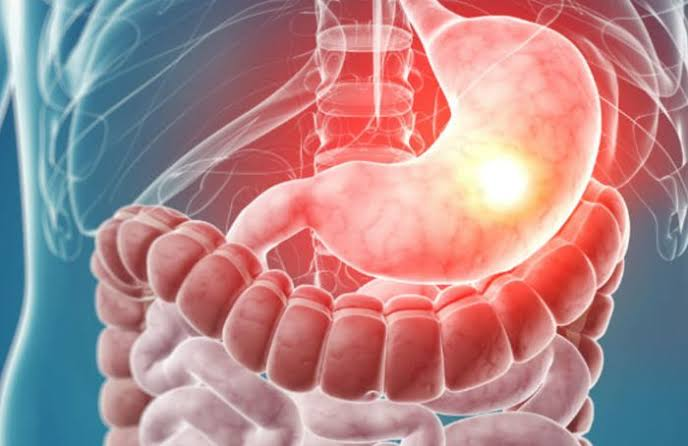
What Does a Gastroenterologist Do?
A gastroenterologist can perform several different roles depending on a patient’s symptoms and diagnosis.
They may:
- Review your medical and family history
- Perform a physical examination
- Evaluate digestive symptoms
- Order blood, stool, breath, or imaging tests
- Perform endoscopic procedures
- Diagnose gastrointestinal conditions
- Treat digestive diseases
- Monitor chronic digestive conditions
- Recommend dietary or lifestyle changes
- Refer patients to surgeons or other specialists when needed
A gastroenterologist does not automatically perform every test or procedure for every symptom. The appropriate evaluation depends on your medical history, symptoms, age, risk factors, and previous test results.
What Conditions Can a Gastroenterologist Treat?
Gastroenterologists treat a wide range of digestive conditions.
Common examples include:
Acid Reflux and GERD
Gastroesophageal reflux disease, commonly called GERD, occurs when stomach contents repeatedly flow backward into the esophagus.
Symptoms can include:
- Heartburn
- Sour or bitter taste
- Regurgitation
- Chest or upper abdominal discomfort
- Difficulty swallowing
- Chronic cough in some people
A gastroenterologist may recommend lifestyle changes, medications, testing, or an upper endoscopy depending on the symptoms.
Irritable Bowel Syndrome
Irritable bowel syndrome can cause abdominal discomfort along with changes in bowel habits.
People with IBS may experience:
- Diarrhea
- Constipation
- Alternating diarrhea and constipation
- Bloating
- Abdominal cramping
IBS is generally diagnosed based on symptoms and appropriate evaluation rather than a single diagnostic test.
Inflammatory Bowel Disease
Inflammatory bowel disease includes Crohn’s disease and ulcerative colitis.
These conditions can cause:
- Persistent diarrhea
- Abdominal pain
- Rectal bleeding
- Weight loss
- Fatigue
- Changes in bowel habits
Gastroenterologists often manage IBD over many years and may use medications, laboratory testing, imaging, and colonoscopy to monitor the disease.
Celiac Disease
Celiac disease is an immune-mediated condition triggered by gluten in genetically susceptible individuals.
Possible symptoms include:
- Diarrhea
- Bloating
- Abdominal discomfort
- Weight loss
- Fatigue
- Nutritional deficiencies
Evaluation can involve blood testing and, in appropriate circumstances, an upper endoscopy with small-intestinal biopsies.
Peptic Ulcers
Peptic ulcers are sores that develop in the lining of the stomach or duodenum.
Possible symptoms include:
- Upper abdominal pain
- Nausea
- Indigestion
- Bloating
- Feeling full quickly
Some ulcers can cause serious bleeding. A gastroenterologist can help determine the cause and appropriate treatment.
Can a Gastroenterologist Test for Food Intolerance?
Yes, a gastroenterologist can evaluate symptoms that may be caused by food intolerance, but there is not one universal test for every food intolerance.
The evaluation depends on the suspected problem.
For example, lactose intolerance can sometimes be evaluated using a hydrogen breath test. Other food-related conditions may require blood tests, an elimination diet supervised by a healthcare professional, or other diagnostic approaches.
It is also important to distinguish food intolerance from a food allergy.
A food allergy involves an immune response and can potentially cause serious reactions. Food intolerance usually refers to difficulty digesting or processing a particular food or food component and generally does not involve the same immune mechanism as an allergy.
A gastroenterologist may also investigate whether symptoms blamed on food are actually related to another digestive condition, such as IBS, celiac disease, inflammatory bowel disease, or another gastrointestinal disorder.
If you regularly experience symptoms after eating, keeping a food and symptom diary can give your doctor useful information.
Can a Gastroenterologist Diagnose a Hernia?
A gastroenterologist may be able to evaluate and diagnose some types of hernias, particularly when digestive symptoms are involved.
A hernia occurs when an internal organ or tissue pushes through a weakened area of surrounding muscle or connective tissue.
Common types include:
- Hiatal hernia
- Inguinal hernia
- Incisional hernia
- Umbilical hernia
A hiatal hernia is particularly relevant to gastroenterology because part of the stomach moves through the diaphragm into the chest area. It can be associated with GERD symptoms.
Depending on the suspected hernia, diagnosis may involve a physical examination, endoscopy, X-ray, CT scan, ultrasound, or another imaging study.
Some hernias require evaluation by a surgeon, especially if they cause significant symptoms or complications.
Sudden severe pain, vomiting, inability to pass stool or gas, or a painful lump that cannot be pushed back into place can indicate a potentially serious complication and requires urgent medical attention.
Can a Gastroenterologist Remove Hemorrhoids During a Colonoscopy?
Usually, a colonoscopy is not primarily a hemorrhoid-removal procedure.
During a colonoscopy, a gastroenterologist examines the lining of the rectum and colon using a flexible camera. Hemorrhoids may be visible during the examination, particularly when the lower rectum is assessed.
However, simply seeing hemorrhoids during a colonoscopy does not mean they will be removed during the same procedure.
Treatment depends on:
- Whether the hemorrhoids are internal or external
- Their size and severity
- Symptoms
- Bleeding
- Previous treatments
- The physician’s procedure plan
Some internal hemorrhoids can be treated with office-based procedures such as rubber band ligation. Other cases may require different treatments or referral to a colorectal surgeon.
If you are having a colonoscopy and also have hemorrhoid symptoms, tell your gastroenterologist before the procedure. They can explain whether treatment can be performed at the same time or whether a separate appointment is more appropriate.
Can I See a Gastroenterologist Without a Referral?
Whether you can see a gastroenterologist without a referral depends largely on your health insurance plan and the healthcare system you use.
In the United States, some insurance plans allow patients to make appointments directly with specialists, while others require a referral from a primary care physician.
For example, a health maintenance organization (HMO) may have referral requirements, while some preferred provider organization (PPO) plans may allow direct specialist appointments.
Even if your insurance does not require a referral, a gastroenterology practice may have its own scheduling or medical-record requirements.
Before making an appointment, consider checking:
- Whether your insurance requires a referral.
- Whether the gastroenterologist is in your insurance network.
- Whether your plan requires prior authorization for certain procedures.
- Whether your primary care records or previous test results should be sent to the specialist.
If you are unsure, your insurance company and the gastroenterology office can usually clarify the requirements.
When Should You See a Gastroenterologist?
Not every digestive symptom requires a specialist. Mild, short-term symptoms may improve with basic care or treatment from a primary care clinician.
A gastroenterologist may be appropriate when symptoms are persistent, recurrent, severe, unexplained, or difficult to manage.
You may want to discuss a gastroenterology referral if you have:
- Persistent abdominal pain
- Recurrent heartburn
- Difficulty swallowing
- Ongoing diarrhea
- Chronic constipation
- Blood in your stool
- Unexplained weight loss
- Persistent bloating
- Recurrent nausea or vomiting
- Abnormal liver tests
- Unexplained anemia
- A family history of certain gastrointestinal diseases
- Persistent changes in bowel habits
The right specialist depends on the specific problem. For example, a person with suspected gallbladder disease may require imaging, while someone with a surgical condition may eventually need a surgeon.
Digestive Symptoms That Should Not Be Ignored
Some symptoms can indicate a potentially serious medical problem.
Seek prompt medical attention for symptoms such as:
- Significant rectal bleeding
- Black, tarry stools
- Vomiting blood
- Severe or rapidly worsening abdominal pain
- Persistent vomiting
- Fainting or severe weakness associated with bleeding
- Difficulty swallowing that is getting worse
- Unexplained major weight loss
- Severe dehydration
A medical emergency should be evaluated in an emergency department rather than waiting for a routine gastroenterology appointment.
What Tests Can a Gastroenterologist Perform?
A gastroenterologist can order or perform many different tests.
The choice depends on the suspected diagnosis.
Blood Tests
Blood tests can help evaluate:
- Anemia
- Inflammation
- Liver function
- Pancreatic problems
- Celiac disease
- Nutritional deficiencies
- Infection in selected situations
Blood tests usually provide clues rather than a complete diagnosis.
Stool Tests
Stool testing may be used to evaluate:
- Gastrointestinal infections
- Blood
- Inflammation
- Certain digestive problems
Specific tests depend on the symptoms and clinical situation.
Breath Tests
Breath testing may be used in selected patients to evaluate problems such as lactose intolerance or certain carbohydrate malabsorption conditions.
Some breath tests are also used when small intestinal bacterial overgrowth is suspected, although interpretation and appropriate use depend on the clinical setting.
Ultrasound
Ultrasound can be particularly useful for evaluating structures such as:
- Gallbladder
- Liver
- Bile ducts
- Pancreas in selected circumstances
It uses sound waves rather than radiation.
CT Scans
A CT scan can provide detailed images of the abdomen and pelvis.
It may help evaluate:
- Abdominal pain
- Inflammation
- Certain tumors
- Complications of gastrointestinal disease
- Some types of hernias
- Problems involving abdominal organs
CT uses ionizing radiation, so doctors generally recommend it when the expected medical benefit outweighs the risks.
Upper Endoscopy
An upper endoscopy, also called esophagogastroduodenoscopy or EGD, allows a gastroenterologist to examine the:
- Esophagus
- Stomach
- Duodenum
It may help investigate symptoms such as difficulty swallowing, persistent upper abdominal symptoms, certain types of bleeding, or suspected ulcers.
Small tissue samples, called biopsies, can sometimes be collected during the procedure.
Colonoscopy
A colonoscopy allows a doctor to examine the inside of the:
- Rectum
- Colon
It can be used for both diagnosis and colorectal cancer screening.
During a colonoscopy, a physician may also remove certain polyps or take biopsies when appropriate.
What Happens During a Colonoscopy?
A colonoscopy requires preparation because the colon needs to be sufficiently clean for the doctor to see its lining.
Preparation commonly involves dietary instructions and a bowel-cleansing medication.
On the day of the procedure, patients generally receive instructions about medications, food, and liquids.
Many colonoscopies involve sedation or anesthesia administered according to the patient’s health, the facility’s practices, and the procedure plan.
During the examination, the gastroenterologist guides a flexible colonoscope through the colon.
If a polyp is found, it may be removed when appropriate. Tissue can also be collected for laboratory examination.
Because sedation can affect alertness and coordination, patients generally need to arrange transportation home according to their facility’s instructions.
What Is the Difference Between a Gastroenterologist and a Colorectal Surgeon?
These specialists can both care for patients with gastrointestinal problems, but their training and typical roles differ.
A gastroenterologist specializes in medical diagnosis and treatment of digestive diseases and performs procedures such as colonoscopy and upper endoscopy.
A colorectal surgeon specializes in surgical treatment of conditions involving the colon, rectum, and anus.
For example, a gastroenterologist may diagnose inflammatory bowel disease and manage it medically. If a patient develops a complication requiring surgery, a colorectal surgeon may become involved.
Care is often collaborative rather than limited to one specialist.
Can a Gastroenterologist Treat Constipation?
Yes. Gastroenterologists frequently evaluate and treat chronic or difficult-to-manage constipation.
They may investigate:
- Diet and fluid intake
- Medication side effects
- Bowel habits
- Pelvic floor problems
- IBS with constipation
- Structural problems
- Neurological or metabolic causes
Treatment may include dietary changes, increased physical activity when appropriate, medications, bowel-training strategies, or specialized testing.
Long-term constipation accompanied by rectal bleeding, unexplained weight loss, severe pain, or a major change in bowel habits deserves medical evaluation.
Can a Gastroenterologist Treat Diarrhea?
Yes. Persistent diarrhea is a common reason for gastroenterology evaluation.
Possible causes include:
- Infection
- Food intolerance
- Medication effects
- IBS
- Inflammatory bowel disease
- Celiac disease
- Microscopic colitis
- Malabsorption
- Other gastrointestinal disorders
The doctor may use blood tests, stool tests, imaging, colonoscopy, or biopsies depending on the symptoms.
Diarrhea that is severe or accompanied by dehydration, significant bleeding, high fever, or severe abdominal pain may require urgent evaluation.
Can a Gastroenterologist Treat Acid Reflux?
Yes. Gastroenterologists commonly treat GERD and related upper digestive conditions.
Initial management may involve lifestyle measures and medications when appropriate.
A specialist may recommend further testing when:
- Symptoms persist despite treatment
- Symptoms are severe
- There are alarm symptoms
- The diagnosis is uncertain
- Long-term management needs reassessment
Testing can include upper endoscopy or specialized reflux testing in selected cases.
Can a Gastroenterologist Treat Hemorrhoids?
A gastroenterologist can evaluate hemorrhoids and may provide certain treatments, particularly for internal hemorrhoids.
However, treatment depends on the type and severity of the hemorrhoids.
Conservative treatment may include:
- Increasing dietary fiber
- Adequate fluid intake
- Avoiding excessive straining
- Managing constipation
- Short-term symptom relief measures when appropriate
Some patients may benefit from office procedures. More complicated cases may require evaluation by a colorectal surgeon.
Rectal bleeding should not automatically be assumed to be caused by hemorrhoids. Other conditions can also cause bleeding, which is why persistent or unexplained bleeding should be evaluated.
Can a Gastroenterologist Diagnose Stomach Problems?
Yes. Gastroenterologists diagnose many conditions affecting the stomach.
These may include:
- Gastritis
- Peptic ulcers
- H. pylori infection
- Functional dyspepsia
- Certain stomach cancers
- Other gastric disorders
The evaluation may involve medical history, physical examination, laboratory testing, H. pylori testing, imaging, or upper endoscopy.
Can a Gastroenterologist Diagnose Liver Problems?
Gastroenterologists can evaluate many liver disorders, although some patients may be referred to a hepatologist, a physician with specialized expertise in liver disease.
Gastroenterologists may evaluate:
- Fatty liver disease
- Viral hepatitis
- Abnormal liver enzymes
- Cirrhosis
- Certain autoimmune liver conditions
- Liver-related digestive complications
Evaluation can include blood tests, ultrasound, CT or MRI, elastography, and sometimes liver biopsy depending on the situation.
What Should You Expect at Your First Gastroenterologist Appointment?
Your first appointment usually begins with a detailed discussion of your symptoms and medical history.
The doctor may ask:
- When did your symptoms begin?
- How often do they happen?
- What makes them better or worse?
- Are they related to meals?
- Have your bowel habits changed?
- Have you noticed bleeding?
- Have you lost weight without trying?
- What medications and supplements do you take?
- Do digestive diseases run in your family?
- What tests have already been performed?
A physical examination may follow.
Depending on your symptoms, the doctor may recommend testing, treatment, observation, or follow-up.
How to Prepare for a Gastroenterology Appointment
You can make your appointment more productive by preparing a few details in advance.
Consider bringing or recording:
- A list of medications
- Supplements you take
- Previous medical test results
- Your surgical history
- Relevant family medical history
- A list of your symptoms
- When symptoms occur
- Foods that appear to trigger symptoms
- Questions you want to ask
If your symptoms involve bowel movements, it may be useful to record changes in frequency, consistency, color, and the presence of blood.
Do not stop prescription medications simply because you have an upcoming appointment unless a healthcare professional tells you to do so.
How Do Gastroenterologists Decide Which Test You Need?
A common misconception is that digestive symptoms automatically mean a patient needs an endoscopy or colonoscopy.
In reality, doctors generally begin with the clinical history and examination.
They then consider factors such as:
- Age
- Symptoms
- Symptom duration
- Severity
- Family history
- Previous diagnoses
- Medications
- Risk factors
- Previous test results
For example, someone with occasional mild heartburn may not need an invasive test, while someone with difficulty swallowing or gastrointestinal bleeding may need more urgent investigation.
This approach helps avoid unnecessary procedures while identifying patients who may benefit from additional testing.
Gastroenterologist vs. Primary Care Doctor
A primary care doctor can manage many common digestive complaints.
For example, a primary care clinician may initially evaluate:
- Mild constipation
- Occasional heartburn
- Short-term diarrhea
- Minor abdominal discomfort
A gastroenterologist becomes particularly useful when symptoms are persistent, complicated, recurrent, or difficult to diagnose.
Primary care doctors and gastroenterologists often work together. Your primary care clinician may coordinate overall health care while the gastroenterologist focuses on a specific digestive problem.
Gastroenterologist vs. Allergist
The difference can be important when food causes symptoms.
An allergist specializes in diagnosing and treating allergic conditions, including food allergies.
A gastroenterologist specializes in digestive disorders, including conditions that can cause food-related gastrointestinal symptoms.
If eating a particular food causes hives, swelling, wheezing, throat tightness, or a severe reaction, an allergy evaluation may be appropriate.
If eating a food consistently causes bloating, diarrhea, abdominal discomfort, or other digestive symptoms without typical allergic features, a gastroenterologist may help investigate the cause.
In some situations, both specialists may be involved.
Questions to Ask Your Gastroenterologist
Before or during your appointment, consider asking:
- What could be causing my symptoms?
- Do I need any tests?
- What are the benefits and risks of the recommended test?
- Could my medications be contributing to my symptoms?
- Could food intolerance be involved?
- Do I need an endoscopy or colonoscopy?
- What warning signs should make me seek urgent care?
- How long should I try the recommended treatment?
- When should I return for follow-up?
- Do I need to see another specialist?
Writing your questions down can make it easier to remember them during the appointment.
How to Find a Gastroenterologist in the United States
When choosing a gastroenterologist, consider practical factors as well as medical credentials.
You may want to check:
- Board certification
- State medical license
- Hospital affiliations
- Insurance participation
- Location
- Appointment availability
- Experience with your specific condition
- Whether the practice performs needed procedures
- Whether the facility meets appropriate accreditation requirements
Your primary care clinician may also recommend a gastroenterologist.
Insurance directories can help determine whether a specialist is considered in-network, but it is wise to confirm coverage directly with your insurance company because networks and benefits can change.
Understanding Online Information About Gastroenterology
Searches such as “can a gastroenterologist test for food intolerance” or “can a gastroenterologist diagnose a hernia” are common because patients often search online before making a medical appointment.
Online information can be useful for learning basic concepts, but it should not replace an individualized medical evaluation.
Be cautious of websites that:
- Promise instant diagnoses
- Recommend expensive testing for everyone
- Claim one supplement can cure multiple diseases
- Discourage conventional medical care
- Use fear to sell products
- Present testimonials as proof of effectiveness
A trustworthy medical source should explain uncertainty, limitations, benefits, and risks rather than promising guaranteed results.
Privacy and Digital Safety When Researching Medical Symptoms
Health-related searches can contain private information.
When researching digestive symptoms online, avoid posting unnecessary personal details such as:
- Full name
- Home address
- Phone number
- Insurance identification numbers
- Medical record numbers
- Photos containing identifying information
Be careful when entering health information into unfamiliar websites, symptom checkers, forums, or applications.
Look for reputable healthcare organizations, hospitals, government health agencies, and established medical institutions when researching a diagnosis or procedure.
Online privacy policies can vary widely, so read them before submitting sensitive information.
Frequently Asked Questions About Gastroenterologists
1. Can a gastroenterologist tell if my stomach pain is serious?
A gastroenterologist can evaluate abdominal pain and look for signs that suggest a serious underlying condition. The evaluation may include a medical history, physical examination, laboratory tests, imaging, or endoscopy when appropriate.
However, severe or rapidly worsening abdominal pain should receive urgent medical evaluation rather than waiting for a routine specialist appointment.
2. Can a gastroenterologist diagnose gallbladder problems?
Yes. Gastroenterologists can evaluate suspected gallbladder disease. Depending on the symptoms, evaluation may include blood tests and imaging such as an abdominal ultrasound. Some gallbladder conditions ultimately require treatment by a surgeon.
3. Can a gastroenterologist diagnose pancreatic problems?
Yes. Gastroenterologists can evaluate conditions affecting the pancreas. Depending on the suspected problem, doctors may use blood tests, CT scans, MRI-based testing, endoscopic ultrasound, or other specialized procedures.
4. Can a gastroenterologist help with unexplained weight loss?
Yes. Unexplained weight loss can have many possible causes, including gastrointestinal disorders. A gastroenterologist may investigate digestive causes using medical history, examination, laboratory tests, imaging, endoscopy, colonoscopy, or other testing when appropriate.
Unexplained significant weight loss should be discussed with a healthcare professional rather than attributed to a digestive condition without evaluation.
5. Can a gastroenterologist help prevent colorectal cancer?
Yes. Gastroenterologists play an important role in colorectal cancer screening and prevention. Colonoscopy can detect precancerous polyps, which may be removed before they develop into cancer.
Screening recommendations depend on age, personal health history, family history, previous findings, and other risk factors. Talk with a healthcare professional about the screening schedule appropriate for you.
Conclusion
A gastroenterologist is a specialist who diagnoses and treats diseases involving the digestive system. They can help with a wide range of concerns, including persistent abdominal pain, GERD, constipation, diarrhea, IBS, inflammatory bowel disease, celiac disease, liver conditions, and problems involving the stomach, intestines, pancreas, and gallbladder.
If you are asking, “can a gastroenterologist test for food intolerance,” “can a gastroenterologist diagnose a hernia,” or “can a gastroenterologist remove hemorrhoids during colonoscopy,” the answer depends on the specific condition and treatment needed. A gastroenterologist can often evaluate these concerns, but some conditions may require testing by another specialist or treatment by a surgeon.
Whether you can see a gastroenterologist without a referral also depends on your insurance plan and the policies of the medical practice.
The most important step is to match the specialist and test to your symptoms rather than assuming that every digestive problem requires the same procedure. Persistent, unexplained, or concerning symptoms deserve professional medical evaluation, while severe symptoms such as major bleeding, severe abdominal pain, or vomiting blood require prompt medical attention.
Sorry, the comment form is closed at this time.