


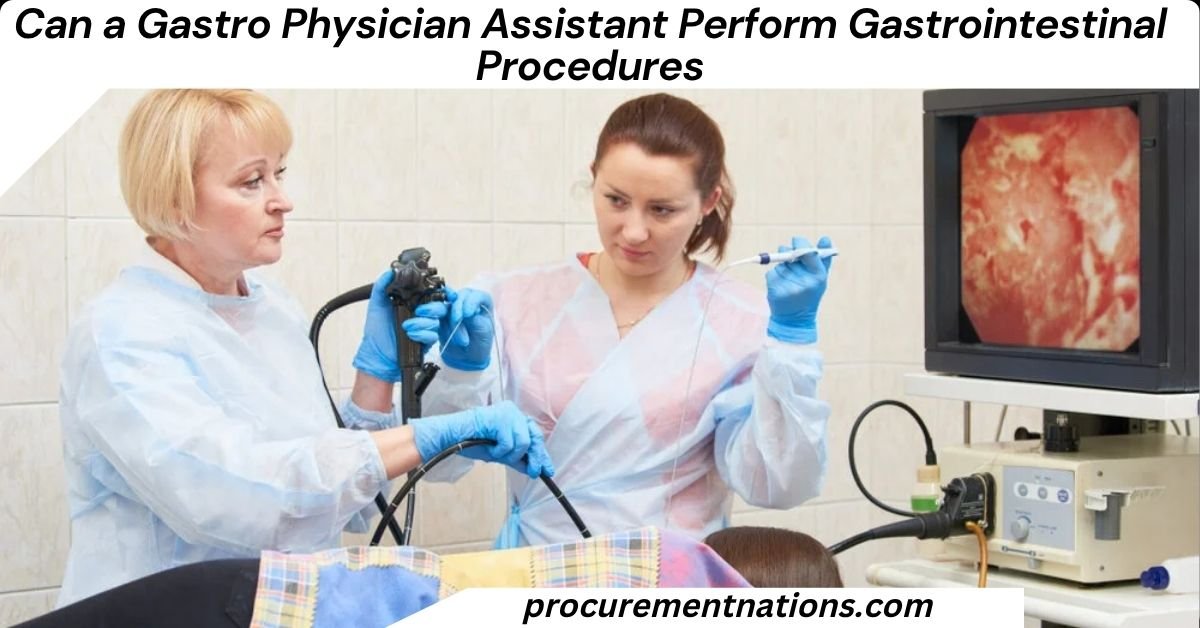
01 Sep Can a Gastro Physician Assistant Perform Gastrointestinal Procedures?
If you are searching for information about a “gastro physician assistant,” you may be trying to understand what these healthcare professionals do, how they work with gastroenterologists, what conditions they treat, or how to become one. A gastro physician assistant, often called a gastroenterology physician assistant or GI PA, is a certified physician assistant who focuses on digestive-system health.
These professionals can play an important role in modern gastroenterology practices. They may evaluate patients, take medical histories, perform physical examinations, order or review diagnostic tests, provide treatment, educate patients, and help manage long-term digestive conditions. Their exact responsibilities depend on their training, state laws, employer, and practice setting.
This guide explains the gastro physician assistant role in simple language, including education requirements, daily duties, common conditions, work settings, salary considerations, career opportunities, and questions patients and future PAs commonly ask.
What Is a Gastro Physician Assistant?
A gastro physician assistant is a physician assistant who works primarily in gastroenterology, a medical specialty focused on the digestive system.
The digestive system includes organs and structures such as:
- Esophagus
- Stomach
- Small intestine
- Large intestine or colon
- Rectum
- Anus
- Liver
- Gallbladder
- Pancreas
A gastro physician assistant may work alongside a gastroenterologist, surgeon, primary care physician, nurses, dietitians, and other healthcare professionals.
In the United States, physician assistants are licensed medical professionals who practice medicine as part of a healthcare team. Their scope of practice varies by state and workplace.
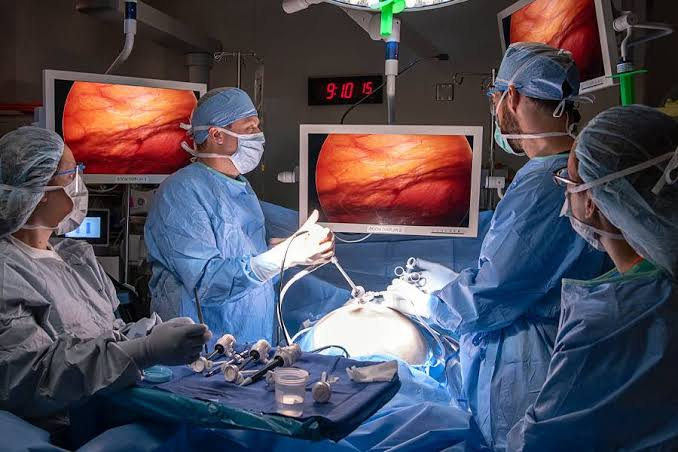
A GI PA may care for patients with common digestive problems as well as more complex conditions. Some work primarily in outpatient clinics, while others work in hospitals, specialty centers, procedural units, or surgical practices.
What Does a Gastro Physician Assistant Do?
The daily responsibilities of a gastro physician assistant can vary significantly.
In a typical gastroenterology practice, a PA may:
- Review a patient’s medical history.
- Ask about symptoms and previous treatments.
- Perform a physical examination.
- Develop a differential diagnosis with the supervising or collaborating physician, where required.
- Order or help interpret laboratory tests.
- Review imaging and other diagnostic results.
- Recommend or prescribe treatment within applicable laws and practice policies.
- Provide patient education.
- Monitor chronic digestive diseases.
- Communicate with other healthcare professionals.
- Help coordinate procedures or follow-up care.
- Document patient visits in the medical record.
Some gastro physician assistants also assist with procedures or participate in inpatient care.
The important point is that a GI PA is not simply an administrative assistant. A physician assistant is a trained healthcare professional who can provide many aspects of medical care.
Gastro Physician Assistant vs. Gastroenterologist
A common question is whether a gastro physician assistant is the same as a gastroenterologist.
They are not the same profession.
A gastroenterologist is a physician who completes medical school, residency training, and additional fellowship training in gastroenterology.
A physician assistant completes an accredited PA education program after undergraduate education and then passes a national certification examination. A PA can subsequently develop expertise in gastroenterology through clinical experience, additional training, and continuing education.
Both professionals can be important members of a gastroenterology team, but their educational pathways and professional roles are different.
Simple Comparison
| Gastro Physician Assistant | Gastroenterologist |
| Physician assistant | Medical doctor or doctor of osteopathic medicine |
| Completes PA education | Completes medical school |
| Passes PA certification examination | Completes physician licensing requirements and specialty training |
| Can specialize in gastroenterology | Completes gastroenterology fellowship |
| Works as part of a medical team | Physician specializing in digestive diseases |
| Scope varies by state and practice | Physician scope includes independent medical practice subject to state law |
The best choice for a patient depends on the medical problem and the needs of the healthcare team.
What Conditions Can a Gastro Physician Assistant Treat?
A gastro physician assistant may care for many digestive conditions.
Common examples include:
Gastroesophageal Reflux Disease
Gastroesophageal reflux disease, commonly called GERD, occurs when stomach contents repeatedly move backward into the esophagus.
Symptoms may include:
- Heartburn
- Acid regurgitation
- Chest discomfort
- Difficulty swallowing
- Chronic cough
- A sour taste in the mouth
A GI PA may evaluate symptoms, review previous treatment, discuss lifestyle measures, and coordinate additional testing when appropriate.
Irritable Bowel Syndrome
Irritable bowel syndrome, or IBS, is a common gastrointestinal disorder associated with symptoms such as abdominal pain and changes in bowel habits.
Patients may experience:
- Diarrhea
- Constipation
- Bloating
- Abdominal discomfort
- Alternating diarrhea and constipation
A gastro physician assistant may help evaluate symptoms and develop a management plan.
Inflammatory Bowel Disease
Inflammatory bowel disease includes Crohn’s disease and ulcerative colitis.
These conditions can require long-term medical management. A GI PA may monitor symptoms, review laboratory findings, coordinate testing, provide education, and follow patients receiving treatment.
Celiac Disease
Celiac disease is an immune-mediated condition triggered by gluten in genetically susceptible people.
A gastro physician assistant may help evaluate symptoms and coordinate testing and follow-up care.
Abdominal Pain
Abdominal pain has many possible causes.
A GI PA may ask about:
- Where the pain occurs
- When it began
- Whether it comes and goes
- Food-related symptoms
- Bowel changes
- Nausea or vomiting
- Fever
- Weight changes
- Previous medical problems
The goal is to determine whether additional evaluation is needed.
Constipation
Constipation may result from diet, medications, changes in activity, medical conditions, or other factors.
A GI PA can assess the patient’s history, identify possible causes, recommend appropriate management, and determine when further testing may be necessary.
Diarrhea
Persistent or recurrent diarrhea can have many causes, including infections, medication effects, food-related problems, inflammatory disorders, and other gastrointestinal conditions.
A GI PA can help determine what evaluation may be appropriate.
Can a Gastro Physician Assistant Perform Procedures?
Some gastro physician assistants participate in procedures, but their responsibilities vary by practice, training, credentialing, and state requirements.
A PA may assist a gastroenterologist during procedures or provide related care before and after a procedure.
Procedures commonly associated with gastroenterology include:
- Colonoscopy
- Upper endoscopy
- Flexible sigmoidoscopy
- Capsule endoscopy
- Liver-related procedures
- Other diagnostic or therapeutic procedures
Not every gastro physician assistant performs these procedures.
A patient should ask the medical practice about the specific role of the PA involved in their care.
Do Gastro Physician Assistants Perform Colonoscopies?
This is an especially important question because the answer can vary.
Some physician assistants may receive specialized training that allows them to assist with or participate in certain gastrointestinal procedures, depending on state law, institutional policy, physician oversight requirements, and individual credentials.
However, patients should not assume that every gastro PA performs colonoscopies.
If you are scheduled for a colonoscopy, ask the facility who will perform the procedure and what role each member of the medical team will have.
How Does a Gastro Physician Assistant Help a Gastroenterologist?
A gastro physician assistant can help expand the capacity of a gastroenterology practice.
For example, the PA may evaluate routine follow-up patients while the gastroenterologist manages more complex cases or procedures.
A GI PA may also:
- Follow patients between physician visits
- Manage stable chronic conditions
- Review test results
- Educate patients about their diagnosis
- Coordinate referrals
- Help with medication management
- Answer routine clinical questions
- Assist with hospital consultations
- Support procedural services
This team-based approach can help improve access to specialty care.
It may also allow patients to receive more frequent follow-up when appropriate.
Education Requirements for a Gastro Physician Assistant
Becoming a gastro physician assistant requires substantial education and clinical training.
The exact pathway can differ by individual, but the general process includes several stages.
Step 1: Complete Undergraduate Education
Future physician assistants generally complete an undergraduate degree or required prerequisite coursework.
Common prerequisite subjects may include:
- Biology
- Chemistry
- Anatomy
- Physiology
- Microbiology
- Statistics
- Psychology
Specific requirements vary among PA programs.
Students should check individual program requirements before selecting courses.
Step 2: Gain Healthcare Experience
Many PA programs expect applicants to have healthcare experience.
Examples may include work as:
- Medical assistant
- Emergency medical technician
- Nurse
- Patient care technician
- Paramedic
- Medical technician
Requirements vary by program.
Step 3: Attend an Accredited PA Program
Students then attend an accredited physician assistant program.
PA education commonly includes classroom instruction followed by supervised clinical rotations.
Clinical education may cover areas such as:
- Internal medicine
- Family medicine
- Emergency medicine
- Surgery
- Pediatrics
- Women’s health
- Behavioral health
Gastroenterology may or may not be a required clinical rotation.
Step 4: Pass the National Certification Examination
Graduates generally take the Physician Assistant National Certifying Examination, commonly known as the PANCE.
Successful candidates may earn the PA-C credential.
Step 5: Obtain State Licensure
A physician assistant must meet the licensing requirements of the state where they practice.
State rules can differ regarding supervision, collaboration, prescribing, and scope of practice.
Step 6: Develop Gastroenterology Experience
After becoming a PA, someone interested in gastroenterology can seek employment in a GI practice or hospital gastroenterology department.
Some PAs receive extensive on-the-job training.
Others may pursue additional postgraduate education or specialty training.
Is There a Gastroenterology Physician Assistant Fellowship?
Yes, some institutions offer postgraduate PA training opportunities in specialty areas, including gastroenterology or related fields.
These programs are not required for every GI PA.
A new PA may enter gastroenterology directly and receive structured training from an experienced gastroenterologist and clinical team.
A postgraduate program can be useful for PAs who want intensive specialty experience.
Potential training topics may include:
- Digestive disease evaluation
- Endoscopy
- Inpatient gastroenterology
- Liver disease
- Inflammatory bowel disease
- Gastrointestinal disorders
- Procedural assistance
- Clinical research
Availability and program structure vary.
Skills Needed to Become a Gastro Physician Assistant
Successful gastro PAs need both medical knowledge and communication skills.
Important skills include:
Clinical Reasoning
Digestive symptoms can have many possible causes.
A PA needs to recognize patterns and understand when additional testing or specialist evaluation is needed.
Communication
Patients may have questions about symptoms, medications, procedures, bowel changes, or diagnoses.
Clear explanations can make medical information easier to understand.
Patient Education
GI conditions often require patients to make long-term changes.
A good PA can explain treatment plans in practical, understandable language.
Organization
Gastroenterology practices can be busy.
PAs may manage multiple patients, test results, follow-up appointments, medications, and care coordination tasks.
Teamwork
Gastroenterology is highly collaborative.
PAs commonly work with physicians, nurses, medical assistants, technicians, pharmacists, dietitians, and other professionals.
Where Does a Gastro Physician Assistant Work?
A gastro physician assistant can work in several healthcare environments.
Outpatient Gastroenterology Clinics
This is one of the most common settings.
Patients may visit for:
- New digestive symptoms
- Follow-up appointments
- Chronic disease management
- Test-result discussions
- Medication management
Hospitals
Hospital-based GI PAs may care for patients with acute or complex gastrointestinal conditions.
They may also participate in consultations and inpatient follow-up.
Endoscopy Centers
Some PAs work in settings where gastrointestinal procedures are performed.
Their role may include patient evaluation, preparation, procedural assistance, and post-procedure care.
Academic Medical Centers
Academic centers may offer opportunities involving:
- Patient care
- Teaching
- Research
- Clinical trials
- Specialty programs
Surgical Practices
Some PAs with GI-related expertise work with surgeons who treat gastrointestinal diseases.
Their work may include preoperative and postoperative care.
What Is a Typical Day Like for a Gastro Physician Assistant?
There is no single daily schedule for a gastro PA.
A clinic-based PA might begin the day by reviewing patient charts and laboratory results.
During appointments, the PA may:
- Review the patient’s symptoms.
- Discuss changes since the previous visit.
- Perform an examination.
- Review diagnostic results.
- Explain possible treatment options.
- Create or update a care plan.
- Order appropriate follow-up testing.
- Answer patient questions.
- Document the visit.
The PA may then communicate with the gastroenterologist or other members of the care team.
Hospital-based PAs may have a very different schedule, with inpatient consultations and daily rounds.
Gastro Physician Assistant Salary in the United States
Salary is an important consideration for people researching a gastro physician assistant career.
However, there is no single national salary for all gastro PAs.
Compensation can vary based on:
- Geographic location
- Years of experience
- Specialty experience
- Practice type
- Hospital versus private practice
- Employer
- Work schedule
- Call responsibilities
- Benefits
- Bonuses or productivity incentives
- Local demand
PAs working in high-cost metropolitan areas may have different compensation from those working in rural regions.
Instead of focusing only on a single salary number, prospective PAs should compare total compensation.
This may include:
- Base salary
- Health insurance
- Retirement contributions
- Paid time off
- Continuing education funding
- Professional licensing fees
- Malpractice coverage
- Bonuses
- Student loan assistance
For current salary information, candidates should review recent data from reliable professional and government sources because compensation changes over time.
Job Outlook for Gastro Physician Assistants
The broader physician assistant profession has experienced strong demand in the United States.
Several factors support continued demand for advanced healthcare professionals.
These include:
- An aging population
- Growing chronic disease burden
- Increased demand for specialty care
- Physician workforce shortages in some regions
- Expansion of team-based healthcare
- Greater need for outpatient services
Gastroenterology can be an attractive specialty for PAs because digestive diseases are common and many patients require ongoing follow-up.
However, employment opportunities differ by geographic area and healthcare system.
Benefits of Seeing a Gastro Physician Assistant
For many patients, seeing a GI PA can have several advantages.
Easier Access to Specialty Care
A PA can provide specialty-focused care under the structure of a gastroenterology practice.
This can increase the number of patients a practice can serve.
More Time for Education
Some patients appreciate having time to discuss:
- Medication instructions
- Diet questions
- Test results
- Follow-up schedules
- Disease management
Continuity of Care
A PA may follow patients over multiple visits.
This can help create familiarity with the patient’s history and treatment plan.
Team-Based Care
A gastro PA works within a broader medical team.
Complex cases can be discussed with the gastroenterologist when necessary.
Are Gastro Physician Assistants Qualified to Diagnose Medical Conditions?
Physician assistants receive medical training and can participate in diagnosing and treating patients within their legal scope of practice.
The precise authority of a PA depends on state law, employer policies, practice agreements, and individual credentials.
A gastro PA may evaluate symptoms, review medical information, order diagnostic tests, and develop treatment plans as permitted.
For complicated cases, the PA may consult with a gastroenterologist or refer the patient for physician evaluation.
Can a Gastro Physician Assistant Prescribe Medication?
In many states, physician assistants can prescribe medications subject to applicable state and federal rules.
However, prescribing authority and limitations can differ by jurisdiction and medication type.
Patients should discuss medication questions with their healthcare professional and follow the instructions provided by their medical team.
When Should You See a Gastro Physician Assistant?
A gastro physician assistant may be appropriate for many digestive concerns.
Examples include:
- Persistent heartburn
- Ongoing abdominal discomfort
- Changes in bowel habits
- Chronic constipation
- Recurrent diarrhea
- Bloating
- Difficulty swallowing
- Follow-up after gastrointestinal testing
- Long-term management of digestive diseases
However, some symptoms require urgent medical attention.
Seek prompt medical care for serious symptoms such as:
- Severe or rapidly worsening abdominal pain
- Significant gastrointestinal bleeding
- Vomiting blood
- Black, tarry stools
- Severe dehydration
- Fainting
- Chest pain
- Difficulty breathing
- Sudden severe weakness
Emergency symptoms should not be delayed while waiting for a routine gastroenterology appointment.
How to Choose a Gastro Physician Assistant
When selecting a gastro physician assistant, consider the practice as a whole rather than only the individual provider.
Check Credentials
Ask about the PA’s education, certification, state license, and gastroenterology experience.
Ask About Their Role
Find out whether the PA primarily provides clinic care, inpatient care, procedural assistance, or chronic disease management.
Consider Communication Style
A healthcare professional should be willing to explain medical information clearly.
Ask About Follow-Up
Find out who will review test results and how you can contact the care team after an appointment.
Understand the Practice Structure
Ask how the PA works with the gastroenterologist.
This can be especially useful if you have a complex condition.
What Questions Should You Ask a Gastro Physician Assistant?
Patients can prepare questions before an appointment.
Useful questions include:
- What could be causing my symptoms?
- Do I need additional testing?
- What do my test results mean?
- What treatment options are available?
- How long should I try the treatment?
- What side effects should I watch for?
- When should I return?
- What symptoms require urgent attention?
- Should I see a gastroenterologist directly?
- Will I need an endoscopy or colonoscopy?
Writing questions down before the appointment can make the visit more productive.
Gastro Physician Assistant and Telehealth
Telehealth has become an important part of healthcare delivery in the United States.
Depending on state law, employer policies, and clinical circumstances, gastro PAs may provide some services through telehealth.
Virtual visits may be useful for:
- Reviewing test results
- Discussing stable symptoms
- Medication follow-up
- Chronic disease monitoring
- Patient education
- Deciding whether an in-person visit is needed
However, some problems require an in-person physical examination or procedure.
Telehealth is not appropriate for every medical concern.
The Role of Technology in Gastroenterology
Modern gastroenterology increasingly uses digital tools and advanced diagnostic technologies.
A gastro physician assistant may work with electronic health records, laboratory systems, imaging reports, patient portals, and telehealth platforms.
Artificial intelligence is also being studied and used in some areas of gastrointestinal medicine, particularly around endoscopy and image analysis.
Technology can help clinicians identify patterns and organize information, but it does not replace professional medical judgment.
Patients should be cautious about treating an online symptom checker or artificial intelligence system as a diagnosis.
Gastro Physician Assistant and Patient Privacy
Healthcare involves sensitive personal information.
When communicating with a GI practice, patients should use secure patient portals and official contact methods whenever possible.
Patients should be careful when sharing:
- Medical records
- Test results
- Medication lists
- Insurance information
- Personal identification information
Avoid posting private medical information publicly on social media or unsecured websites.
Digital literacy is increasingly important because health information can spread quickly online.
A trustworthy medical resource should clearly identify who created the information, explain its sources, and distinguish education from medical advice.
How Online Searches for “Gastro Physician Assistant” Work
People may search for this term for different reasons.
Someone may be:
- Looking for a GI PA near them
- Trying to understand a provider’s job title
- Comparing a PA with a gastroenterologist
- Researching a digestive-health career
- Looking for salary information
- Preparing for an appointment
- Considering PA school
- Searching for a specialty provider
Understanding search intent helps explain why information about the same keyword can vary.
A patient usually wants practical information about care.
A student may want information about education and career development.
A healthcare professional may be interested in specialty training or workforce opportunities.
How to Verify Online Medical Information
Not everything that appears in search results is reliable.
When researching gastroenterology or physician assistants, look for information from recognized healthcare organizations, government agencies, medical schools, and professional organizations.
Be cautious with websites that:
- Promise guaranteed cures
- Sell products using fear
- Make extreme medical claims
- Hide the identity of the author
- Do not provide dates or references
- Encourage patients to replace medical care with online advice
A good health article should help you understand a subject without pretending to replace a qualified healthcare professional.
Common Misunderstandings About Gastro Physician Assistants
Several misconceptions can cause confusion.
“A PA Is Just a Nurse”
This is incorrect.
PAs and nurses are different professions with different education, licensing, and clinical roles.
“Every PA Can Do the Same Things”
Not necessarily.
A PA’s responsibilities depend on training, state law, employer policies, and practice setting.
“A GI PA Is a Gastroenterologist”
A GI PA specializes in working in gastroenterology, but a PA is not the same professional category as a gastroenterologist physician.
“A PA Cannot Treat Patients”
Physician assistants are trained to provide medical care within their scope of practice.
“Every Gastro PA Performs Endoscopy”
This is also incorrect.
Procedural responsibilities vary considerably between practices.
Career Advantages of Gastroenterology for Physician Assistants
Gastroenterology can offer several professional advantages for PAs.
The specialty includes both acute and chronic medical problems.
A PA may develop experience in:
- Digestive disease
- Liver disease
- Endoscopy
- Inflammatory bowel disease
- Cancer screening
- Nutrition-related concerns
- Chronic disease management
- Hospital medicine
The specialty also provides opportunities to build long-term relationships with patients.
Challenges of Working as a Gastro Physician Assistant
Like every healthcare career, gastroenterology has challenges.
A GI PA may encounter:
- Heavy patient volumes
- Complex medical histories
- Time pressure
- Difficult diagnoses
- Emotionally stressful situations
- Documentation requirements
- Changing treatment guidelines
- Coordination across multiple departments
Some settings may also involve early mornings, hospital coverage, procedures, or call responsibilities.
People considering this career should look beyond salary and think about whether the work environment fits their interests and strengths.
How to Prepare for a Gastro Physician Assistant Appointment
Patients can make their appointment more useful by preparing ahead of time.
Bring or have access to:
- Medication list
- Allergy information
- Previous test results
- Relevant medical records
- Family medical history
- List of symptoms
- Questions for the provider
It can also help to write down when symptoms began and what makes them better or worse.
Be honest about symptoms, medications, supplements, and previous treatments.
Accurate information helps the healthcare team make better clinical decisions.
Gastro Physician Assistant: Frequently Asked Questions
1. Can I request a specific gastro physician assistant?
Often, patients can request a specific provider, but availability depends on the healthcare practice. You can contact the office and ask whether a particular PA accepts new patients or handles your type of gastrointestinal concern.
2. Does a gastro physician assistant have specialty certification in gastroenterology?
Not necessarily. A PA can work in gastroenterology without holding a separate national gastroenterology specialty certification. Specialty knowledge may come from clinical experience, employer training, postgraduate education, and continuing professional development.
3. Can a gastro physician assistant help me prepare for a colonoscopy?
In many practices, a GI PA may provide education about preparation and answer questions about the procedure. The exact responsibilities depend on the practice. Follow the preparation instructions provided by your healthcare team rather than relying on general information online.
4. Can a gastro physician assistant work with patients who have liver disease?
Yes. Some gastroenterology practices include liver disease management in their services. A PA with appropriate training may help evaluate symptoms, review laboratory or imaging results, provide education, and coordinate care with a gastroenterologist or hepatology specialist.
5. Can a gastro physician assistant participate in clinical research?
Yes. Some PAs work in academic medical centers or research programs and may participate in clinical research. Their responsibilities can include patient recruitment, clinical assessments, data collection, education, and coordination with investigators, depending on the research program.
Conclusion
A gastro physician assistant is a physician assistant who focuses on the care of patients with digestive-system conditions. GI PAs can provide evaluation, treatment, education, follow-up care, and other clinical services while working as part of a gastroenterology healthcare team.
For patients, understanding the PA’s role can make it easier to know what to expect during a visit. For people considering a career in healthcare, gastroenterology can offer opportunities to develop expertise in digestive diseases, chronic disease management, procedures, and patient education.
The exact responsibilities of a gastro physician assistant depend on education, experience, state law, employer policies, and practice setting. Because these factors vary, patients and prospective PAs should verify current information with the relevant healthcare organization, licensing authority, or educational program.
Most importantly, online health information should be used for education and preparation—not as a substitute for individualized medical advice from a qualified healthcare professional.
Sorry, the comment form is closed at this time.