


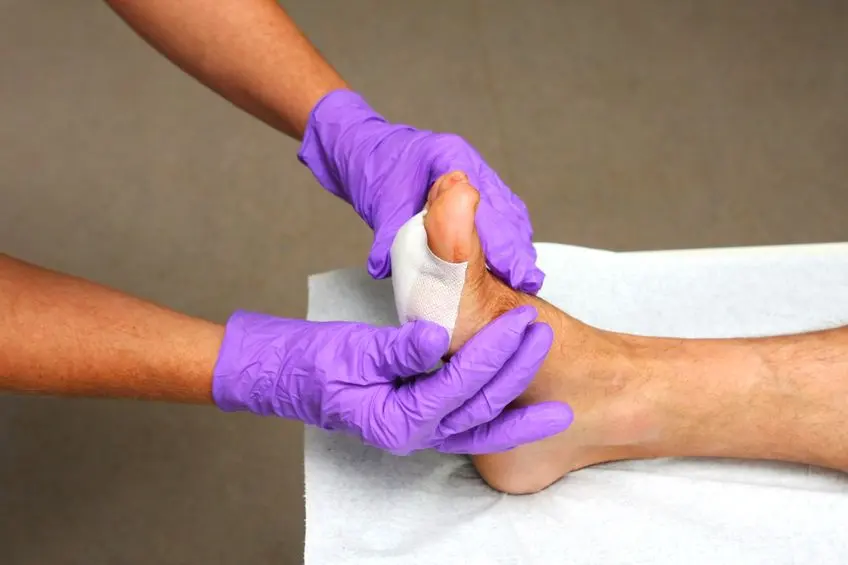
03 Feb When Foot Wounds Need Medical Attention
Foot injuries may appear minor at first, but can worsen quickly without proper care due to constant pressure and friction. Wound care is fundamental when a cut or sore is slow to heal, shows signs of infection, or occurs in someone with diabetes, poor circulation, or reduced sensation. Here is more information on the key warning signs that indicate it’s time to seek medical attention for foot wounds:
Handling Wounds at Home
For many minor injuries, home wound care is a safe and effective option. You should start by gently cleaning the affected area with mild soap and warm water to remove dirt or debris. Applying a clean, sterile bandage helps protect the opening from further irritation or exposure to germs.
You must monitor the injury closely during the first few days of healing. A healthy wound typically forms a scab, and pain should decrease steadily over time. If the area around the cut remains normal in color and does not swell, your body is likely doing its job correctly. Do not use harsh chemicals because they can damage tissue and slow the natural healing process.
Recognizing Warning Signs
If a wound does not show signs of improvement after a reasonable period, it requires professional evaluation. Here are specific symptoms that indicate the need for clinical wound care:
- Redness and Swelling: If the skin around the injury becomes red, puffy, or feels hot to the touch, this suggests an active infection is fighting against your immune system.
- Persistent Pain: While some discomfort is normal, pain that increases over time or becomes throbbing indicates that the condition is worsening rather than improving.
- Drainage or Odor: You should look for yellow or green fluid coming from the sore or a foul smell, as these are clear indicators of bacterial involvement.
- Color Changes: If the tissue turns black or dark blue, it indicates tissue death and requires immediate emergency intervention.
These symptoms are warning signs that indicate your body is overwhelmed and requires medical assistance to recover.
Getting Help Earlier
Certain medical conditions change how the body repairs itself, making tiny scratches dangerous. Individuals with these specific risk factors should skip home treatment and seek professional wound care immediately:
- Diabetes: High blood sugar levels damage nerves and blood vessels over time, drastically reducing the body’s ability to fight off infection.
- Neuropathy: Nerve damage prevents the brain from feeling pain in the feet, so you may walk on a wound for days without knowing it exists.
- Poor Circulation: Blood carries oxygen and nutrients necessary for repair, so restricted blood flow makes healing nearly impossible without help.
- Immunocompromised Status: Those with weakened immune systems cannot fight off bacteria effectively, turning minor cuts into major health threats very quickly.
If you fall into any of these categories, prompt medical attention is the key strategy for preventing ulcers and amputation.
Exploring Wound Care
When you visit a specialist for wound care, they have access to advanced treatments that are not available at home. A clinician may perform debridement, the removal of dead or infected tissue to reveal healthy skin beneath. This process restarts the healing cycle and removes the bacteria that are preventing closure. A specialist may use bioengineered skin grafts to cover large ulcers that do not heal. They may also prescribe custom orthotics or braces to offload pressure from the affected area, allowing it to heal without the constant stress of walking.
Schedule Your Wound Care Appointment
Timely intervention is the most effective way to manage foot ulcers and prevent serious complications like amputation. If you notice signs of infection or have underlying conditions such as diabetes, you must take prompt action to protect your health. Contact a wound care specialist near you to schedule your appointment today.
No Comments