


28 Feb Tips and Resources for Living with Diabetic Neuropathy
Diabetic neuropathy is a type of nerve damage that occurs if you have diabetes. High blood sugar (glucose) can injure nerves throughout the body, but diabetic neuropathy most often damages nerves in the legs and feet. Living with this condition requires careful management and consistent attention to your health. By understanding the nature of nerve damage and implementing strategic lifestyle changes, you may better manage symptoms and protect your long-term well-being.
Tips for Slowing the Disease
Nerve damage cannot always be reversed, but you can take specific actions to slow the progression of diabetic neuropathy. The most recommended step is effectively managing your blood sugar. Consistent monitoring helps you stay within your target range, reducing stress on your nerves.
- Monitor Blood Glucose: Check your blood sugar levels regularly as directed by your healthcare provider. Keeping these levels stable is the primary defense against further nerve damage.
- Manage Blood Pressure: High blood pressure may restrict blood flow, worsening nerve problems. Work with your doctor to keep your blood pressure under control.
- Stop Smoking: Smoking affects blood circulation and can increase the risk of foot problems. Quitting smoking improves blood flow and allows your nerves to function more efficiently.
- Healthy Eating: Adopt a balanced diet rich in fruits, vegetables, and whole grains. Proper nutrition supports overall health and helps regulate glucose levels.
Strategies for Relieving Pain
Pain from diabetic neuropathy varies from mild tingling to persistent discomfort, making effective management significant for your overall quality of life. There are both medication and non-medication approaches. Medications prescribed for neuropathy pain may include options such as certain antidepressants, anticonvulsants, or topical treatments like capsaicin cream; discuss these choices with your healthcare provider to verify they are appropriate for your individual needs.
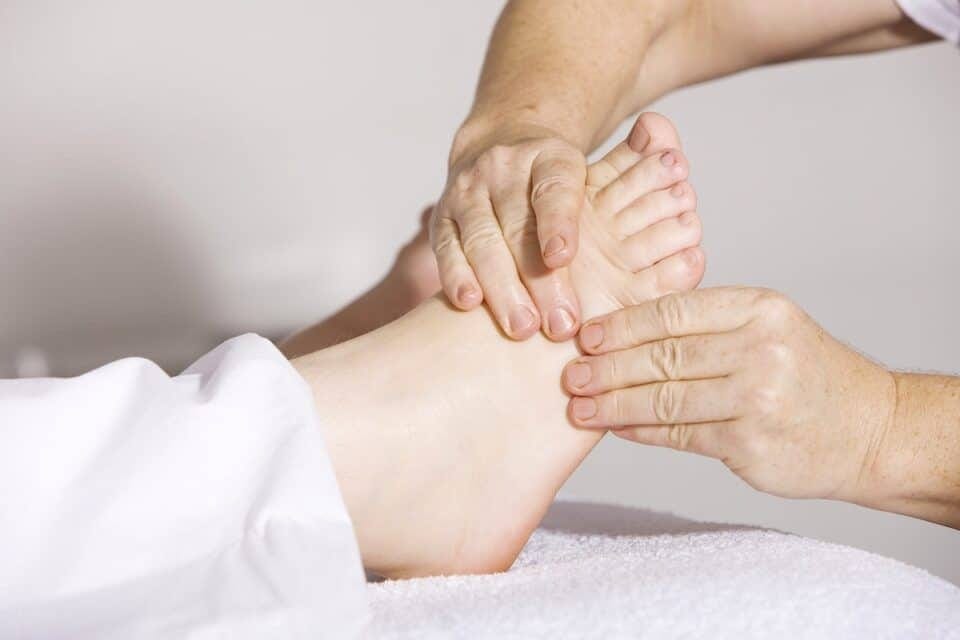
Besides medication, gentle physical activity, such as walking or swimming, can help improve circulation and may offer symptom relief. Be sure to speak with your doctor before starting a new exercise routine. Warm baths can soothe nerve pain, but use caution with water temperature, as sensitivity is often reduced. Some people find that gentle massage therapy relaxes tense muscles and temporarily eases discomfort. Non-prescription topical creams may be helpful as well. Consult your pharmacist for safe options for diabetic skin. Combining both medical and supportive self-care strategies may help reduce the impact of nerve pain and improve daily comfort.
Tips for Self-Care
Daily self-care is advisable to prevent complications associated with diabetic neuropathy. Because sensation in your feet may be reduced, you must be vigilant about checking for injuries you might not feel. Small cuts or blisters can turn into infections if left unnoticed, and these infections may lead to more serious complications.
- Daily Foot Inspection: Check your feet every day for cuts, sores, red spots, or swelling. Use a mirror to see the bottoms of your feet if you cannot reach them easily.
- Proper Footwear: Wear shoes that fit well and provide ample room for your toes. Avoid walking barefoot, even indoors, to protect your feet from accidental injury.
- Skin Care: Keep your skin soft and moist to prevent cracking, which can lead to infection. Apply lotion to your feet, but avoid putting it between your toes, where moisture can cause fungal growth.
- Nail Care: Trim your toenails straight across and file the edges to prevent ingrown toenails. If you have trouble reaching your feet or have poor vision, see a podiatrist for nail care.
Ask About Diabetic Neuropathy Today
If you experience numbness, tingling, or pain in your hands or feet, speak with your healthcare provider. Early diagnosis and intervention are key to effectively managing the condition. Your doctor can provide specific guidance tailored to your health needs, and they can help you develop a comprehensive care plan. Regular check-ups allow your medical team to monitor your condition and adjust treatments as necessary.
No Comments