


06 Feb The Role of Podiatry in Diabetic Foot Care
Diabetes can increase the risk of foot complications due to reduced circulation, nerve damage, and slower wound healing. This makes early prevention and routine monitoring fundamental. Podiatry plays a significant role in diabetic foot care by identifying risk factors before they escalate and treating ulcers and infections. Here is a closer look at podiatry’s role in diabetic foot care:
Detecting Problems Early
One of the common complications associated with diabetes is peripheral neuropathy, which causes nerve damage in the feet. This condition leads to a loss of sensation, meaning a patient may step on a sharp object, develop a blister, or suffer a cut without feeling any pain. A podiatry doctor performs specific sensory evaluations to determine the extent of nerve function loss. Early detection of neuropathy enables physicians to implement protective strategies before silent injury occurs.
Diabetes often leads to Peripheral Arterial Disease (PAD), which restricts blood flow to the legs and feet. A podiatry professional monitors pulses in the feet and may order vascular studies to assess the quality of blood flow. Identifying vascular issues early provides an opportunity to manage circulation through medication or lifestyle changes.
Preventing Foot Ulcers
Developing a foot ulcer is a high risk for individuals with diabetes, but proactive clinical care significantly lowers this probability. Here are ways a podiatry specialist maintains skin integrity:
- Professional nail debridement prevents ingrown toenails, which serve as entry points for bacterial infection in compromised feet.
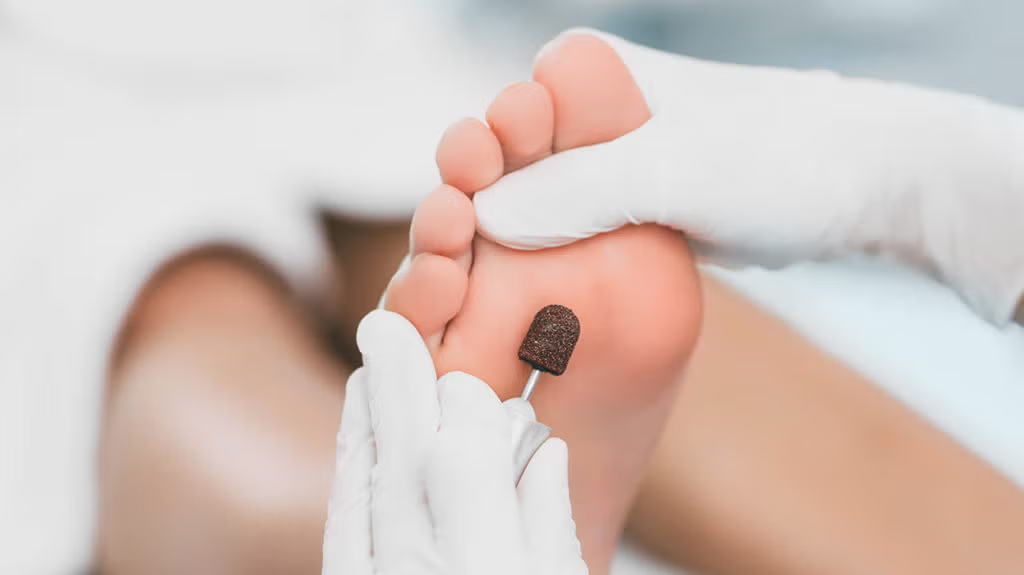
- Doctors remove localized calluses that act as foreign bodies, thereby reducing the pressure that generally causes the skin to break down beneath them.
- Clinical inspections identify fungal infections, such as athlete’s foot, which cause skin fissures that can lead to severe bacterial cellulitis.
- Gait analysis helps the physician identify structural deformities, such as bunions or hammertoes, that create friction against standard footwear.
- The prescription of custom orthotics or specialized diabetic shoes distributes pressure and weight evenly across the plantar surface.
These preventive measures are fundamental to maintaining the skin barrier and preventing the formation of open wounds.
Treating Wounds Safely
When a skin breakdown occurs, immediate and aggressive treatment is necessary to prevent the wound from progressing. A podiatry doctor employs a procedure known as debridement to surgically remove dead, infected, or non-viable tissue from the ulcer. This process cleans the wound bed and stimulates the production of healthy tissue. Without professional debridement, a wound often stalls in the healing process and becomes a breeding ground for bacteria. The doctor also monitors the patient for signs of systemic infection, such as fever or spreading redness, and prescribes antibiotics when indicated.
Building Long-Term Foot Health
Managing the diabetic foot is a lifelong process that requires a partnership between the patient and the healthcare provider. Apodiatry specialist outlines a comprehensive care plan that extends beyond the clinic into the patient’s daily routine:
- Patients receive instruction on conducting daily visual inspections to identify cuts, redness, or swelling immediately.
- The provider educates the patient about the risks of walking barefoot and the necessity of wearing protective footwear at all times.
- Education on blood sugar management is reinforced, as glycemic control is the primary factor in preventing further vascular and neurological deterioration.
- A customized schedule for follow-up appointments is established based on the patient’s specific risk and history of prior ulcers.
Adherence to these educational protocols helps reduce ulcer recurrence and maintain long-term mobility.
Start Your Podiatry Care Today
Diabetic foot care requires a clinical, evidence-based approach to prevent irreversible damage to the lower extremities. A podiatry professional monitors vascular health, treats complex wounds, and manages structural deformities. Early intervention and consistent monitoring are the most effective tools for preventing amputation and preserving independence. Contact a qualified podiatry professional near you to schedule your appointment and begin podiatry care today.
No Comments