


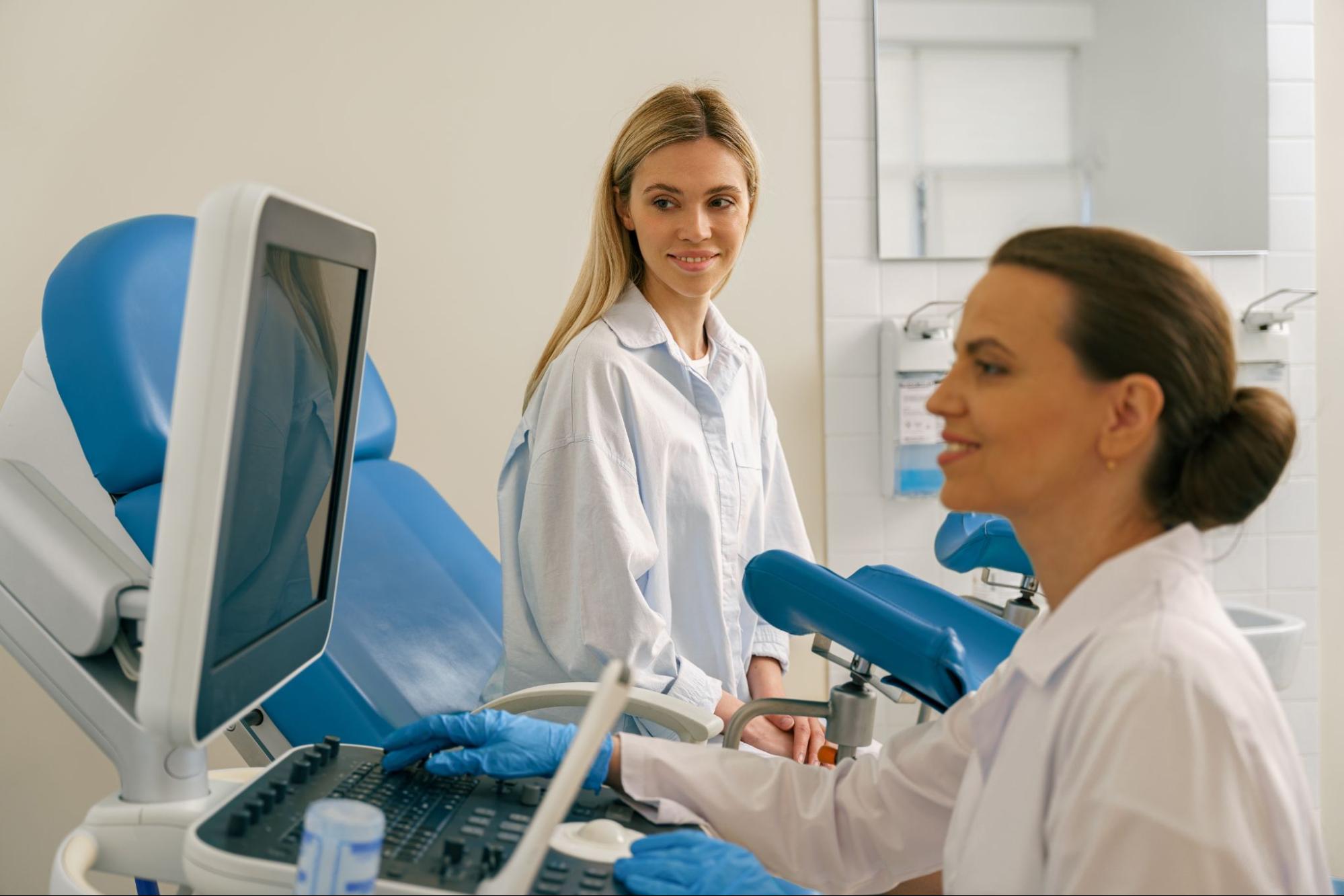
02 Mar The Role of Physician Assistants in Preventive Care
Physician assistants, or PAs, are medical professionals who work on healthcare teams, and they assist physicians and other providers. In many cases, PAs receive licenses to diagnose and treat illnesses. They also focus on keeping you healthy through preventive care. Here is more information on the role of PAs in preventing illness:
Performing Immunizations
PAs administer immunizations to prevent infectious diseases, and they follow recommended vaccination schedules for children and adults. Staying up-to-date on your immunizations is a proactive health measure. When necessary, PAs can provide several standard vaccines in their office, such as:
- Influenza
- Tetanus
- Pneumonia
This may make getting your necessary shots convenient, and your PA will document every vaccine you receive, which keeps your medical records current.
Providing Screenings
PAs perform various screenings to detect health issues early. Regular screenings are part of a good health maintenance plan. A physician assistant might check your blood pressure, or they could order lab work to check cholesterol levels. Since they provide a baseline for your provider, screenings can help you stay informed about your health.
A PA is trained to perform many types of screenings. These screenings may be recommended based on your age, gender, and family history. When you visit a PA for a check-up, they review your health status and suggest appropriate screenings for you. These actions help form a complete picture of your health.
PAs conduct physical exams, and they perform specific tests. They are trained to identify findings that might require more evaluation. Your PA will discuss the results with you and recommend next steps if any are needed. This process is a collaborative part of your healthcare journey.
Educating Patients
Patient education is a key function of a physician assistant. A PA explains health conditions in simple terms, so you can understand your personal health situation. They also provide information on lifestyle changes. This guidance helps you make informed choices about your well-being.
Your PA can offer practical advice on many health topics. They can answer your questions and offer resources, and they do this in a supportive way. Learning about your health helps you take an active role in managing it.
Assessing Risks
Physician assistants are skilled in identifying potential health risks. They review your medical history and lifestyle, and they may ask about your family’s health history. This information helps them understand what health conditions you may be more susceptible to. PAs use this assessment to guide their preventive care plan, and they look at multiple factors to build a profile of your health risks by:
- Conducting thorough medical history reviews to identify patterns and past conditions.
- Evaluating lifestyle factors, such as diet, exercise, and stress levels, to determine their impact on health.
- Ordering and interpreting diagnostic tests, such as blood work or imaging, to uncover potential issues.
- Discussing family medical history to assess risks for conditions such as diabetes or heart disease.
- Monitoring physical markers to detect early warning signs of health concerns.
Visit a Physician Assistant Today
Physician assistants play a direct role in preventive medicine by offering screenings, education, risk assessments, and immunizations. They are dedicated to helping you maintain your health. Your PA is a partner in your ongoing wellness plan. If you are looking for a healthcare provider focused on preventive care, find a physician assistant near you today.
No Comments