


06 Mar Recognizing Symptoms and Seeking Timely Care for Deep Vein Thrombosis
Deep vein thrombosis (DVT) is a condition involving a blood clot in a deep vein, and they typically form in the thigh or lower leg. By recognizing the signs of DVT, you can seek timely medical evaluation and care. Understanding the symptoms is a key step toward managing your health. Here is more information on the symptoms of DVT and when to get care:
Swollen Leg
One major symptom of DVT is swelling in one leg. While some people may not notice any symptoms, others experience visible enlargement of the calf or thigh. This swelling happens because the clot obstructs normal blood flow, and you may also notice that one leg feels heavier than the other.
This swelling does not typically affect both legs simultaneously. The area might feel warm to the touch, and the skin may appear tight. If you notice sudden or unexplained swelling in just one of your legs, it requires attention from a doctor.
Reddish Skin
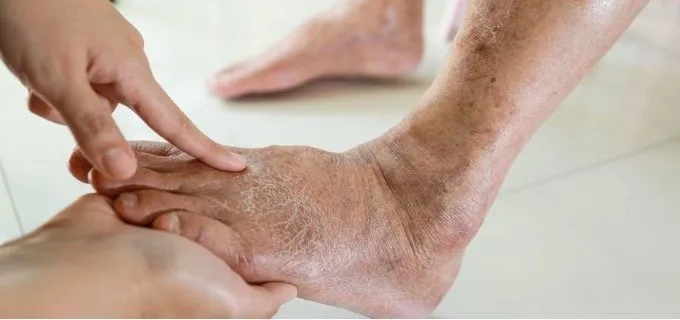
Changes in skin color are another indicator of deep vein thrombosis. The skin over the affected area might look reddish or have a bluish tint. This discoloration occurs because blood pools behind the clot, and it can affect the tissues.
The skin might also feel tender. When this happens, the change in color is typically localized to the area of the clot. You might see this discoloration on your calf or behind your knee, or it can travel along your thigh.
Observing this symptom, particularly when it appears with swelling or pain, is a significant reason to consult a healthcare provider. When you touch your leg, the skin may feel unusually warm. Not everyone with DVT will experience skin discoloration, but it remains a known sign.
Persistent Pain
Leg pain is a typical symptom associated with DVT, and this discomfort starts as a cramp or soreness in the calf. The pain might feel like a pulled muscle, but it does not go away with rest. While the pain can range from mild to severe, it is typically constant, and you might also experience tenderness when you touch the affected area of your leg.
Untreated Condition Risks
Ignoring the signs of DVT may lead to other health issues. A piece of the blood clot can break off and travel through the bloodstream. If the clot lodges in the lungs, it causes a pulmonary embolism (PE). A PE is a serious condition that blocks blood flow to the lungs. Symptoms of a pulmonary embolism include:
- Sudden shortness of breath
- Persistent chest pain
- Rapid heart rate
- Coughed-up blood
Another complication from DVT is postphlebitic syndrome. This condition develops when the clot reduces blood flow to certain areas. It can cause long-term leg pain, swelling, and skin sores. Seeking a medical opinion helps manage the condition and reduce the likelihood of these outcomes.
Address Deep Vein Thrombosis
Recognizing symptoms such as swelling, changes in skin color, and persistent pain is the first step. When these signs appear, getting a professional medical evaluation provides clarity, and a healthcare provider can perform tests to determine the cause of your symptoms. If you are experiencing symptoms of DVT, do not wait for them to resolve on their own. Contact a healthcare professional to discuss your symptoms and determine the next steps for your care.
No Comments