


01 Dec Preparing for Skin Cancer Surgery
A diagnosis of skin cancer often leads to a recommendation for surgical removal of the affected tissue. This procedure is a common and effective method for treating many types of skin cancer. The goal of skin cancer surgery is to remove the cancerous cells completely, promoting health and well-being.
What Is Skin Cancer Surgery?
Skin cancer surgery is a medical procedure performed to remove cancerous growths from the skin. Dermatologists or surgeons perform these procedures with the primary objective of excising the entire tumor, along with some healthy-appearing tissue. There are several types of surgical procedures for skin cancer, and the specific method chosen depends on the type, size, depth, and location of the cancer.
Mohs surgery is a specialized, precise technique where the surgeon removes the visible cancer and a very small margin of tissue. The tissue is immediately examined under a microscope while the patient waits. If cancer cells are still present, the surgeon removes another thin layer only from the specific area where cancer remains. This process is repeated until no cancer cells are detected. This method is often used for cancers in cosmetically sensitive areas or for large, recurrent, or aggressive tumors.
How Do You Prepare?
Preparation for skin cancer surgery is a straightforward process. Your dermatology team will provide you with specific instructions tailored to your health and the type of surgery you will undergo. Following these guidelines helps promote a smooth procedure and recovery.
Before the surgery, you will have a consultation to discuss the procedure, review your medical history, and list all medications you currently take. Be prepared to mention everything, including prescriptions, over-the-counter drugs, vitamins, and supplements. Some medications, like blood thinners, may need to be adjusted or temporarily stopped to reduce the risk of bleeding during the operation.
On the day of the surgery, it is best to wear comfortable, loose-fitting clothing. You can usually eat a light meal before your appointment unless your doctor instructs otherwise. Arranging for someone to drive you home afterward can be a reasonable precaution, especially if medication for anxiety is administered.
What Does Surgery Entail?
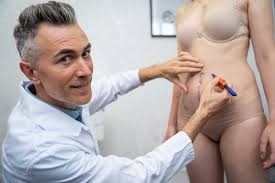
On the day of the procedure, the medical team will clean the surgical site, and the surgeon will mark the area to be treated. A local anesthetic will be injected into the skin to completely numb it. You will remain awake and aware.
The surgeon then proceeds with the chosen surgical technique. In Mohs surgery, the tissue is removed and examined layer by layer until the cancer is gone. The duration of the surgery can range from less than an hour to several hours. This is particularly the case for Mohs surgery, which involves intermittent waiting periods while the tissue is analyzed.
Once the surgery is complete, a dressing or bandage will be applied to the wound. Your medical team will provide detailed instructions on caring for the surgical site at home. You will also be told when to schedule a follow-up appointment for suture removal or a post-operative check.
Speak Further With a Dermatologist
Following the procedure, your dermatologist will discuss the pathology results with you and explain any next steps in your treatment plan. Proper wound care is fundamental for healing and minimizing scarring. Scheduling and attending follow-up appointments are also part of your long-term care, as they allow your doctor to monitor your healing and check for any new or recurring skin concerns.
No Comments