


02 Oct Minimally Invasive Treatment Options for Varicose Veins
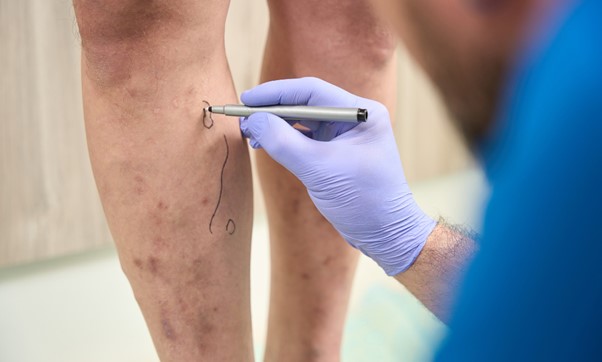
Varicose veins are enlarged, twisted veins that most often appear on the legs and feet. While they are a common condition, many seek treatment for cosmetic reasons or to alleviate symptoms such as aching, swelling, or heaviness. Several minimally invasive vein treatments are available, providing effective alternatives to traditional surgical procedures. These techniques are performed in an office setting, typically involve less discomfort, and allow for a quicker return to normal activities.
Endovenous Laser Therapy
Endovenous Laser Therapy (EVLT) stands out among modern vein treatments for its ability to target varicose veins using laser energy. During EVLT, a healthcare provider inserts a thin fiber through a small incision into the problematic vein. The laser energy heats the vein wall, causing it to collapse and seal shut. Blood naturally reroutes through healthier veins, and the body gradually absorbs the treated vessel. As a result, this vein treatment removes the varicose vein without the need for surgical removal.
Radiofrequency Ablation Treatment
Radiofrequency Ablation (RFA) is another method that uses thermal energy to treat varicose veins. Similar to EVLT, this procedure involves inserting a small catheter into the affected vein. Once in place, the catheter delivers radiofrequency energy to the vein wall, which generates controlled heat. This heat causes the collagen in the vein wall to shrink, leading to the closure of the vein. Following the procedure, the body absorbs the nonfunctional vein.
The RFA Procedure Steps
The process is generally straightforward and completed in an outpatient setting. A healthcare provider will typically follow these steps:
- Numb the area around the vein with a local anesthetic.
- Make a small incision and guide the RFA catheter into the vein using ultrasound imaging.
- Administer additional anesthetic along the length of the vein.
- Activate the radiofrequency energy to heat and seal sections of the vein.
- Withdraw the catheter and apply a small bandage to the insertion site.
Ultrasound-Guided Foam Sclerotherapy
Ultrasound-Guided Foam Sclerotherapy (UGFS) is a nonsurgical treatment designed to close larger varicose veins located deeper beneath the skin’s surface. In this procedure, a special sclerosant solution is mixed with air or gas to create a foam. Using ultrasound for guidance, a physician injects this foam directly into the targeted varicose vein.
The foam displaces the blood within the vein and irritates the vessel lining. This irritation causes the vein to scar and eventually close. The blood is then redirected to healthy veins, and the body absorbs the collapsed vein.
Ambulatory Microphlebectomy
Ambulatory microphlebectomy targets veins near the skin’s surface, often in conjunction with other vein treatments, such as EVLT or RFA. The doctor makes tiny incisions or punctures in the vein and uses a small surgical hook to remove the vein in segments. These minimal incisions generally do not need stitches and leave little to no scarring.
Find the Best Varicose Vein Treatments
Minimally invasive vein treatments offer patients multiple effective options for addressing varicose veins. Each procedure serves a specific need, and providers usually perform them on an outpatient basis. The proper vein treatment depends on factors such as the size and location of the vein, its severity, and individual health needs. For guidance on selecting a suitable vein treatment, consult with a qualified vein specialist.
No Comments