


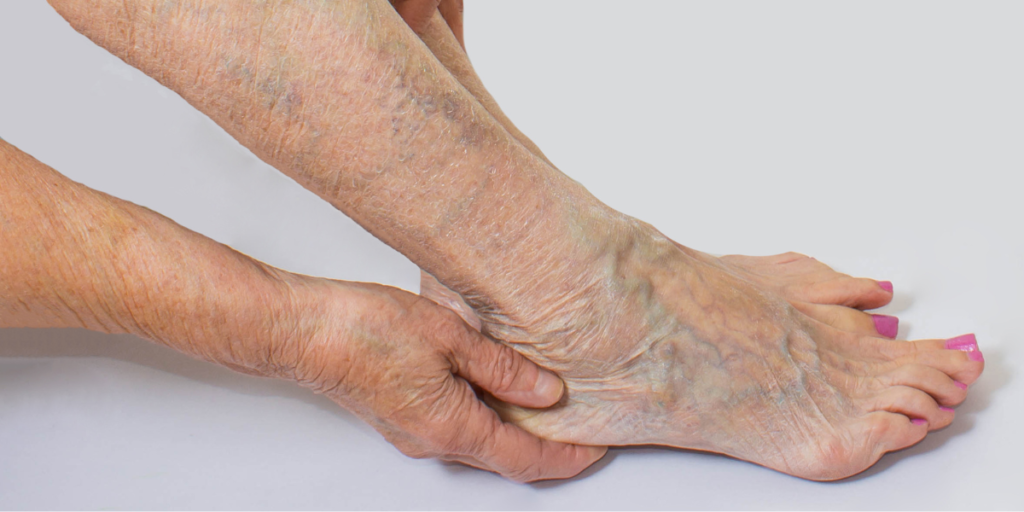
14 Jan Incorporating Vein Care into Your Daily Routine
Healthy circulation plays a significant role in overall comfort and long-term vascular health. Vein care is not limited to clinical treatments; daily habits and lifestyle choices can significantly influence vein function and symptom management. Here’s more information on incorporating vein care into your everyday routines:
Supporting Vein Health
Creating a routine that prioritizes circulation is the first step toward better vein care. Sitting or standing for long periods can cause blood to pool in your lower extremities, which puts extra pressure on your vein walls. To combat this, try to move your body often during the day, and if you have a desk job, set a timer to stand up and stretch your legs every hour. Walking is also an effective way to pump blood back up to your heart because the calf muscles act as a natural pump. Hydration is another key component of daily vein care. When you are well-hydrated, your blood is thinner and flows more easily through your veins.
Strengthening Vein Function
Making intentional decisions about diet and exercise can prevent future complications and support ongoing vein care. Here are specific lifestyle adjustments that contribute to stronger veins:
- Maintain a Healthy Weight: Carrying extra weight puts extra pressure on the veins in your legs, which can lead to damage over time.
- Eat a High-Fiber Diet: Constipation increases abdominal pressure, which can be transmitted to leg veins.
- Limit Sodium Intake: Eating too much salt causes the body to retain water, leading to swelling in the legs and increased pressure on vein walls.
- Exercise Regularly: Engage in low-impact activities such as swimming or cycling to build strong calf muscles without placing excessive stress on your joints.
- Avoid Smoking: Smoking damages the lining of your blood vessels and makes them more rigid, which impedes proper blood flow.
Adopting these lifestyle changes creates a strong basis for vascular wellness.
Practicing At-Home Care
Beyond general lifestyle changes, there are specific practices you can do at home to directly target vein health. Think about incorporating the following practices into your evening or morning routine:
- Wear Compression Stockings: These specialized socks apply gentle pressure to the legs, helping veins move blood upward more efficiently.
- Perform Ankle Flexes: While sitting or lying down, flex your feet up and down to activate the calf pump and encourage circulation.
- Massage Your Legs: Gently massaging your legs in an upward motion can help move fluid and blood away from the feet and ankles.
- Practice Deep Breathing: Deep diaphragmatic breathing changes the pressure in your abdomen and chest, which pulls blood back toward the heart.
These at-home techniques can provide relief from heavy or aching legs.
Recognizing Care Limits
While daily habits and lifestyle changes are fundamental, there are times when professional medical advice is necessary. Vein disease is a progressive condition that may worsen over time even with excellent self-care. It is helpful to recognize the signs that indicate you need to see a specialist for an advanced vein treatment plan.
Monitor your legs for persistent symptoms that do not improve with rest or elevation. Visible changes such as bulging varicose veins, red or warm skin, or sores that do not heal are clear indicators that medical attention is required. If you experience sudden swelling in one leg, it could be a sign of a more serious condition, such as deep vein thrombosis (DVT). This requires immediate medical assessment.
Book Your Vein Care Appointment
Taking care of your veins requires a combination of daily movement, healthy lifestyle choices, and consistent at-home practices. Staying active, watching your diet, and paying attention to your body’s signals help you manage your vascular health effectively. If symptoms persist, contact a vein care specialist near you to book your evaluation appointment today.
No Comments