


02 Feb How to Prevent Heel Pain During Exercise
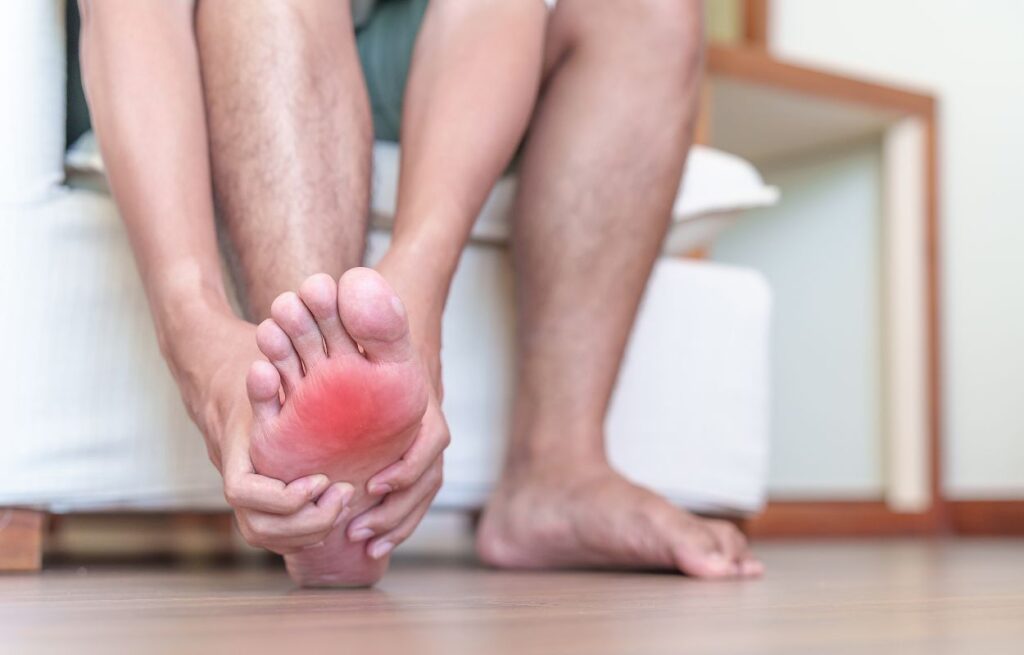
Heel pain is a common complaint for many active individuals, often disrupting fitness routines and daily activities. It usually stems from repetitive stress on the heel bone and the soft tissues that attach to it, such as the plantar fascia or Achilles tendon. Exercise plays a key role in maintaining overall health, but it sometimes leads to discomfort if you do not take proper precautions. Use practical strategies to reduce your risk of developing this frustrating condition.
Choose the Right Footwear
Your choice of shoes plays a critical role in protecting your feet during physical activity. Footwear acts as the primary buffer between your body and the ground, absorbing shock and providing stability. When shoes lack arch support or cushioning, the impact of each step transfers directly to your heels.
Look for athletic shoes designed specifically for your activity, whether you run, walk, or play court sports. Running shoes generally offer more cushioning in the heel, while court shoes provide lateral support. Replace your shoes regularly because the internal cushioning breaks down long before the outer sole shows major wear. As a general rule, replace running shoes every 300 to 500 miles. Your shoes must fit properly; tight shoes compress the foot, and loose shoes cause sliding and friction.
Warm-Up and Stretch Techniques
Jumping straight into intense activity without preparation increases the strain on your feet and lower legs. A proper warm-up increases blood flow and muscle temperature, making them more flexible and less prone to injury. Before your main workout, spend five to ten minutes in light aerobic activity, such as brisk walking.
Next, perform dynamic stretches targeting your calves and plantar fascia. Tight calf muscles pull on the heel bone and increase tension on the foot’s arch. Stretch your calves by standing with your back to a wall, one foot behind the other, then lean forward until you feel a gentle pull in your back leg. Roll a tennis ball under the arch of your foot to loosen the plantar fascia before impact.
Manage Weight, Reduce Heel Pain
The force on your feet during exercise is much higher than when you stand still. Carrying excess weight increases this impact and puts extra stress on the heel structures. Maintain a healthy weight through a balanced diet and regular activity to reduce this load.
The exercise surface matters greatly. Concrete and asphalt are unforgiving and return energy directly to your legs and feet. Choose softer surfaces, such as grass, dirt trails, or a synthetic track, whenever possible. These surfaces have more “give,” which helps absorb some of the shock. If you must run on pavement, change your route often or alternate with treadmill sessions to give your feet a break.
Don’t Ignore Early Warning Signs
Many overuse injuries, including heel pain, start as a minor annoyance before they become a bigger problem. Pushing through pain does not support good foot health. If you notice stiffness in your heel when you first wake up or a dull ache after your workout, take it as a signal to rest.
Rest does not always mean inactivity; it also means reducing the volume or intensity of what is causing the pain. Apply ice to the affected area for 15 to 20 minutes after exercise to help manage inflammation. Ignoring early signs may lead to more severe conditions and a longer recovery. Listen to your body and adjust your training schedule to allow for recovery.
Engage in Cross-Training Exercises
Repetitive impact is a common cause of heel pain. Doing the same high-impact activity every day stresses the same tissues, leaving insufficient time for repair. Cross-training means adding different types of exercise to your routine to spread stress across various muscle groups and reduce strain.
Try to swap one or two running sessions each week for low-impact activities. Cycling, swimming, and elliptical training provide good cardiovascular workouts without repetitive pounding. This approach helps maintain your fitness while giving your heels and feet time to recover. Cross-training strengthens other supporting muscles. That benefit helps improve your mechanics and protects your feet.
Contact Your Podiatrist Today
Taking proactive steps to protect your feet is needed for a long, active life. If heel pain persists despite preventative measures and home care, seek guidance. A podiatrist evaluates your foot structure, analyzes your gait, and suggests custom orthotics or other care that matches your needs. Do not let heel pain keep you from your favorite activities. Schedule an appointment today and keep your feet healthy and pain-free.
No Comments