


06 Feb Effective Treatments for Persistent Foot Fungus
Foot fungus (also known as athlete’s foot or tinea pedis) is a common condition caused by fungal infections that thrive in warm, moist environments, often affecting the skin and toenails. If left untreated, it becomes persistent, leading to discomfort, skin irritation, and recurring symptoms. Understanding effective treatment options for foot fungus helps individuals address the infection promptly, prevent spread, and restore healthy skin.
Recognizing Persistent Foot Fungus Symptoms
Identifying the issue early is key to stopping the infection’s spread. You might dismiss an itch as dry skin. But foot fungus, or athlete’s foot, has specific warning signs. The infection often starts with a stinging or burning sensation. This feeling does not go away with standard moisturizers. You may notice cracked, peeling, or scaly skin between your toes. The area becomes inflamed and red.
It helps to inspect your feet regularly for these changes. This is especially true if you visit high-risk areas. These include locker rooms or swimming pools. The fungus also affects toenails. It causes them to become thick, discolored, or brittle. An unpleasant odor is another common symptom. It indicates the presence of bacteria or fungi. Purple, red, or gray discoloration is a clear signal. It means the infection requires attention.
Using Topical Treatment Options
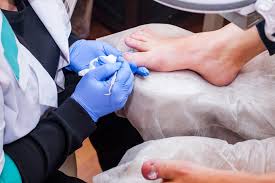
When medical intervention is necessary, seek a board-certified podiatrist. They provide stronger, more effective prescription treatments. Doctor-prescribed topical antifungal medications penetrate deep into the skin to target the fungus directly, working faster than over-the-counter options.
For severe cases, oral antifungal medications may be required. These pills attack the fungus internally but require a specialist to review your medical history. Professionals perform thorough evaluations, including lab tests, to ensure accurate diagnoses. This approach ensures that treatments effectively target the specific fungus causing your symptoms, giving you the best chance of recovery.
Practicing Foot Hygiene
While medical treatment is your primary defense, your daily habits also play a significant role. You need to create an environment that prevents fungal growth. for your feet. This means keeping your feet clean and dry. Pay close attention to the spaces between your toes. Fungi multiply rapidly in moist environments, and wearing socks over damp feet counteracts the benefits of your medication.
Choosing the right footwear also supports your recovery. Wear shoes that allow air to circulate your feet. Rotate your shoes daily. This allows each pair to dry completely for at least 24 hours. Be sure to change your socks at least once a day. If you sweat heavily, change them more often. Wash your socks and towels in hot water. This helps eliminate any lingering fungal spores and reduces the risk of reinfection during treatment.
Preventing Recurrence and Seeking Care
Once your infection is treated, you must focus on prevention. Foot fungus recurrence is common. You can lower your risk by adopting smart protective habits. Avoid walking barefoot in shared public spaces, such as gym showers and saunas. Wear shower shoes or flip-flops in these areas. This simple barrier protects your feet from contaminated surfaces.
You should also factor in your immune system and overall physical condition. People with diabetes, obesity, or weakened immune systems face higher risks. They can experience complications from fungal foot infections. If you fall into these categories, self-treatment is not recommended. See a specialist at the first sign of trouble. This helps prevent secondary bacterial infections or conditions such as cellulitis.
Book an Appointment Today
Persistent foot fungus is a stubborn adversary, but you can defeat it with the right approach. By combining professional podiatric treatment with diligent hygiene, you can eliminate the itch and restore your skin’s health.
Experienced podiatrists understand the nuances of treating foot fungus, and they use advanced techniques and treatments to target the root cause of your infection. Schedule an appointment with a foot specialist today and share your symptoms and medical history. In turn, they will provide you with a personalized treatment plan that works best for you.
No Comments