Posted at 22:20h
in
Podiatry
by Robert
An ankle sprain is a common injury that can disrupt a person's routine and hinder their ability to perform everyday activities. It occurs when the strong ligaments that support the ankle stretch beyond their limits and tear. This type of injury can happen during athletic...
Posted at 19:33h
in
Podiatry
by Robert
Diabetes can increase the risk of foot complications due to reduced circulation, nerve damage, and slower wound healing. This makes early prevention and routine monitoring fundamental. Podiatry plays a significant role in diabetic foot care by identifying risk factors before they escalate and treating ulcers...
Posted at 19:31h
in
Podiatry
by Robert
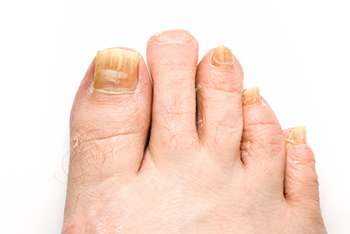
Foot fungus (also known as athlete's foot or tinea pedis) is a common condition caused by fungal infections that thrive in warm, moist environments, often affecting the skin and toenails. If left untreated, it becomes persistent, leading to discomfort, skin irritation, and recurring symptoms. Understanding...
Posted at 15:32h
in
Podiatry
by Robert
Ingrown toenails occur when the corner or side of a toenail grows into the flesh of the toe. The condition can cause pain, redness, swelling, and sometimes infection. Minor cases can be treated at home, but knowing when to seek professional medical help may help...
Posted at 17:40h
in
Podiatry
by Robert
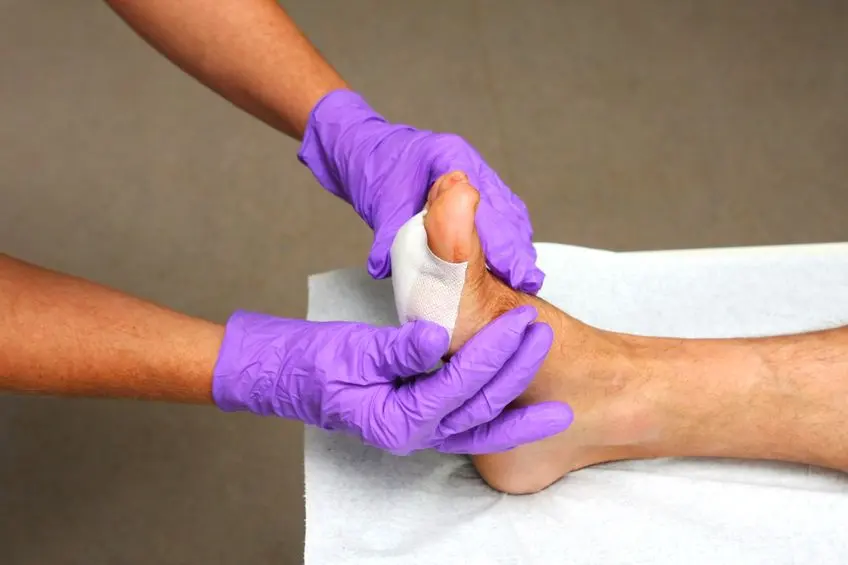
Foot injuries may appear minor at first, but can worsen quickly without proper care due to constant pressure and friction. Wound care is fundamental when a cut or sore is slow to heal, shows signs of infection, or occurs in someone with diabetes, poor circulation,...
Posted at 18:35h
in
Podiatry
by Robert
Heel pain is a common complaint for many active individuals, often disrupting fitness routines and daily activities. It usually stems from repetitive stress on the heel bone and the soft tissues that attach to it, such as the plantar fascia or Achilles tendon. Exercise plays...
Posted at 18:12h
in
Podiatry
by Robert
Surgery is often the first step toward recovery, but healing continues after the procedure. Your body needs time to repair itself. Monitoring this process supports success. Follow-up appointments allow your foot and ankle surgeon to track your progress and identify issues early. The recovery phase...