


26 Nov An Overview of the Injection Process and Results of Botox
Botox is a cosmetic treatment used to temporarily relax muscles by blocking nerve signals. It can produce a smoother appearance in targeted areas such as the forehead, around the eyes, and between the brows. Here is some information about the Botox injection process and its results:
Preparing for Botox
Preparing for Botox treatment usually begins with a consultation, often at a specialized clinic. The provider will ask about your overall health, previous treatments, and your expectations for the procedure. This conversation helps the healthcare professional assess your suitability for Botox and develop a personalized approach.
Medications and supplements are included in the discussion, as substances such as blood thinners or nonsteroidal anti-inflammatory drugs may increase the risk of bruising at the injection site. You might be asked to avoid these products leading up to your appointment. Arriving for your Botox session with a clean face, free of lotions, creams, or makeup, helps reduce the risk of infection and supports the accuracy of the treatment. If you have questions, discussing them during your consultation allows your provider to address your concerns and explain each step.
Understanding the Procedure
After confirming your goals, your provider will examine your facial muscles by having you make various expressions. This allows them to identify the precise areas that require treatment. If your focus is on forehead lines or crow’s feet, the provider will ask you to frown or smile so they can see which muscles are activated. Providers typically use a marker to outline the treatment areas.
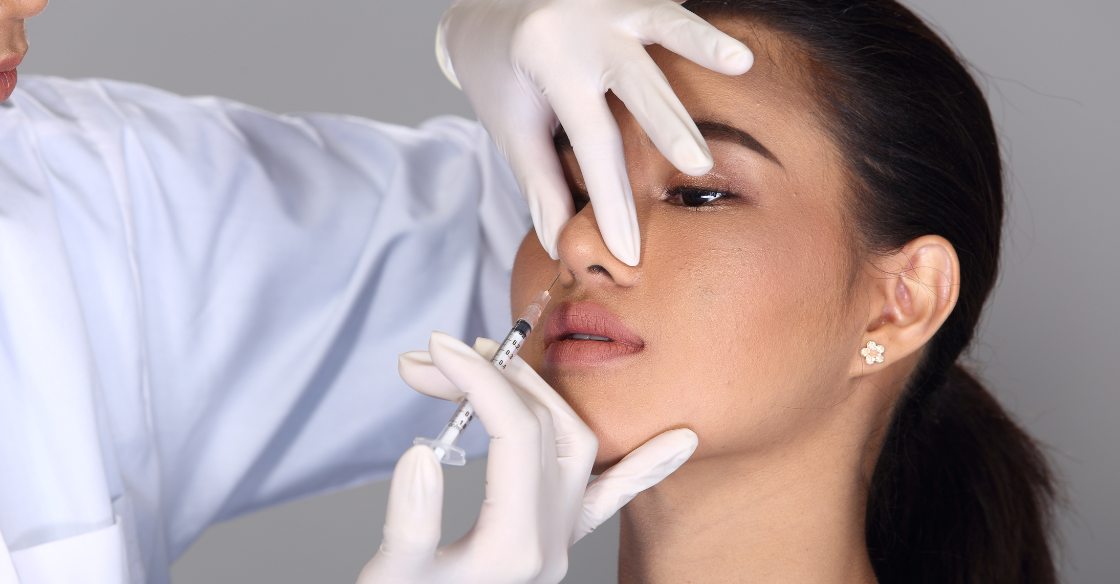
While you can choose to have the injections without numbing, those who are sensitive might receive a topical anesthetic. A sterile, ultra-fine needle is used for the injections, and discomfort is usually minimal and brief. Each injection is placed directly into the targeted muscle. The number of injections varies depending on the treatment area; larger zones may require several injection sites.
After receiving Botox, you might notice small bumps or redness at the injection sites, but these effects usually fade within a few hours. Your provider will provide specific aftercare instructions, such as avoiding lying down or massaging the treated area. Many people are able to return to their daily routines after the procedure.
Supporting Long-Term Results
Botox results do not appear instantly; you may notice a gradual reduction in lines or wrinkles within one to two days. These effects typically last between three and four months before muscle movement slowly returns. Without follow-up treatment, facial lines will gradually return to their pre-treatment appearance. Your provider will recommend a schedule for repeat treatments to help you maintain your desired appearance. Adhering to post-procedure advice helps support initial outcomes and avoid unnecessary discomfort. Avoiding strenuous exercise or exposing the treated area to intense heat, such as saunas, right after the procedure often supports results. Taking consistent care of your skin, using sunscreen, and maintaining a gentle skincare regimen can also contribute to the overall appearance and health of your skin between visits.
Visit a Dermatology Clinic
The Botox process and outcomes depend on individual factors such as skin type, muscle structure, and response to treatment. Scheduling a thorough consultation with a licensed dermatologist helps determine if this treatment fits your needs and expectations. They will review your health history, answer questions, and provide details tailored to your goals. To learn more, schedule a consultation with a dermatology clinic today.
No Comments