


03 Sep What Does a Physician Assistant Gastroenterology Specialist Do?
A physician assistant gastroenterology career can be an excellent option for PAs who want to specialize in digestive health, liver disease, outpatient medicine, hospital care, and long-term patient management.
Gastroenterology, often called GI, focuses on the digestive system. This includes the esophagus, stomach, small intestine, colon, rectum, pancreas, gallbladder, bile ducts, and liver. Gastroenterologists diagnose and treat conditions ranging from acid reflux and irritable bowel syndrome to inflammatory bowel disease, gastrointestinal bleeding, liver disease, pancreatitis, and gastrointestinal cancers.
Physician assistants are increasingly important members of gastroenterology and hepatology teams. The American Society for Gastrointestinal Endoscopy (ASGE) describes advanced practice providers, including physician assistants and nurse practitioners, as essential to expanding access to gastrointestinal care. Their work can include clinical care, patient education, triage, care coordination, and other responsibilities based on training, practice setting, physician collaboration, and state law.
A well-designed program that provides comprehensive training for physician assistants who desire a career in gastroenterology and hepatology can help bridge the gap between general PA education and the specialized knowledge required in GI practice.
This guide explains what a physician assistant in gastroenterology does, what training may be involved, which diseases and procedures are commonly encountered, how hepatology fits into GI practice, and what prospective GI PAs should consider when evaluating career opportunities.
What Is a Physician Assistant in Gastroenterology?
A physician assistant in gastroenterology is a nationally certified and state-licensed PA who provides medical care to patients with gastrointestinal and, in many practices, liver-related conditions.
The exact scope of practice varies by state, employer, healthcare organization, physician collaboration arrangements, and the PA’s education and experience. In general, PAs examine patients, obtain medical histories, develop differential diagnoses, order and interpret appropriate tests, develop treatment plans, prescribe medications when authorized, provide education, and coordinate care.
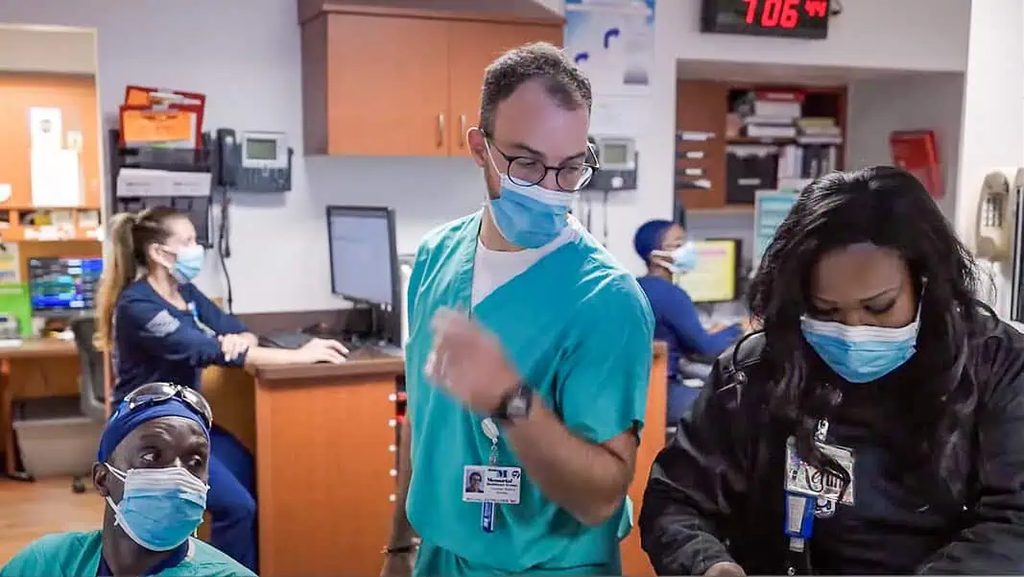
In gastroenterology, these responsibilities are applied to digestive and liver disorders.
A GI physician assistant may see patients for:
- Abdominal pain
- Nausea and vomiting
- Gastroesophageal reflux disease
- Difficulty swallowing
- Chronic diarrhea
- Constipation
- Rectal bleeding
- Anemia related to possible gastrointestinal blood loss
- Inflammatory bowel disease
- Irritable bowel syndrome
- Celiac disease
- Diverticular disease
- Colon polyps
- Abnormal liver tests
- Fatty liver disease
- Viral hepatitis
- Cirrhosis
- Pancreatic disease
- Gallbladder and biliary conditions
- Gastrointestinal cancer evaluation and follow-up
The role can look very different depending on the practice. Some PAs primarily work in outpatient clinics. Others work in hospitals, inpatient consultation services, transplant hepatology, specialty clinics, procedural areas, or a combination of settings.
Why Physician Assistants Are Important in Gastroenterology
The need for accessible specialty care continues to influence how healthcare teams are organized in the United States.
The U.S. Bureau of Labor Statistics reports that employment of physician assistants is projected to grow 21% from 2025 to 2035, with approximately 11,500 openings per year on average. The BLS identifies population aging and increasing healthcare needs as important factors behind continued demand for PAs.
Gastroenterology is particularly suited to team-based care because patients may require repeated visits, diagnostic testing, medication management, procedure preparation, follow-up, and coordination among several healthcare professionals.
A PA can help a gastroenterology practice manage these different stages of care.
For example, a patient with inflammatory bowel disease may need:
- An initial evaluation.
- Laboratory testing.
- Imaging or endoscopic evaluation.
- Medication selection.
- Monitoring for treatment response.
- Screening for medication-related complications.
- Patient education.
- Follow-up appointments.
- Coordination with nutrition, surgery, primary care, or other specialists.
A trained GI PA can contribute to many of these activities while working within the team’s established clinical structure.
ASGE’s current educational materials emphasize that successful APP integration depends on appropriate orientation, clearly defined responsibilities, communication, mentorship, and a strong APP-physician partnership.
Physician Assistant Gastroenterology vs. General Physician Assistant Practice
A PA does not need to become a physician to specialize in gastroenterology.
The basic PA pathway remains the foundation. In the United States, physician assistants typically complete an accredited master’s-level PA program and must obtain state licensure. National certification is also an important part of professional practice.
Specialization generally happens after or alongside PA education through clinical experience, focused training, mentorship, continuing medical education, and sometimes a postgraduate fellowship or fellowship-like program.
The difference is the depth of knowledge applied to a particular area.
A generalist PA may need broad knowledge across multiple organ systems. A gastroenterology PA develops greater depth in digestive and liver disorders.
For example, a GI-focused PA should become comfortable recognizing patterns associated with:
- Upper gastrointestinal disease
- Lower gastrointestinal disease
- Liver disease
- Pancreatic disorders
- Biliary disease
- GI bleeding
- Malabsorption
- Motility disorders
- Inflammatory bowel disease
- GI malignancy
- Nutritional problems
This specialization can make the PA an important resource for both patients and the broader clinical team.
What Does a Gastroenterology Physician Assistant Do?
The daily responsibilities of a gastroenterology PA depend heavily on the practice model.
Patient Evaluation
One of the most important responsibilities is evaluating patients with digestive symptoms.
The PA may take a detailed history, perform a physical examination, review previous medical records, identify risk factors, and determine which diagnostic studies may be appropriate.
A good GI history often requires more detail than simply asking where a patient has pain.
The PA may ask about:
- The location and timing of symptoms
- Relationship between symptoms and meals
- Bowel movement frequency
- Stool characteristics
- Blood in the stool
- Weight changes
- Appetite
- Swallowing difficulties
- Heartburn
- Vomiting
- Medication use
- Alcohol exposure
- Family history
- Previous gastrointestinal procedures
- Travel or infectious exposures
- Previous diagnoses
The goal is to identify clinically meaningful patterns while avoiding unnecessary testing.
Diagnosis and Differential Diagnosis
GI symptoms can have many possible causes.
For example, abdominal pain can result from gastrointestinal, hepatobiliary, pancreatic, urinary, gynecologic, vascular, metabolic, or other conditions.
A gastroenterology PA must therefore avoid assuming that every symptom is caused by a digestive disorder.
Clinical reasoning is essential.
The PA may develop a differential diagnosis and determine which conditions are more likely, which conditions are dangerous, and which tests can help distinguish between them.
Ordering and Interpreting Tests
Depending on the clinical setting and applicable rules, a GI PA may order laboratory tests, imaging studies, stool tests, or other diagnostic evaluations.
Common laboratory assessments may include:
- Complete blood count
- Comprehensive metabolic panel
- Liver enzymes
- Bilirubin
- Albumin
- Coagulation studies
- Iron studies
- Inflammatory markers
- Pancreatic enzymes
- Viral hepatitis testing
- Celiac disease testing
Other evaluations can include abdominal ultrasound, CT, MRI, specialized liver imaging, stool testing, breath testing, or gastrointestinal procedures.
The important skill is not simply knowing what a test measures. A strong GI PA must understand when a test is appropriate, how to interpret results in context, and when additional evaluation is needed.
Common Conditions Managed by a Gastroenterology PA
Gastroesophageal Reflux Disease
Gastroesophageal reflux disease, or GERD, is one of the most common gastrointestinal problems.
A GI PA may evaluate symptoms such as heartburn, regurgitation, chest discomfort related to reflux, chronic cough, or swallowing difficulties.
Management may include lifestyle counseling, medication review, assessment of warning signs, and determining whether additional evaluation is needed.
Irritable Bowel Syndrome
Irritable bowel syndrome can involve abdominal pain combined with changes in bowel habits.
Patients may experience diarrhea, constipation, or alternating symptoms.
Because many other conditions can produce similar symptoms, a PA needs to recognize when the clinical picture does not fit uncomplicated IBS.
Patient education is often a major part of care.
Inflammatory Bowel Disease
Inflammatory bowel disease includes Crohn’s disease and ulcerative colitis.
Patients may require long-term monitoring, medication management, laboratory testing, endoscopic assessment, nutritional support, and coordination with other specialists.
GI PAs can play an important role in longitudinal care because these diseases often require regular follow-up rather than a single treatment encounter.
Celiac Disease
Celiac disease is an immune-mediated condition associated with gluten exposure in susceptible individuals.
Evaluation may involve blood testing, clinical assessment, and sometimes endoscopic evaluation with biopsies.
A GI PA may also help patients understand diagnosis, follow-up, nutritional concerns, and the importance of coordinated care.
Diverticular Disease
Diverticular disease can range from uncomplicated diverticulosis to symptomatic disease and diverticulitis.
A PA may evaluate symptoms, review imaging, provide treatment recommendations within the practice model, and identify patients who need urgent physician or surgical evaluation.
GI Bleeding
Gastrointestinal bleeding is an important area of GI practice.
Symptoms can include black stools, visible blood in the stool, vomiting blood, weakness, dizziness, or anemia.
A GI PA needs to understand that GI bleeding can become an emergency.
The clinical priority is often determining the severity of bleeding, stabilizing the patient when necessary, identifying the likely source, and coordinating appropriate diagnostic and therapeutic care.
Colon Polyps and Colorectal Cancer
Colon cancer prevention and early detection are important parts of gastroenterology.
PAs may participate in screening discussions, review family history and risk factors, prepare patients for colonoscopy, discuss pathology results, and coordinate follow-up.
A PA may also help patients understand why screening recommendations differ depending on personal history and risk.
Liver Disease
Hepatology is closely connected to gastroenterology.
A physician assistant gastroenterology program that includes hepatology can prepare PAs to work with patients who have abnormal liver tests, fatty liver disease, viral hepatitis, cirrhosis, liver cancer, alcohol-associated liver disease, and other liver disorders.
The American Association for the Study of Liver Diseases notes that APPs are increasingly important members of hepatology care teams. In some settings, PAs and other APPs manage complex liver patients, coordinate transplant care, and provide longitudinal liver disease management.
The Role of a Physician Assistant in Hepatology
Hepatology focuses primarily on liver disease and related disorders.
A PA working in hepatology may evaluate patients with:
- Metabolic dysfunction-associated steatotic liver disease
- Alcohol-associated liver disease
- Viral hepatitis
- Cirrhosis
- Portal hypertension
- Ascites
- Hepatic encephalopathy
- Liver masses
- Cholestatic liver disorders
- Autoimmune liver disease
- Complications of chronic liver disease
- Liver transplant needs
The work can be complex because liver disease often affects multiple organ systems.
For example, a patient with advanced cirrhosis may have fluid accumulation, nutritional problems, medication concerns, abnormal blood clotting, kidney problems, infection risk, and cognitive changes.
A hepatology PA must therefore understand both the liver condition and the patient’s overall medical status.
AASLD’s recent educational programming specifically highlights the expanding role of APPs in multidisciplinary liver care, including opportunities in clinical care, professional development, leadership, and research.
What Training Does a Physician Assistant Need for Gastroenterology?
There is no single national pathway called “the physician assistant gastroenterology degree.”
Instead, a person generally becomes a PA first and then develops specialty expertise in gastroenterology.
The typical foundation includes:
- Undergraduate education and prerequisite coursework.
- Admission to an accredited PA program.
- Completion of PA education.
- Successful completion of the national certification process.
- State licensure.
- Employment or postgraduate specialty training.
- Ongoing specialty education.
The BLS states that PAs typically need a master’s degree from an accredited program and that all states require PAs to be licensed.
After becoming a PA, a person interested in GI can seek employment in a gastroenterology practice or pursue focused postgraduate education.
What Is a Gastroenterology PA Fellowship?
A gastroenterology PA fellowship or advanced specialty training program is designed to provide concentrated clinical experience beyond the general PA curriculum.
The exact structure varies between institutions.
A strong program may include supervised exposure to:
- Outpatient gastroenterology
- Inpatient GI consultation
- Hepatology
- Endoscopy
- GI emergencies
- Inflammatory bowel disease
- Functional and motility disorders
- GI oncology
- Pancreaticobiliary disease
- Nutrition
- Clinical documentation
- Patient education
- Evidence-based medicine
- Quality improvement
- Research
- Professional development
ASGE currently provides educational resources specifically for GI APPs and offers training addressing GI emergencies, endoscopy, clinical communication, mentorship, and specialized GI conditions.
This reflects an important point: specialty competence is built through repeated supervised experience, not simply by reading a list of diseases.
What Should a Comprehensive Physician Assistant Gastroenterology Program Teach?
A comprehensive program should ideally combine medical knowledge, clinical reasoning, practical skills, communication, and professional development.
Gastrointestinal Anatomy and Physiology
The curriculum should establish a strong understanding of:
- Esophageal function
- Gastric physiology
- Intestinal absorption
- Colonic function
- Biliary anatomy
- Pancreatic physiology
- Liver function
- GI motility
Understanding normal physiology makes abnormal findings easier to recognize.
Diagnostic Gastroenterology
PAs should learn how to approach common GI complaints systematically.
Important topics include:
- Abdominal pain
- Dysphagia
- Nausea and vomiting
- Diarrhea
- Constipation
- Rectal bleeding
- Anemia
- Abnormal liver tests
- Weight loss
- Reflux symptoms
Hepatology
A GI PA should understand basic and advanced concepts in liver medicine, including chronic liver disease, cirrhosis, portal hypertension, viral hepatitis, metabolic liver disease, and transplant medicine.
Endoscopy
Endoscopy is central to modern gastroenterology.
Gastroenterologists receive dedicated training in procedures such as upper endoscopy and colonoscopy.
Depending on the program, employer, credentials, and applicable rules, PAs may have different levels of involvement with endoscopy.
Some may focus on pre-procedure assessment and patient preparation. Others may assist with procedures or develop additional procedural skills.
ASGE’s 2026 APP education includes topics such as upper endoscopy, colonoscopy, therapeutic endoscopy, ERCP, EUS, EMR, ESD, and other advanced technologies.
The scope of hands-on procedural responsibilities should never be assumed from a job title alone.
GI Emergencies
Training should cover urgent problems such as:
- GI bleeding
- Acute pancreatitis
- Cholangitis
- Bowel obstruction
- Severe abdominal pain
- Perforation
- Severe liver complications
- Acute deterioration in patients with chronic disease
Recognizing a potentially unstable patient is just as important as understanding routine outpatient GI care.
Physician Assistant Gastroenterology Skills That Matter Most
Technical knowledge is only one part of being a successful GI PA.
Clinical Reasoning
The ability to identify the most important clinical problem is essential.
Communication
GI symptoms can be uncomfortable or difficult for patients to discuss. A professional PA should create an environment where patients feel respected and heard.
Patient Education
Patients often need simple explanations of complicated conditions.
A PA may explain why a colonoscopy is recommended, what an abnormal liver test could mean, why medication monitoring is necessary, or why additional testing is needed.
Teamwork
Gastroenterology is highly collaborative.
A PA may work with gastroenterologists, hepatologists, surgeons, nurses, pharmacists, dietitians, pathologists, radiologists, primary care clinicians, and other specialists.
Documentation
Clear documentation supports continuity of care, patient safety, communication, billing, and quality improvement.
Adaptability
GI medicine changes rapidly.
New medications, diagnostic technologies, endoscopic techniques, clinical guidelines, and evidence continue to develop.
Ongoing education is therefore part of specialty practice rather than something that ends after training.
Certification and Continuing Education for PAs
NCCPA certification is maintained through an ongoing certification process.
NCCPA states that its 10-year certification maintenance process includes five two-year cycles. During each cycle, certified PAs must earn and log 100 CME credits, including at least 50 Category 1 CME credits, along with other certification-maintenance requirements. PAs must also complete the required recertification assessment pathway by the end of the 10-year cycle.
For a GI PA, continuing education can be directed toward topics such as:
- Gastroenterology
- Hepatology
- Endoscopy
- Inflammatory bowel disease
- Liver disease
- GI oncology
- GI emergencies
- Pharmacology
- Patient safety
- Quality improvement
Professional organizations can also provide specialty-specific education and networking.
The American College of Gastroenterology has a dedicated advanced practice provider community, including recognition for PAs and NPs who contribute to clinical excellence and education in gastroenterology and hepatology.
Where Can a Gastroenterology Physician Assistant Work?
A GI PA may work in many healthcare environments.
Outpatient Gastroenterology Clinics
This is one of the most common settings.
The PA may evaluate new patients, manage established patients, review test results, adjust treatment plans, and provide follow-up care.
Hospitals
Hospital-based PAs may evaluate inpatient GI consultations, assist with urgent problems, and coordinate care between GI specialists and other hospital services.
Endoscopy Centers
Some PAs work closely with endoscopy teams.
Responsibilities may involve pre-procedure assessment, patient education, post-procedure care, or other duties defined by the organization.
Hepatology and Liver Clinics
PAs can develop specialized careers in chronic liver disease, transplant hepatology, or other liver-focused services.
AASLD profiles PAs working in both inpatient and outpatient liver care, including transplant hepatology.
Academic Medical Centers
Academic environments may provide opportunities for clinical education, research, teaching, quality improvement, and advanced specialty training.
Community Gastroenterology Practices
Community practices can offer broad exposure to common GI problems and longitudinal patient care.
Physician Assistant Gastroenterology Salary and Job Outlook
There is no single national salary specifically for gastroenterology PAs.
Compensation can vary based on geographic location, years of experience, clinical responsibilities, employer type, productivity expectations, specialty experience, and benefits.
For general PA employment, the BLS reports a median annual wage of $135,880 in May 2025. The BLS also projects 21% employment growth for physician assistants from 2025 through 2035.
These figures should not be interpreted as a guaranteed salary for a gastroenterology PA.
A person comparing job offers should consider the entire compensation package, including:
- Base salary
- Productivity incentives
- Retirement benefits
- Health insurance
- Paid time off
- CME allowance
- CME days
- Malpractice coverage
- Licensing fees
- Certification fees
- Call responsibilities
- Weekend requirements
- Relocation assistance
- Loan repayment opportunities
A higher salary is not always the best offer if the schedule, support, training, or workload is significantly less favorable.
How to Find a Gastroenterology PA Job
A prospective GI PA can use several strategies.
Search Specialty Practices
Look at hospital systems, academic medical centers, private GI practices, endoscopy centers, and liver clinics.
Network Through Professional Organizations
Specialty organizations can provide educational and professional networking opportunities.
ACG and ASGE both maintain resources for advanced practice providers working in GI.
Seek Mentorship
Mentorship can be especially valuable when entering GI because the specialty includes a large body of knowledge that may not be covered deeply in a general PA curriculum.
ASGE’s 2026 guidance emphasizes structured mentorship as an important part of professional development for GI APPs.
Ask About Orientation
A job posting may say “GI experience preferred,” but the more important question is what training the employer actually provides.
Ask whether the organization provides:
- A formal orientation
- A physician mentor
- Procedure observation
- Case review
- Dedicated educational time
- Gradual increases in responsibility
- Regular performance feedback
Questions to Ask Before Joining a GI PA Program or Job
Prospective applicants should look beyond the program title.
Useful questions include:
- How long is the specialty training?
- Is training supervised?
- How much outpatient GI exposure is provided?
- Is hepatology included?
- Is there inpatient experience?
- Is endoscopy education available?
- Who provides mentorship?
- How are clinical competencies evaluated?
- Is there protected educational time?
- Is research available?
- What happens after completion?
- Does the program lead to a specific credential or simply provide experience?
- What are the expectations for independent clinical decision-making?
- How are difficult cases reviewed?
- How is feedback provided?
These questions help distinguish a structured educational program from a position that simply expects a new PA to learn on the job.
The Difference Between Training and Independent Practice
One important point deserves special attention.
A specialty training program does not automatically expand a PA’s legal scope of practice.
A PA’s authority is affected by state law, licensing requirements, employer policies, credentialing, practice agreements or other applicable structures, and the individual’s education and competency.
Therefore, completing a GI course or fellowship does not automatically mean that a PA can independently perform every GI procedure or prescribe every medication.
This distinction is important for both employers and clinicians.
A strong program should teach PAs not only what they can do, but also when they should ask for help.
Physician Assistant Gastroenterology and Patient Safety
Patient safety should be central to GI practice.
Gastroenterology involves patients with both routine and potentially life-threatening conditions.
For example, a patient presenting with mild chronic reflux symptoms may require routine evaluation. Another patient with vomiting blood, low blood pressure, severe weakness, and anemia may require emergency care.
The PA must recognize the difference.
Safety-focused GI training should include:
- Red-flag symptoms
- Escalation protocols
- Emergency recognition
- Medication safety
- Procedure-related safety
- Infection prevention
- Documentation
- Communication during handoffs
- Appropriate physician consultation
A strong PA is not someone who tries to manage every problem alone.
A strong PA knows when a patient needs another level of care.
Technology and the Future of GI Physician Assistant Practice
Technology is changing gastroenterology.
Electronic health records, telehealth, clinical decision-support systems, advanced imaging, artificial intelligence, automated documentation, and increasingly sophisticated endoscopic technologies are changing how GI care is delivered.
However, technology does not eliminate the need for clinical judgment.
AI may help identify patterns or organize information, but a clinician still needs to determine whether the information is relevant, whether the patient is stable, and what action is appropriate.
For PAs, digital literacy is therefore becoming an important professional skill.
A future-ready GI PA should understand how to:
- Review electronic records efficiently
- Evaluate information quality
- Protect patient privacy
- Use clinical decision-support tools appropriately
- Recognize limitations of automated recommendations
- Communicate effectively through electronic systems
Technology should support clinical care rather than replace careful medical reasoning.
Research and Leadership Opportunities for GI PAs
A gastroenterology PA career does not have to remain limited to direct patient care.
Experienced PAs may become involved in:
- Clinical research
- Quality improvement
- Patient education
- Staff education
- Program development
- Practice management
- Professional committees
- Clinical leadership
- Curriculum development
- Mentorship
The professional role of GI APPs is already expanding beyond direct clinical care.
ASGE reported in 2026 that APP roles in gastroenterology increasingly include practice management, education, and research.
ACG also recognizes PAs and NPs for long-term contributions to GI and hepatology education and clinical excellence.
This suggests that experienced GI PAs can build careers in multiple directions.
Is Gastroenterology a Good Specialty for a Physician Assistant?
For the right person, gastroenterology can be a rewarding specialty.
It combines:
- Diagnostic medicine
- Chronic disease management
- Acute care
- Procedures
- Preventive medicine
- Patient education
- Pharmacology
- Liver disease
- Cancer screening
- Team-based care
The specialty also offers variety.
One day may involve managing inflammatory bowel disease. Another may involve evaluating abnormal liver tests, reviewing colonoscopy results, or helping care for a hospitalized patient with GI bleeding.
However, GI is not ideal for every PA.
The specialty can be fast-paced and medically complex. Some positions involve call, hospital coverage, procedures, or large patient volumes.
Prospective PAs should consider their preferred work style before choosing a GI career.
How to Become a Competitive Gastroenterology PA
A competitive candidate does not necessarily need years of GI experience.
Instead, applicants can demonstrate a genuine interest in the specialty and a willingness to develop expertise.
Helpful steps include:
- Build a strong foundation in internal medicine.
- Seek GI clinical rotations when possible.
- Learn common gastrointestinal diseases.
- Study liver disease.
- Become comfortable interpreting basic laboratory tests.
- Develop strong communication skills.
- Learn how endoscopy works.
- Attend GI-focused CME.
- Join relevant professional organizations.
- Find an experienced mentor.
- Participate in quality improvement or research when available.
- Maintain current PA certification requirements.
The goal is not to memorize every GI disease.
The goal is to become a safe, thoughtful clinician who can recognize common conditions, identify dangerous conditions, communicate effectively, and continue learning.
Frequently Asked Questions About Physician Assistant Gastroenterology
1. Do you need GI experience before becoming a gastroenterology PA?
No. Many PAs enter specialty practice without previous GI employment. However, GI experience, clinical rotations, focused CME, mentorship, or postgraduate training can make the transition easier. Employers differ in how much prior specialty experience they require.
2. Can a gastroenterology PA perform colonoscopies?
It depends on the PA’s training, credentials, employer, supervising or collaborating physician structure where applicable, state law, institutional policies, and demonstrated competency. A GI PA should never assume that specialty employment automatically authorizes independent performance of a procedure.
3. Can a PA specialize in hepatology instead of general gastroenterology?
Yes. Hepatology can be a major area of focus for a PA. Some PAs build careers specifically around chronic liver disease, transplant hepatology, or inpatient and outpatient liver care. AASLD recognizes APPs as important members of modern hepatology teams.
4. Is a gastroenterology PA fellowship required?
Not universally. A fellowship or structured specialty program can provide concentrated training, but many PAs enter GI through employment and receive on-the-job orientation and mentorship. The best pathway depends on the individual’s background, goals, and available opportunities.
5. What is the difference between a gastroenterologist and a gastroenterology PA?
A gastroenterologist is a physician who completes medical school, internal medicine residency, and specialized gastroenterology fellowship training. A PA completes PA education and certification and then may specialize in gastroenterology through clinical practice and additional training. Gastroenterologists and PAs can work together as part of a multidisciplinary care team.
Additional FAQ: Questions Prospective GI PAs Often Ask
What should I study before starting a gastroenterology PA position?
Focus on anatomy, physiology, internal medicine, pharmacology, common GI symptoms, liver function tests, inflammatory bowel disease, GI bleeding, pancreatitis, cirrhosis, and common endoscopic procedures. It is also useful to review current clinical guidelines rather than relying on older study materials.
Is hepatology difficult for new GI PAs?
Hepatology can be challenging because advanced liver disease affects many body systems. However, structured education and mentorship can make the learning process more manageable. New PAs should expect to build knowledge progressively rather than master every liver condition immediately.
Do GI PAs work mostly in clinics?
No. GI PAs may work in outpatient clinics, hospitals, endoscopy centers, hepatology clinics, transplant programs, academic centers, and community practices. The exact mix depends on the employer.
Can a GI PA become involved in research?
Yes. Research can be part of a PA’s career, particularly in academic medical centers and larger specialty practices. GI organizations also provide educational and professional opportunities that can support involvement in research and quality improvement.
How important is mentorship for a new GI PA?
Mentorship can be extremely valuable. Gastroenterology has a broad and specialized knowledge base, and experienced clinicians can help new PAs develop clinical judgment, procedural understanding, communication skills, and appropriate escalation habits. ASGE’s recent GI APP resources specifically emphasize structured mentorship and professional development.
Conclusion
A physician assistant gastroenterology career combines the broad medical foundation of PA practice with specialized knowledge of the digestive system and liver.
The field covers a wide range of patient needs, including common digestive symptoms, chronic gastrointestinal diseases, GI bleeding, cancer screening, inflammatory bowel disease, pancreatic and biliary disorders, and complex liver disease.
For PAs who want to enter this specialty, comprehensive training in physician assistant gastroenterology and hepatology can provide an important bridge between general PA education and specialty practice. The strongest training approach combines supervised clinical experience, evidence-based education, patient communication, procedural awareness, emergency recognition, hepatology knowledge, and ongoing mentorship.
The future also appears favorable for physician assistants as part of the broader U.S. healthcare workforce. Current BLS projections show strong overall PA employment growth, while major GI and hepatology organizations continue to emphasize the value of advanced practice providers in specialty care.
Ultimately, successful GI practice is not simply about knowing more diseases. It is about knowing how to evaluate patients carefully, recognize important warning signs, communicate clearly, work effectively with physicians and other healthcare professionals, use evidence responsibly, and keep learning throughout a career.
For a PA interested in digestive health, hepatology, procedures, chronic disease management, and team-based medicine, gastroenterology offers a broad and evolving professional path.
Sorry, the comment form is closed at this time.