


30 Aug Is GI the Correct Abbreviation for Gastroenterology?
If you have seen the term “GI” on a medical form, doctor’s note, hospital sign, or insurance document, you may have wondered what it means. In the United States, GI is one of the most common abbreviations connected with gastroenterology.
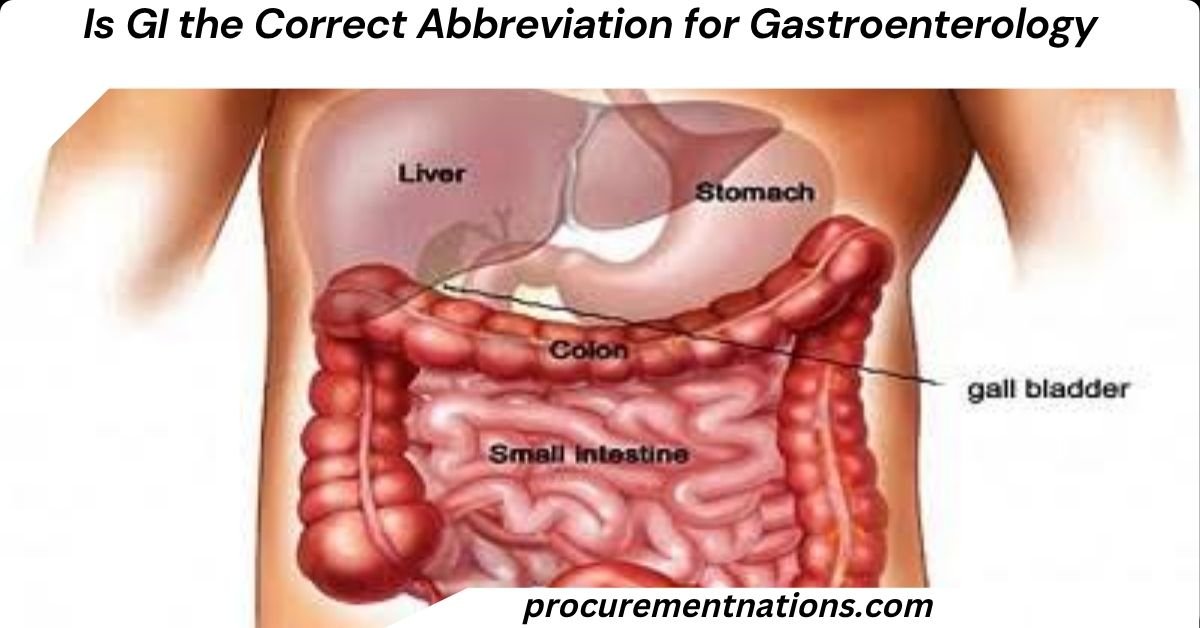
Gastroenterology is the medical specialty that focuses on the digestive system. It covers organs and structures such as the esophagus, stomach, small intestine, large intestine, liver, gallbladder, pancreas, and related digestive organs.
The phrase “abbreviation for gastroenterology” usually refers to the short forms used for the specialty itself or for gastroenterologists, the doctors who practice in this field. The most common abbreviation is “GI,” although other abbreviations may appear depending on the medical setting.
Understanding these terms can make medical records, appointment information, test results, and healthcare websites easier to understand. This guide explains the abbreviation for gastroenterology, how it is used, what a gastroenterologist does, and other common digestive-health abbreviations patients may encounter.
What Is the Abbreviation for Gastroenterology?
The most common abbreviation associated with gastroenterology is “GI.”
GI stands for gastrointestinal. It is also widely used as a short way to refer to gastroenterology or gastrointestinal medicine in everyday healthcare communication.
For example, a person may say:
- “I have a GI appointment.”
- “My doctor referred me to GI.”
- “The GI specialist ordered an endoscopy.”
- “The GI clinic called about my appointment.”
In these examples, “GI” may refer to the digestive system, the specialty of gastroenterology, or the gastroenterology department.
The exact meaning depends on the context.
A more specific abbreviation sometimes used for a gastroenterologist is “GI doctor.” Some medical offices may also use “GI specialist” or “gastroenterologist” rather than an abbreviation.
What Does Gastroenterology Mean?
Gastroenterology is a branch of medicine that focuses on the digestive system and diseases affecting it.
The digestive system breaks down food, absorbs nutrients, removes waste, and performs many other important functions. Gastroenterologists evaluate problems involving several parts of this system.
A gastroenterologist may diagnose and treat conditions involving:
- Esophagus
- Stomach
- Small intestine
- Colon
- Rectum
- Liver
- Gallbladder
- Bile ducts
- Pancreas
The specialty includes both common digestive complaints and complex medical conditions.
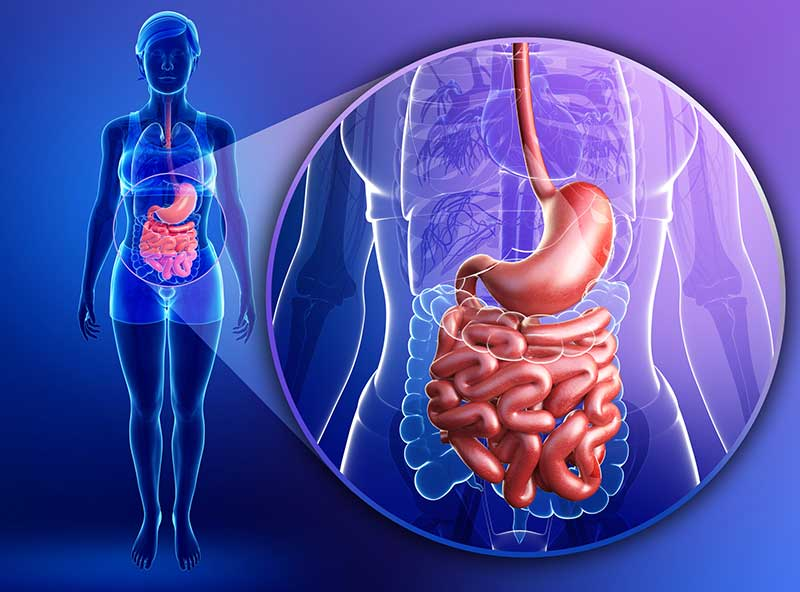
Examples include acid reflux, constipation, diarrhea, inflammatory bowel disease, gastrointestinal bleeding, liver disease, gallstones, pancreatitis, and some digestive cancers.
Why Is Gastroenterology Called GI?
The abbreviation “GI” comes from “gastrointestinal.”
“Gastro” relates to the stomach, while “intestinal” relates to the intestines. In modern medicine, however, gastrointestinal medicine covers much more than the stomach and intestines.
The term is commonly used in hospitals, clinics, medical education, insurance communications, and patient records.
For example, a hospital may have a:
- GI clinic
- GI department
- GI laboratory
- GI procedure unit
- GI specialist
This does not necessarily mean that every service concerns only the stomach or intestines. The broader digestive system may also be involved.
Is GI the Same as Gastroenterology?
GI and gastroenterology are closely related, but they are not technically identical terms.
“Gastroenterology” is the medical specialty.
“Gastrointestinal,” or GI, describes the digestive system and is also commonly used as a short name for the specialty in healthcare settings.
For example:
“Gastroenterology department” is the formal name of a medical department.
“GI department” may be the shorter name used by staff and patients.
The distinction is useful when reading medical documents, but in everyday American healthcare, the terms are often used interchangeably.
What Is a Gastroenterologist?
A gastroenterologist is a physician who specializes in diagnosing and treating diseases of the digestive system.
Gastroenterologists complete medical school and residency training before completing additional specialized training in gastroenterology.
Some gastroenterologists also receive additional training in areas such as hepatology, advanced endoscopy, or other specialized fields.
A gastroenterologist may provide care for both short-term and long-term digestive problems.
Patients may see a gastroenterologist when symptoms are persistent, complicated, or require specialized testing.
What Does a Gastroenterologist Treat?
A gastroenterologist can evaluate a wide range of digestive and liver-related conditions.
Common examples include:
Acid Reflux and GERD
Gastroesophageal reflux disease, commonly called GERD, occurs when stomach contents repeatedly flow backward into the esophagus.
Symptoms can include heartburn, regurgitation, chest discomfort, or swallowing problems.
Irritable Bowel Syndrome
Irritable bowel syndrome, or IBS, is a common condition involving abdominal pain and changes in bowel habits.
Some people experience diarrhea, while others experience constipation or alternating symptoms.
Inflammatory Bowel Disease
Inflammatory bowel disease, or IBD, includes Crohn’s disease and ulcerative colitis.
These conditions involve ongoing inflammation in the digestive tract and may require long-term medical care.
Celiac Disease
Celiac disease is an immune reaction to gluten that can damage the small intestine.
A gastroenterologist may help evaluate symptoms and confirm a diagnosis through appropriate testing.
Gallbladder Disease
Gastroenterologists may evaluate certain gallbladder and bile duct problems, although some conditions may ultimately require surgical treatment.
Pancreatitis
Pancreatitis refers to inflammation of the pancreas. It can be acute or chronic and may require urgent or specialized medical care.
Liver Disease
Gastroenterologists may also diagnose and manage many liver conditions.
Some gastroenterologists develop additional expertise in hepatology, the medical specialty focused on the liver and related organs.
Common Abbreviations Used in Gastroenterology
Learning the abbreviation for gastroenterology is useful, but patients may encounter many other digestive-health abbreviations.
Here are several common examples.
| Abbreviation | Meaning |
| GI | Gastrointestinal or commonly gastroenterology |
| GERD | Gastroesophageal reflux disease |
| IBS | Irritable bowel syndrome |
| IBD | Inflammatory bowel disease |
| EGD | Esophagogastroduodenoscopy |
| ERCP | Endoscopic retrograde cholangiopancreatography |
| MRCP | Magnetic resonance cholangiopancreatography |
| EUS | Endoscopic ultrasound |
| PEG | Percutaneous endoscopic gastrostomy |
| CBC | Complete blood count |
| LFTs | Liver function tests |
| FIT | Fecal immunochemical test |
| FOBT | Fecal occult blood test |
| UC | Ulcerative colitis |
| CD | Crohn’s disease, depending on context |
| NAFLD | Nonalcoholic fatty liver disease, an older term now often replaced by MASLD |
| MASLD | Metabolic dysfunction-associated steatotic liver disease |
Medical abbreviations can vary between organizations. A patient should not assume that every abbreviation has only one meaning.
What Does GI Mean on a Medical Referral?
If a medical referral says “GI,” it often means the patient has been referred to a gastroenterology specialist or gastroenterology clinic.
For example, a primary care doctor might write a referral for:
“GI consultation.”
This generally means the patient should see a gastroenterologist.
The reason for the referral may include symptoms such as:
- Persistent abdominal pain
- Ongoing diarrhea
- Chronic constipation
- Rectal bleeding
- Difficulty swallowing
- Persistent heartburn
- Unexplained weight loss
- Abnormal liver tests
- Suspected inflammatory bowel disease
- Need for colon cancer screening
- Follow-up of an existing digestive condition
The referral itself does not necessarily mean that a serious disease has been diagnosed.
What Does GI Mean on a Hospital Sign?
Hospitals often use “GI” as a shortened form for gastrointestinal or gastroenterology.
For example, a sign might say “GI Lab” or “GI Clinic.”
A GI lab may be an area where certain digestive procedures are performed, such as endoscopy or colonoscopy.
The exact services differ from one hospital or medical center to another.
What Is the Abbreviation for a Gastroenterologist?
There is no single universal abbreviation that must be used for “gastroenterologist.”
In everyday healthcare communication, “GI doctor” and “GI specialist” are common.
Some organizations may use internal abbreviations for physicians or departments, but these can vary.
For patients, “gastroenterologist” is usually the clearest and safest term because it avoids confusion.
If a medical record uses an unfamiliar abbreviation, ask the healthcare professional or medical office what it means.
Gastroenterologist vs. Gastroenterology
These two terms are easy to confuse.
“Gastroenterology” is the specialty.
“Gastroenterologist” is the doctor who practices that specialty.
A simple way to remember the difference is:
- Gastroenterology = medical field
- Gastroenterologist = specialist physician
For example:
“I was referred to gastroenterology.”
“I have an appointment with a gastroenterologist.”
Both statements can describe the same healthcare process from different perspectives.
What Is a GI Doctor?
A GI doctor is a gastroenterologist.
The term is informal but extremely common in the United States.
A primary care physician might tell a patient, “I want you to see a GI doctor.”
This generally means the patient should see a gastroenterologist for evaluation of a digestive-system problem.
A GI doctor is different from a general surgeon, although gastroenterologists and surgeons may work together when a condition requires both medical and surgical care.
What Tests Does a Gastroenterologist Perform?
Gastroenterologists use several types of tests and procedures.
The appropriate test depends on the patient’s symptoms, medical history, physical examination, and other findings.
Upper Endoscopy
Upper endoscopy, often called EGD, allows a doctor to examine the upper digestive tract using a flexible instrument with a camera.
It can help evaluate problems involving the esophagus, stomach, and first part of the small intestine.
Colonoscopy
A colonoscopy allows a doctor to examine the colon and rectum.
It is commonly used for colorectal cancer screening and for evaluating symptoms such as rectal bleeding or changes in bowel habits.
During a colonoscopy, doctors can sometimes remove polyps or take tissue samples for further examination.
Capsule Endoscopy
Capsule endoscopy uses a small capsule containing a camera.
The patient swallows the capsule, which travels through the digestive tract while taking images.
It may be useful for examining areas of the small intestine that can be difficult to reach with standard endoscopy.
Endoscopic Ultrasound
Endoscopic ultrasound combines endoscopy with ultrasound imaging.
It can help doctors evaluate structures near the digestive tract and may be used for certain pancreatic, bile duct, and gastrointestinal conditions.
ERCP
ERCP stands for endoscopic retrograde cholangiopancreatography.
It is a specialized procedure used to diagnose and treat certain conditions involving the bile ducts and pancreatic ducts.
Modern practice often uses less invasive imaging tests for diagnosis, while ERCP is commonly reserved for situations where an endoscopic intervention may be needed.
Why Might Someone Need a GI Specialist?
A primary care doctor may refer someone to gastroenterology for several reasons.
One reason is persistent symptoms.
For example, occasional heartburn may not require specialist care. However, ongoing or difficult-to-control symptoms may require further evaluation.
Another reason is an abnormal test result.
Blood tests, imaging studies, stool tests, or other examinations may show something that requires specialist assessment.
A person may also be referred for routine colorectal cancer screening based on age, risk factors, and current screening recommendations.
The need for a GI specialist does not automatically mean a person has a serious illness.
Specialists are often involved because they have specific training and access to specialized procedures.
When Should You Talk to a Gastroenterologist?
There is no single symptom that means everyone needs a gastroenterologist.
A primary care clinician can help determine whether specialist evaluation is appropriate.
Consider discussing persistent digestive symptoms with a healthcare professional if they interfere with daily life, continue despite basic treatment, or keep returning.
Examples include:
- Ongoing abdominal discomfort
- Persistent diarrhea
- Long-lasting constipation
- Repeated vomiting
- Difficulty swallowing
- Frequent heartburn
- Unexplained changes in bowel habits
- Blood in the stool
- Unexplained anemia
- Abnormal liver tests
- Unexplained weight loss
Some symptoms may require prompt medical attention.
For example, severe abdominal pain, significant gastrointestinal bleeding, vomiting blood, black or tarry stools, fainting, or signs of severe dehydration can require urgent evaluation.
GI Symptoms That Should Not Be Ignored
Digestive symptoms are common, and many have relatively simple explanations.
However, certain symptoms deserve medical attention.
Rectal bleeding, for example, should not automatically be assumed to be hemorrhoids.
Similarly, persistent swallowing difficulty should not simply be ignored.
Unexplained weight loss can have many causes and should be discussed with a healthcare professional.
The important point is not to diagnose yourself based on a medical abbreviation or an internet search.
Abbreviations provide labels. They do not provide a diagnosis.
How Gastroenterology Relates to Primary Care
Gastroenterologists and primary care physicians often work together.
Primary care clinicians are usually the first point of contact for many digestive symptoms.
They can:
- Review medical history
- Perform an initial examination
- Order basic tests
- Recommend initial treatment
- Decide whether specialist care is needed
A gastroenterologist can then provide more specialized evaluation when appropriate.
This team-based approach can make healthcare more efficient and help patients receive the right level of care.
Gastroenterology and Colorectal Cancer Screening
Gastroenterology is closely connected with colorectal cancer prevention and screening.
Colorectal cancer screening can help identify cancer early and can also identify precancerous growths called polyps.
Colonoscopy is one screening method, but it is not the only one.
Other screening options include certain stool-based tests.
The best screening approach depends on age, personal history, family history, risk factors, previous test results, and current medical recommendations.
People should discuss their individual screening schedule with a healthcare professional.
Common GI Terms Patients May See
Medical records can contain many terms that seem difficult at first.
Here are some common terms:
Endoscopy
Endoscopy refers broadly to procedures that use an instrument to view areas inside the body.
In gastroenterology, it often refers to examinations of the digestive tract.
Colonoscopy
A procedure used to examine the colon and rectum.
Polyp
A growth that develops from the lining of the digestive tract.
Some polyps can become cancerous over time, while others have little or no cancer risk.
Biopsy
A small tissue sample collected for examination under a microscope.
Gastritis
Inflammation of the stomach lining.
Esophagitis
Inflammation of the esophagus.
Diverticulosis
The presence of small pouches in the wall of the colon.
Diverticulitis
Inflammation or infection involving a diverticulum or diverticula.
Hemorrhoids
Swollen veins in the lower rectum or anus.
Hepatology
The branch of medicine focused on the liver and related structures.
What Is the Difference Between GI and Hepatology?
GI medicine covers the digestive system broadly.
Hepatology focuses specifically on the liver and related structures.
Many gastroenterologists treat liver conditions as part of their practice.
Some have additional specialized training in hepatology.
For example, a gastroenterologist may evaluate digestive symptoms and also manage certain liver diseases.
In more complex liver cases, a patient may be referred to a specialist with advanced hepatology expertise or a liver center.
Is GI a Medical Abbreviation or a Specialty Name?
“GI” is primarily an abbreviation related to gastrointestinal.
It is not technically the full name of the specialty.
The specialty is gastroenterology.
However, “GI” is so widely used in American healthcare that it is commonly used as a practical short form for gastroenterology services.
This is similar to how people may use “cardio” informally when talking about cardiology or cardiovascular care, although the exact meaning depends on context.
Why Medical Abbreviations Can Be Confusing
Medical abbreviations save time, but they can also create confusion.
The same abbreviation may mean different things in different medical settings.
For this reason, healthcare professionals sometimes avoid abbreviations that could be misunderstood.
Patients should never feel embarrassed about asking what a medical abbreviation means.
A simple question such as “What does GI mean here?” can prevent unnecessary worry.
How to Read “GI” in Medical Records
When you see “GI” in a medical record, look at the words around it.
For example:
“GI referral” usually means a referral to gastroenterology.
“GI symptoms” usually means gastrointestinal symptoms.
“GI bleeding” generally means bleeding somewhere in the gastrointestinal tract.
“GI procedure” means a procedure related to the digestive system.
“GI clinic” generally means a gastroenterology clinic.
Context is important.
Abbreviation for Gastroenterology in Medical Billing
Healthcare billing systems may use abbreviations, specialty labels, diagnosis codes, procedure codes, and other standardized identifiers.
A billing document may not always use the word “gastroenterology” in full.
However, patients should not try to determine a diagnosis based solely on a billing abbreviation or code.
Billing information can describe services, procedures, diagnoses, or administrative details.
If something on an insurance statement is unclear, the healthcare provider or insurance company can explain it.
SEO Search Intent Behind “Abbreviation for Gastroenterology”
People searching for “abbreviation for gastroenterology” usually have a simple informational goal.
They may be:
- Completing a crossword or word puzzle
- Reading a medical document
- Looking at a doctor referral
- Researching medical terminology
- Studying healthcare vocabulary
- Trying to understand a hospital department
- Preparing for a healthcare appointment
- Learning what “GI” means
The most useful answer for this search is usually straightforward: GI is the common abbreviation associated with gastrointestinal and is widely used for gastroenterology services.
However, understanding the difference between “GI,” “gastrointestinal,” “gastroenterology,” and “gastroenterologist” provides more useful context.
A Simple Way to Remember the Terms
A quick memory guide can make these terms easier.
“GI” = gastrointestinal / commonly used for GI medicine
“Gastroenterology” = medical specialty
“Gastroenterologist” = doctor specializing in digestive health
“Gastrointestinal tract” = digestive tract
“Gastro” = stomach-related
“Intestinal” = relating to the intestines
This simple framework can help when reading medical information.
Are Gastroenterology Abbreviations the Same Everywhere?
Not always.
Hospitals, clinics, electronic health record systems, laboratories, insurers, and medical professionals may use different abbreviations.
Some abbreviations are widely recognized, while others may be specific to an organization.
For that reason, a medical abbreviation should always be interpreted in context.
If an abbreviation affects a treatment decision or medical instruction, ask a qualified healthcare professional for clarification rather than relying on an online abbreviation list.
How Patients Can Communicate Clearly With Their GI Doctor
Good communication can make a medical appointment more useful.
Before a gastroenterology appointment, consider writing down:
- Main symptoms
- When symptoms started
- How often they occur
- Foods or activities that seem to affect symptoms
- Current medications
- Supplements
- Previous digestive tests
- Relevant family medical history
- Questions you want to ask
Bring a list of medications if possible.
It can also help to ask what each test is intended to determine and when results are expected.
Questions to Ask at a Gastroenterology Appointment
Patients may want to ask:
“What could be causing my symptoms?”
“What tests do I need?”
“What does this result mean?”
“Are there treatment options besides medication?”
“What symptoms should make me seek urgent care?”
“When should I follow up?”
“Do I need screening or repeat testing?”
“Should I change anything about my diet or daily routine?”
The best questions depend on the individual’s situation.
Digital Literacy and Searching Medical Abbreviations
Internet searches can be useful for learning basic medical vocabulary, but search results should not replace professional medical advice.
A short abbreviation can have several meanings.
For example, “GI” may refer to the gastrointestinal system, a gastroenterology department, or a gastroenterologist depending on the sentence.
Online medical content can also become outdated.
For reliable health information, look for established medical organizations, government health agencies, academic medical centers, and healthcare professionals.
Be cautious with websites that promise instant diagnoses or encourage patients to replace medical care with online advice.
Privacy and Medical Information Online
People should also think about privacy when searching for or sharing medical information online.
Avoid posting personally identifying medical records, test results, insurance information, or appointment documents on public websites.
Do not share:
- Full medical record numbers
- Insurance identification numbers
- Personal contact information
- Login credentials
- Private laboratory reports
- Unredacted medical documents
When asking questions online, remove personal information whenever possible.
Protecting medical privacy is especially important because health information can be sensitive and difficult to remove once publicly posted.
Can “GI” Mean Something Other Than Gastrointestinal?
Yes.
Like many abbreviations, “GI” can have meanings outside medicine.
In healthcare, however, GI commonly refers to gastrointestinal or gastroenterology-related care.
The surrounding words determine the intended meaning.
This is one reason context matters when interpreting abbreviations.
Why “GI” Is So Common in the United States
The abbreviation is convenient and widely understood among healthcare professionals.
The digestive system is involved in many common medical complaints, so gastrointestinal terminology appears frequently in healthcare.
Patients may encounter GI terminology in:
- Primary care offices
- Hospitals
- Urgent care centers
- Specialty clinics
- Insurance documents
- Laboratory reports
- Medical education
- Health websites
Because the term is common, learning its basic meaning can make medical communication less intimidating.
What Should You Do If You See an Unfamiliar GI Abbreviation?
First, do not assume the abbreviation means something serious.
Look at the surrounding text.
If the meaning is still unclear, ask the healthcare provider, nurse, pharmacist, or medical office.
You can also use a trusted medical reference to learn the general definition.
However, do not use an abbreviation dictionary to interpret a diagnosis or treatment instruction without professional confirmation.
The meaning of a term can depend on the specific patient and medical context.
Frequently Asked Questions About the Abbreviation for Gastroenterology
1. What is the abbreviation for gastroenterology in 2 letters?
“GI” is the common two-letter abbreviation used in healthcare for gastrointestinal and is also widely used informally to refer to gastroenterology or GI medicine.
2. What is the abbreviation for gastroenterologist?
There is no single universal abbreviation for gastroenterologist. “GI doctor” and “GI specialist” are common informal terms, while “gastroenterologist” is the clearest formal term.
3. Does GI mean stomach?
Not exactly. GI means gastrointestinal, which refers to the digestive system. The gastrointestinal system includes the esophagus, stomach, small intestine, large intestine, rectum, and related structures.
4. Is a GI doctor the same as a gastroenterologist?
Yes. In everyday American healthcare, “GI doctor” generally means gastroenterologist. A gastroenterologist is a physician who specializes in digestive-system conditions.
5. Is gastroenterology only about digestive problems?
Gastroenterology focuses broadly on the digestive system. Gastroenterologists may also evaluate and manage many liver, gallbladder, bile duct, and pancreatic conditions because these organs are closely connected with digestive health.
Conclusion
The most common abbreviation associated with gastroenterology is “GI.” It is widely used in the United States to describe gastrointestinal health and, in everyday medical communication, gastroenterology services.
Gastroenterology is the medical specialty focused on the digestive system, while a gastroenterologist is the physician who specializes in that field. Patients may encounter the abbreviation “GI” on referrals, appointment information, hospital signs, medical records, and healthcare websites.
Understanding basic terms such as GI, gastroenterology, gastroenterologist, gastrointestinal, endoscopy, and colonoscopy can make medical information easier to follow.
At the same time, abbreviations should always be interpreted in context. A short medical term does not provide a diagnosis, and unfamiliar information should be confirmed with a qualified healthcare professional.
If you see “GI” on a medical document and are unsure what it means, asking your healthcare team is usually the safest and simplest way to get an accurate explanation.
Sorry, the comment form is closed at this time.