


03 Feb What Are Enodental Implants and How Are They Used in Dentistry?
Missing teeth can affect your life, but modern dentistry offers several solutions. Enodental implants serve as artificial tooth roots and provide a stable base for replacement teeth. These implants are surgically placed into the jawbone. Over time, they fuse with the bone, forming a strong anchor for a crown or bridge.
Understanding an Enodental Implants
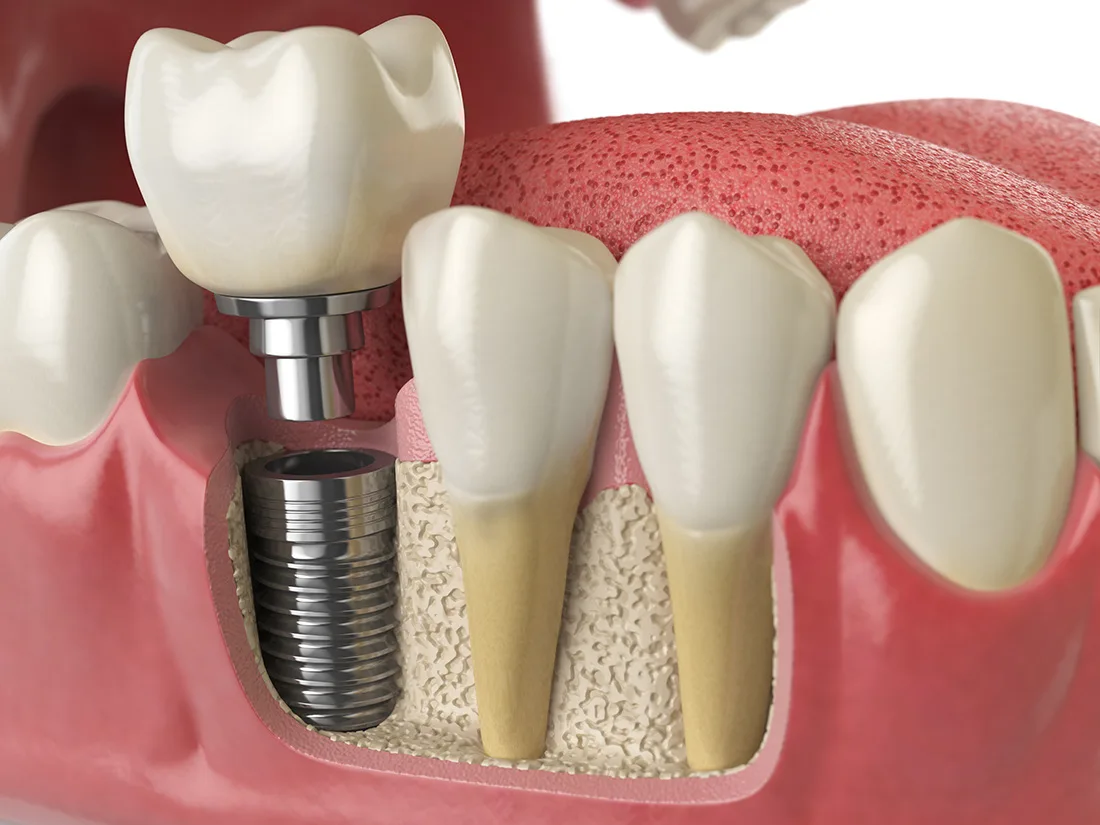
An endosseous implant is typically made of titanium, which is a material that is compatible with the human body. The implant looks like a small screw, and it replaces the root of your missing natural tooth. Because titanium is biocompatible, the jawbone accepts the implant without rejecting it. This creates a secure bond that mimics the natural stability of a tooth. Some enodental implants have a special coating to support bone integration. Different surface textures can also enhance bone attachment. There are multiple sizes available to suit the location in your mouth and the amount of available jawbone. The visible part of the tooth is called the crown, which connects to the implant via an abutment. Your abutment serves as a connector, so the final restoration looks and functions just like your natural teeth.
Explaining The Placement Process
The procedure usually involves a few appointments. The dentist places the implant into the jawbone, and then you must allow time for healing. This healing period is necessary because the bone must grow around the implant. This process, called osseointegration, makes the implant strong enough to support biting forces. Your dentist may provide a temporary tooth while you heal, so you do not have to live with a gap in your smile. Once the area has healed, your dentist attaches the abutment to the implant, then takes impressions to create your custom crown.
Benefiting Daily
Implants restore your ability to chew comfortably, so you can enjoy a varied, nutritious diet. Dentures can sometimes slip or click, but implants stay securely in place without adhesives. With endoskeletal implants, you can bite into firmer foods more easily, allowing a wider range of meal choices. With stable teeth, speaking becomes easier and clearer. You no longer have to worry about your teeth shifting while you talk or laugh. Implants also make daily oral care easier, since you can brush and floss them much like your natural teeth. This reduces the risk of gum problems.
Dental implants are designed to be durable and long-lasting. Dental implants can improve both function and appearance, and they give patients renewed smiles. With proper care and maintenance, they last for decades, making them a cost-effective solution over time compared to other restorative options that require frequent replacement. Implants also help maintain jawbone density by providing stimulation similar to natural tooth roots, preventing the bone loss that can occurs after tooth loss. This not only supports oral health but also preserves the natural contours of your face.
Take the Next Step
Consulting with a dental professional is the best way to determine if implants are right for you. You can receive personalized recommendations, or you can learn more about the process by having a consultation. Because every patient’s needs are unique, your dentist will consider your overall lifestyle before suggesting a treatment plan. They will examine your jawbone density and review your medical history to determine if you are a good candidate for the procedure. If you want to restore your smile, schedule an evaluation, as early intervention may lead to better outcomes and simpler treatment plans.
- Do Gastroenterologists Do Colonoscopies? A Complete Patient Guide
- What Is GW Gastroenterology and What Services Does It Offer?
- What Is NP Gastroenterology and What Does a Gastroenterology Nurse Practitioner Do?
- What Does Gastroenterologiczna Mean in Medical Terms?
- Is Gastro Digest Good for Everyday Digestive Support?
Sorry, the comment form is closed at this time.