


03 Feb Long-Term Outcomes of Joint Replacement
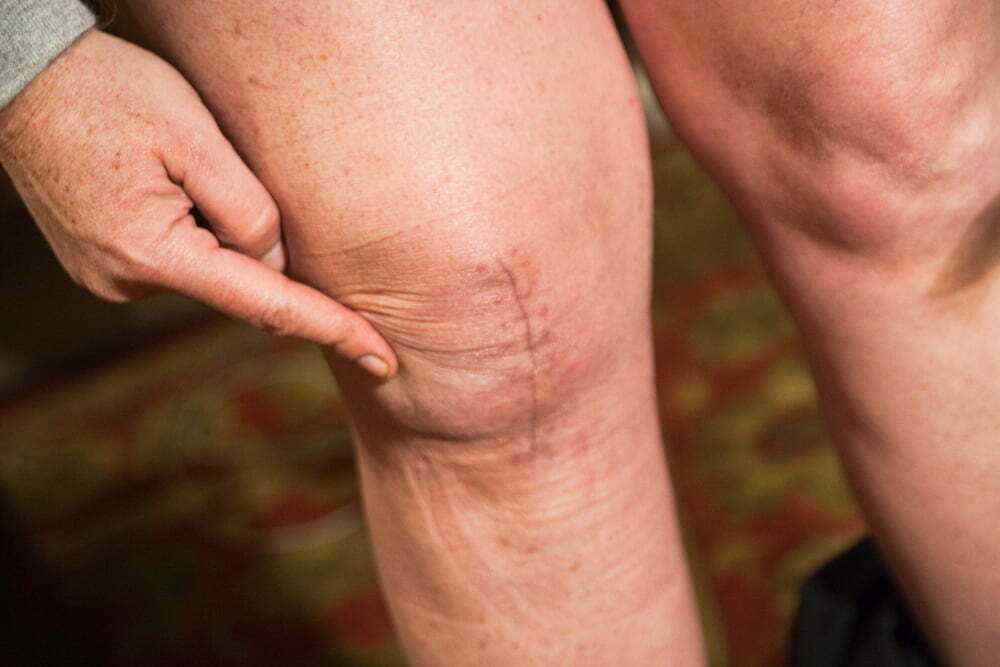
Joint replacement is a step toward improving your quality of life. Understanding what to expect years after surgery helps you make an informed decision. This orthopedics procedure removes damaged joint parts and replaces them with new ones. You may not know the benefits, so the long-term results are also a key part of the conversation.
Lifespan of a Replaced Joint
New joints are designed to be durable. They are made from strong materials like metal alloys, high-grade plastics, or ceramics. Your surgeon selects the best material based on your specific joint and lifestyle needs. Most modern joint replacements last for years, and some last longer. Several factors affect the lifespan of your implant, including activity level, weight, and overall health. Maintaining a healthy weight reduces stress on the implant, which extends its life. Regular, low-impact exercise supports joint health, but avoid high-impact activities. Your doctor will discuss options because your situation determines the best approach. Routine check-ups monitor your implant over time.
Follow your orthopedics recommendation regarding post-surgery care and physical therapy. These guidelines strengthen muscles around the implant, and they improve mobility while reducing complications. If you notice any unusual pain, swelling, or stiffness in the joint, contact your healthcare provider promptly to address the issue early. A balanced diet rich in vitamins and minerals supports joint health and the longevity of your implant. Because staying proactive helps you maintain a better quality of life, you can receive the maximum possible benefits of joint replacement when informed.
Activity and Lifestyle After Recovery
Your lifestyle will change after joint replacement surgery. You may return to many low-impact activities. These activities include walking, swimming, and cycling, which are excellent for staying active. Activities like golf or doubles tennis are also options. Your physical therapist helps you regain strength and mobility safely after your procedure. Although high-impact sports are often discouraged, you can still lead a full life while protecting your new joint. Activities such as running or basketball place more stress on implants, so they are generally not recommended. Your surgeon provides specific guidelines to clarify which activities are safe for your recovery and long-term joint health. Following these recommendations is key to protecting your new joint.
Advancements in Joint Orthopedics
Surgical techniques continue to improve, and these advancements can lead to better long-term patient outcomes. New technologies enhance surgical precision, improving implant alignment and function. This precision helps the new joint feel more natural. Procedures like partial joint replacement preserve more of your natural bone, which is helpful when a smaller area is damaged. This approach is common for knees. For shoulder issues, a reverse total shoulder replacement is an option when the rotator cuff is also damaged. This procedure allows other muscles to lift the arm, restoring function when other options would not. These modern approaches offer tailored solutions for procedures that fit your unique needs.
Schedule a Consultation Today
You may have several treatment options available, and your doctor will help you determine which one is best. Because every patient’s circumstances are unique, your joint replacement options will depend on your medical history and personal goals. A consultation provides personalized information about what joint replacement means for you. Make an appointment today.
- Do Gastroenterologists Do Colonoscopies? A Complete Patient Guide
- What Is GW Gastroenterology and What Services Does It Offer?
- What Is NP Gastroenterology and What Does a Gastroenterology Nurse Practitioner Do?
- What Does Gastroenterologiczna Mean in Medical Terms?
- Is Gastro Digest Good for Everyday Digestive Support?
Sorry, the comment form is closed at this time.