


23 Jan How Do I Know if I Have Cataracts?
Cataracts are a common eye condition that occurs when the natural lens of the eye becomes cloudy, often leading to gradual changes in vision over time. Recognizing the warning signs is key for timely evaluation and treatment planning, as early symptoms can be subtle and easily mistaken for normal aging or the need for a new glasses prescription. Here is more information on how to know if you have cataracts:
Recognizing Cataract Symptoms
The primary sign of cataracts is a distinct change in how you perceive the world around you. You may experience cloudy vision, making it seem as if you are viewing your surroundings through a frosty or fogged-up window. This prevents the lens from focusing light clearly, leading to a gradual decrease in visual acuity.
Blurry vision is another frequent complaint, and it often makes routine tasks like reading or driving difficult. You may find yourself constantly cleaning your glasses, thinking they are dirty, only to realize the blur is in your eye. Some people may notice that bright colors look faded or yellowed over time because the cataract acts like a yellow filter.
Identifying Risk Factors
While many people associate cataracts solely with aging, several factors can increase your risk. The proteins in your lens naturally clump together as you age, but other health conditions can speed up this process. Here are specific groups doctors have identified who should monitor eye health more closely:
- Individuals over age 60: Aging is a common cause of protein clumping within the lens.
- People with diabetes: High blood sugar levels can damage the lens, leading to secondary cataracts.
- Smokers: Those with a history of smoking may develop symptoms much earlier than non-smokers.
- Trauma victims: Anyone who has suffered a significant eye injury could develop traumatic cataracts years later.
- Cancer patients: Patients who have undergone radiation treatment are at risk for radiation cataracts.
- Babies with congenital conditions: Some infants are born with congenital cataracts, though these may be tiny and not affect vision immediately.
Understanding these risk factors helps with early detection and effective management of your eye health.
Diagnosing Cataracts
You cannot diagnose a cataract on your own, so a comprehensive eye exam is fundamental. An eye doctor uses specialized tools to examine the lens and other parts of your eye to rule out other issues. Here are some of the tests eye doctors use to diagnose cataract:
- Visual Acuity Test: This measures how well you see at various distances using a standard eye chart.
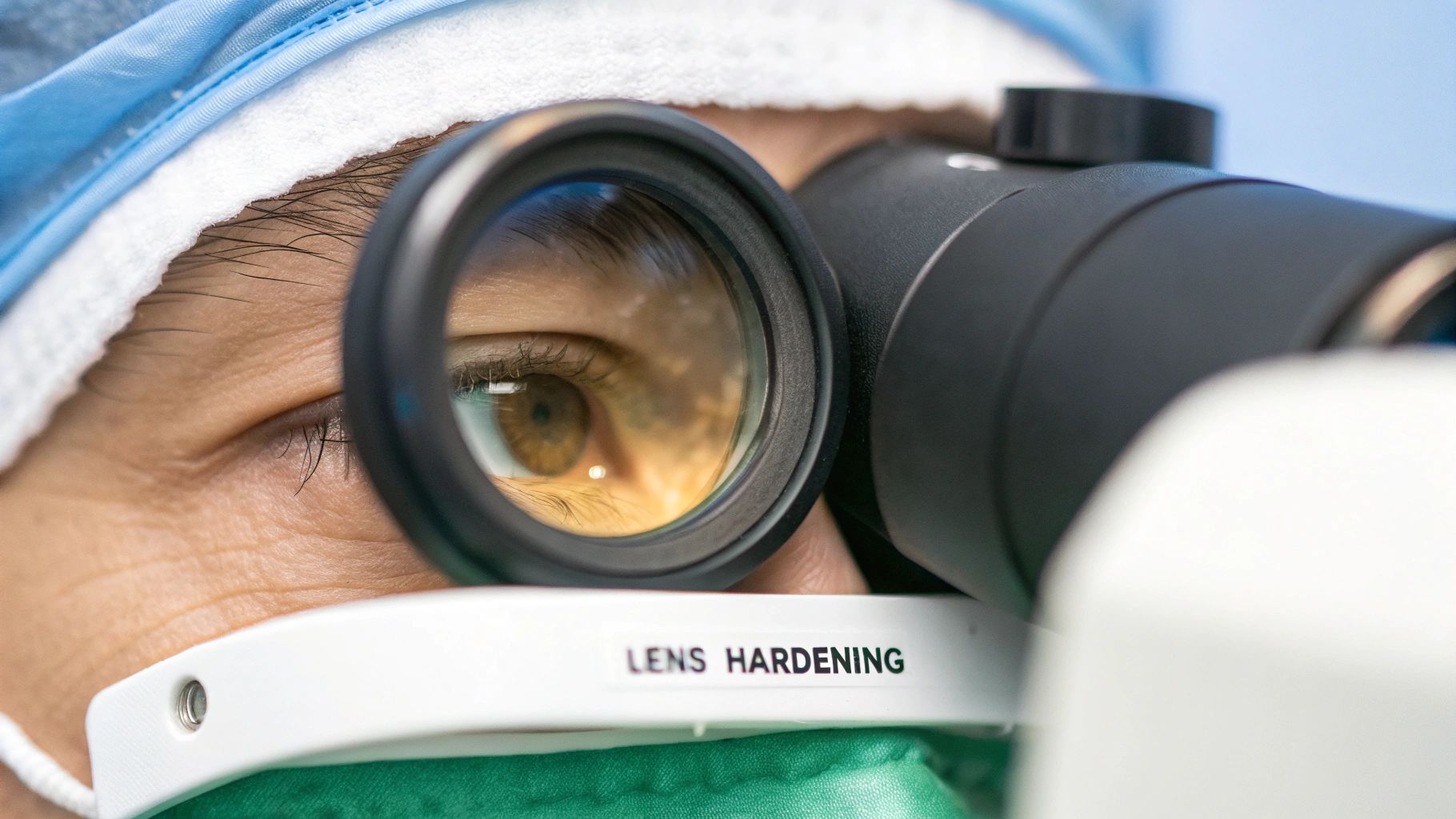
- Slit-Lamp Examination: The doctor uses a special microscope with a bright light to see the structures at the front of your eye under high magnification.
- Retinal Exam: Drops are used to dilate your pupils, allowing the doctor to see the back of the eye and the retina clearly.
These tests allow the doctor to determine the type and severity of the cataract, which helps create a treatment plan.
Getting Help and Treatment
If your cataracts are in the early stages, new prescription glasses may be enough to temporarily improve your vision. Surgery is the only way to remove the cloudy lens and restore clear vision. Your doctor will recommend surgery only when the vision loss starts to interfere with your daily activities or well-being. During the procedure, the surgeon removes the natural, clouded lens and replaces it with a clear artificial one. Make sure you understand the recovery process and risks before scheduling the operation.
Book Your Cataracts Appointment Today
Cataract surgery is an effective procedure to restore vision impacted by cloudy lenses. During the surgery, the natural lens is replaced with a clear artificial one, significantly improving visual clarity and well-being. Understanding the recovery process and addressing any concerns beforehand is key to supporting a smooth and successful outcome. Contact a qualified ophthalmologist near you to book your appointment for cataract evaluation today.
- Do Gastroenterologists Do Colonoscopies? A Complete Patient Guide
- What Is GW Gastroenterology and What Services Does It Offer?
- What Is NP Gastroenterology and What Does a Gastroenterology Nurse Practitioner Do?
- What Does Gastroenterologiczna Mean in Medical Terms?
- Is Gastro Digest Good for Everyday Digestive Support?
Sorry, the comment form is closed at this time.