


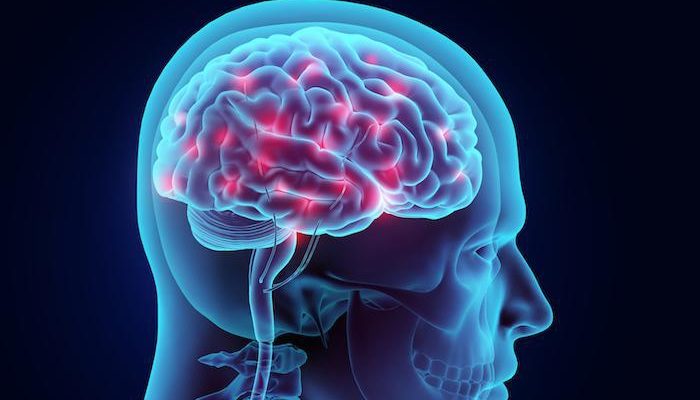
22 Jan The Connection Between Brain Surgery and Epilepsy Treatment
Epilepsy is a complex neurological disorder that affects the central nervous system, causing abnormal brain activity. For some patients, medication effectively manages seizures, but others may find that drug therapy provides insufficient relief. In cases where seizures originate in a specific area of the brain, surgical intervention becomes a viable option. Understanding the relationship between epilepsy and brain surgery helps patients make informed decisions about their health.
What Is Epilepsy?
Epilepsy is a chronic noncommunicable disease of the brain that affects people of all ages; it is characterized by recurrent seizures and brief episodes of involuntary movement involving a part or the entire body. These episodes are sometimes accompanied by loss of consciousness and by loss of control of bowel or bladder function. Brain surgery is an option for those whose seizures are not controlled by anti-seizure drugs.
What Causes It?
The underlying cause of epilepsy is not always identifiable in every patient. In up to 70% of cases, the cause remains unknown, though several factors are linked to the condition. Brain damage from prenatal or perinatal causes, such as a loss of oxygen or trauma during birth, can lead to epilepsy.
Congenital abnormalities or genetic conditions with associated brain malformations are other potential causes. A severe head injury, a stroke that restricts the amount of oxygen to the brain, or an infection of the brain, such as meningitis or encephalitis, can also trigger the disorder. Certain genetic syndromes are associated with epilepsy, and determining the cause helps healthcare professionals develop a treatment plan.
What Are the Symptoms?
Because epilepsy is caused by abnormal activity in the brain, seizures can affect any process your brain coordinates. Signs and symptoms of seizures include temporary confusion, a staring spell, stiff muscles, or uncontrollable jerking movements of the arms and legs. Symptoms vary depending on the type of seizure, and doctors generally classify seizures as either focal or generalized, based on how the abnormal brain activity begins.
Focal seizures result from abnormal activity in just one area of your brain. These seizures fall into two categories: focal seizures without loss of consciousness and focal dyscognitive seizures. Generalized seizures involve all areas of the brain, and they include six types: absence, tonic, atonic, clonic, myoclonic, and tonic-clonic.
What Is Brain Surgery?
Brain surgery involves a procedure to treat problems in the brain and surrounding structures. In the context of epilepsy, the goal is to remove or alter the specific area of the brain where seizures originate. This is typically evaluated when seizures are focal; this means they always start in a single spot in the brain.
Surgeons use various techniques depending on the type and location of the seizures. Before surgery is approved, extensive testing is required. This may include EEG monitoring, MRI scans, and invasive monitoring to pinpoint the exact source of the seizure activity. The medical team carefully evaluates these results, and this helps them predict the likelihood of surgical success.
How Can Surgery Help?
The primary objective of epilepsy surgery is to stop seizures or reduce their frequency. For some patients with drug-resistant epilepsy, surgery offers a chance for complete seizure freedom. This can lead to substantial improvements in quality of life, and this allows individuals to regain independence. Surgery can also reduce the risk of seizure-related complications, such as falls.
Seek Treatment Today
Epilepsy is a manageable condition, and exploring various treatment avenues is beneficial for long-term health. If medication has not provided the desired control over seizures, surgical options may offer relief. Consult with a specialist to clarify whether brain surgery is a suitable intervention for your specific case.
- Do Gastroenterologists Do Colonoscopies? A Complete Patient Guide
- What Is GW Gastroenterology and What Services Does It Offer?
- What Is NP Gastroenterology and What Does a Gastroenterology Nurse Practitioner Do?
- What Does Gastroenterologiczna Mean in Medical Terms?
- Is Gastro Digest Good for Everyday Digestive Support?
Sorry, the comment form is closed at this time.