


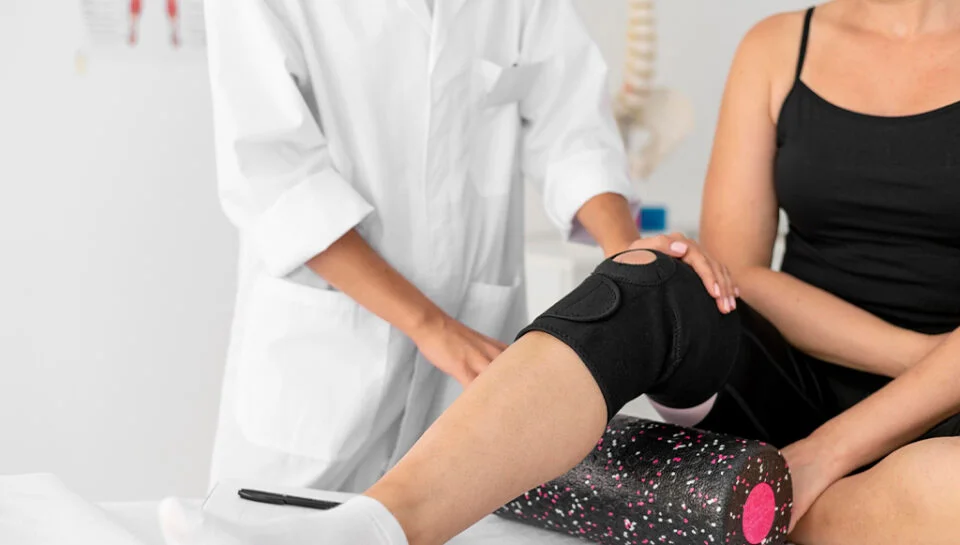
13 Jan Surgical and Non-Surgical Treatment Options for Knee Pain
Knee discomfort can limit mobility and interfere with everyday activities. Knee pain treatment includes a range of surgical and non-surgical options to address the underlying cause of pain and restore joint function. Here’s a closer look at the available treatment approaches for knee pain:
Trying Non-Surgical Treatments
Doctors often recommend starting with conservative knee pain treatment methods before moving on to invasive procedures. These initial steps focus on reducing inflammation and restoring function through non-invasive means. Here are some non-surgical treatment options specialists may recommend:
- Physical Therapy and Exercise: Physical therapists design specific exercise routines to improve range of motion and stability, which often alleviates stress on the knee.
- Medication and Injections: Oral medications help manage inflammation and pain levels, and corticosteroid injections provide temporary but significant relief.
- Home Care and Activity Modification: Modifying daily activities to avoid high-impact movements allows the damaged tissues time to heal without further strain.
These methods are often effective for mild to moderate knee pain and provide necessary relief for many patients.
Recognizing Treatment Limits
Conservative knee pain management does not always solve the underlying issue. If pain persists for six months or longer, it may indicate a more serious condition, such as arthritis or a chronic injury. You should seek a diagnostic evaluation if rest and medication fail to improve your symptoms.
Chronic pain that worsens despite home care serves as a warning sign that the joint requires professional attention. A specialist uses advanced imaging technology to assess the joint’s structural integrity and identify the root cause. This step is fundamental for determining if the damage is severe enough to require aggressive intervention.
Exploring Surgical Options
Orthopedic surgeons perform various knee pain treatment procedures to address severe damage or degenerative disease. Arthroscopy is a procedure in which surgeons use small incisions and a camera to visualize the inside of the joint. This approach enables the medical team to repair or remove damaged tissues, such as a torn meniscus or cartilage damage. Total or partial knee replacement is a key option for patients with severe damage, particularly from osteoarthritis. During this procedure, the surgeon removes the damaged bone and cartilage and replaces them with artificial devices. This restores knee function and significantly reduces pain in individuals with reduced mobility.
Choosing the Right Treatment
Selecting the appropriate course of action requires a thorough evaluation of several individual factors. Your provider will review the following elements to design a personalized plan for knee pain:
- Severity of the Condition: The extent of damage to bones or soft tissues determines the required level of intervention.
- Duration of Symptoms: Acute injuries may heal with rest, but chronic pain lasting over six months usually signals a need for advanced care.
- Lifestyle and Physical Goals: Your specific goals for mobility and activity level influence the choice between surgical and non-surgical options.
Discussing these specific factors with an orthopedic specialist helps determine the most effective recovery approach.
Get Knee Pain Treatment Today
Knee pain treatment requires a personalized approach that evaluates various factors. These include the severity of your symptoms, the duration of the discomfort, and your individual lifestyle and mobility goals. Contact an orthopedic specialist near you to schedule your consultation and explore available treatment options for knee pain.
- Do Gastroenterologists Do Colonoscopies? A Complete Patient Guide
- What Is GW Gastroenterology and What Services Does It Offer?
- What Is NP Gastroenterology and What Does a Gastroenterology Nurse Practitioner Do?
- What Does Gastroenterologiczna Mean in Medical Terms?
- Is Gastro Digest Good for Everyday Digestive Support?
Sorry, the comment form is closed at this time.