


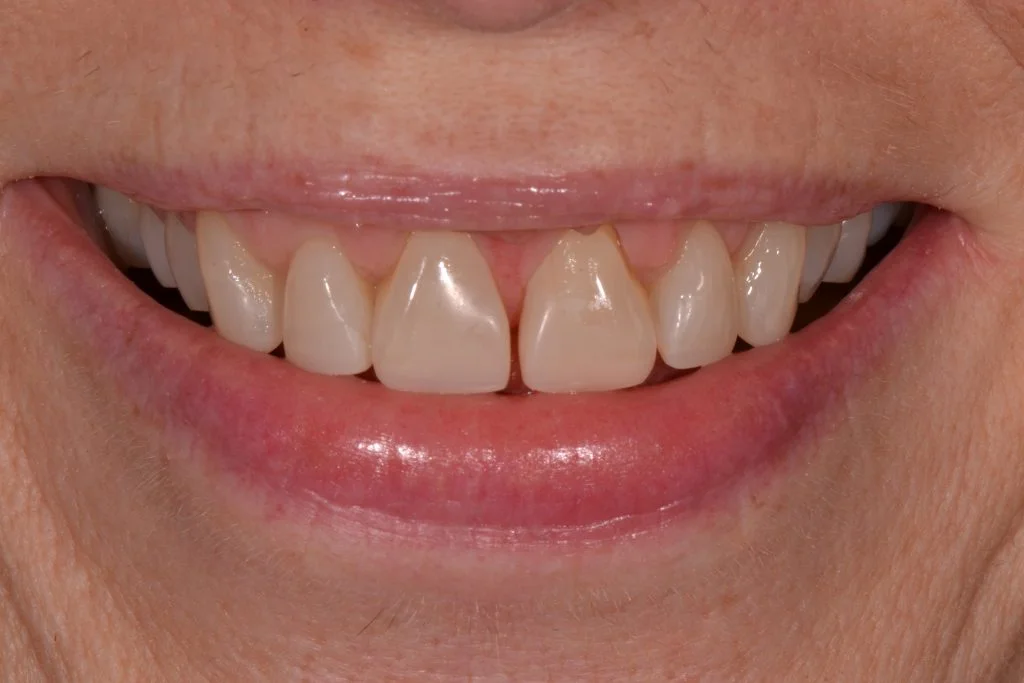
21 Oct The Role of Dental Bonding in Cosmetic Dentistry
Cosmetic dentistry offers various treatments to improve the appearance of a person’s smile. Among these options, dental bonding presents a distinct approach. While teeth whitening addresses discoloration and aligners correct misalignment, bonding provides a solution for modifying the shape, size, and surface of teeth. This procedure is often reversible and is completed in a single office visit, making it a common choice for addressing specific aesthetic concerns.
What Is Dental Bonding?
Dental bonding is a cosmetic procedure that involves the application of a tooth-colored composite resin material to a tooth’s surface. A dentist sculpts this resin to create a desired shape, enhance color, or repair minor damage. The material is a durable plastic compound that can be meticulously matched to the shade of the patient’s natural teeth, allowing it to blend seamlessly with the rest of the smile.
This technique is widely used in cosmetic dentistry because it is a conservative treatment. The process typically requires minimal alteration of the original tooth enamel. Unlike procedures that necessitate significant removal of the tooth structure, bonding preserves the integrity of the natural tooth. This makes it an appealing option for individuals seeking cosmetic improvements without permanent changes to their teeth.
What Does It Address?
Dental bonding is versatile and can be used to correct a range of aesthetic imperfections. Patients often seek this treatment to repair minor chips or small cracks that affect the appearance of their teeth. It is also a choice for masking discoloration that does not respond well to traditional whitening treatments, providing a uniform and brightened look.
The procedure can be used to close small gaps between teeth, creating a more even and harmonious smile line. A dentist can apply the resin to alter the shape of a tooth, addressing issues like teeth that appear too short. While the composite resin materials are the same as those used in some restorative contexts, such as filling small cavities or covering exposed tooth roots, the primary purpose of cosmetic bonding is to enhance the visual appeal of the smile.
What Does the Process Entail?
The dental bonding process is a highly customized procedure. It begins with a consultation where the dentist assesses the patient’s teeth and discusses their aesthetic goals. The next step is shade matching, where the dentist selects a composite resin color that closely matches the patient’s natural teeth.
Following shade selection, the tooth surface is prepared. This involves lightly roughening the enamel and applying a conditioning liquid, which helps the resin adhere securely. The dentist then applies the tooth-colored resin in layers. A special curing light is used to harden the resin after each layer is applied.
Once the final layer is hardened, the dentist will further trim, shape, and polish the bonded tooth. This final stage refines the restoration, making it smooth and giving it a natural-looking luster that matches the surrounding teeth. After the procedure, the dentist provides guidance for maintaining the bonded teeth.
Seek Professional Cosmetic Dentistry
A discussion with a qualified dentist can provide personalized information regarding the suitability of dental bonding. A professional consultation allows a practitioner to assess your specific dental condition and explain what results you might realistically expect. The longevity of dental bonding and potential alternative treatments, such as porcelain veneers or orthodontic solutions, can also be discussed.
- Do Gastroenterologists Do Colonoscopies? A Complete Patient Guide
- What Is GW Gastroenterology and What Services Does It Offer?
- What Is NP Gastroenterology and What Does a Gastroenterology Nurse Practitioner Do?
- What Does Gastroenterologiczna Mean in Medical Terms?
- Is Gastro Digest Good for Everyday Digestive Support?
Sorry, the comment form is closed at this time.